
What Pasadena's Housing Stock Means for Your Garage Door
Pasadena homes built 1956-2010 face mild-freeze swings and original hardware.
Read moreMost Pasadena garage doors run openers installed when the house was built, 1956-2010. Here's what that age and this area's mild-with-freeze climate do to openers during power cuts.
Local detail
Pasadena homes were mostly built between 1956 and 2010, with the median landing around 1984, and across the 23 named areas in this service territory the heaviest run is 1980s-90s construction. That means a lot of openers out there are either original to the house or a straight swap for whatever was there in the 90s - chain-drive units with no battery backup, because battery backup units weren't standard equipment back then. When the power goes out, those openers stop cold. No backup, no auto-reverse self-test, nothing. The homeowner is stuck pulling the manual release cord and lifting a 150-pound door by hand, often for the first time ever, often not knowing where the release handle even is. This isn't a flaw in your specific opener - it's just what an opener from that era does when the grid drops. The fix isn't always a new motor. Sometimes it's a battery backup unit retrofitted onto what you've got, which costs less than replacement and keeps the door working through a short outage.
The area
This area sits in a mild climate band with occasional freeze, not a hard-winter market, so the seasonal story is different from what you'd read on a northern site. Summer humidity and heat put steady stress on belt and chain tension, and on older 1980s-90s drive systems the nylon gears wear faster than people expect because they were never built for 40 years of service. Power cuts tend to cluster around storm season, and that's exactly when an opener without backup leaves you locked out of the garage at the worst time. The occasional freeze events matter less for the motor and more for the sensors - a cold snap can tighten up old photo-eye wiring and cause intermittent faults that look like a broken opener but are really just a loose, aged connection flexing in the cold. Spring and fall are the slow seasons for failures here, which makes them the right time to get an opener checked before the next heat run or the next cold snap exposes whatever's already marginal.
What we find
Mild-with-occasional-freeze is a specific profile, not generic weather. It means your opener isn't fighting deep winter, but it is fighting humidity swings that work moisture into motor housings and limit switches over decades, especially in houses built before openers came with any weather sealing on the logic board. On a median-1984 house, that's forty years of humidity cycling through the same unit if nobody's replaced it. Add a power cut on top of that and you get the failure mode we see most: the opener loses power mid-cycle, the door sits half open, and when power comes back the opener doesn't recover cleanly because the travel limits were already drifting from age. A newer opener handles a power blip by resuming where it left off. A 1990s chain-drive unit often just locks up and needs a manual reset at the wall button. None of this is a weather disaster - it's wear, accelerated by humidity, exposed by an outage.
How we work
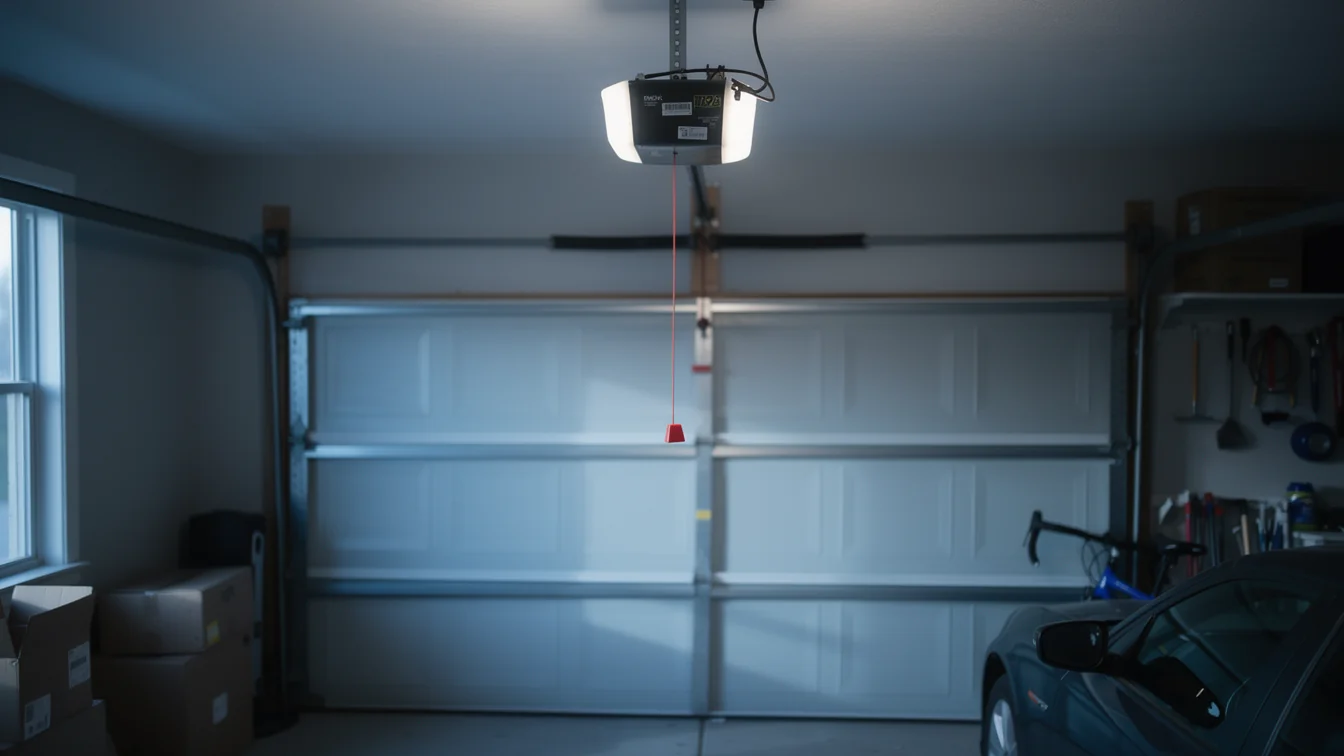
Start with the manual release - pull the red cord with the door closed and make sure it disengages smoothly, because that's your only way into the garage during a power cut if you don't have a backup battery. Check whether your opener has a battery backup at all; if the house dates to the 1980s-90s run common in this area, odds are it doesn't. Look at the wall unit for a battery indicator light - green usually means charged, no light usually means none installed. Test the photo-eye sensors by waving a hand across the beam near the floor; if the door doesn't reverse, that's a safety issue to fix before anything else. Listen for grinding on the chain or belt, which on a decades-old unit usually means the gear inside the motor housing is going. One honest limit: if the opener motor itself has failed, we don't rebuild those - by the time the motor's gone, a new unit with battery backup costs about the same as parts and labor to chase a dying one.
Questions
If your house falls in the common 1980s-90s build range for this area and the opener hasn't been replaced, it almost certainly doesn't have one now. A backup battery lets the door still open and close during a power cut instead of leaving you stuck pulling the manual release. It's a retrofit option on most openers, not just new installs.
Older chain-drive openers, common in houses built in the 1980s and 90s median-era stock here, don't always recover cleanly from a power interruption. The travel limits can drift, especially if the unit's already decades old, and it may need a manual reset at the wall control rather than just resuming on its own.
Yes, over time. This area's mild climate with occasional freeze means steady humidity cycling rather than deep cold, and that moisture works into motor housings and sensor wiring over decades. On a house near the median 1984 build year, that's a long run of exposure if the opener's never been swapped.
Recommendation
More garage door guides for Pasadena homeowners.
Pasadena homes built 1956-2010 face mild-freeze swings and original hardware.
Read more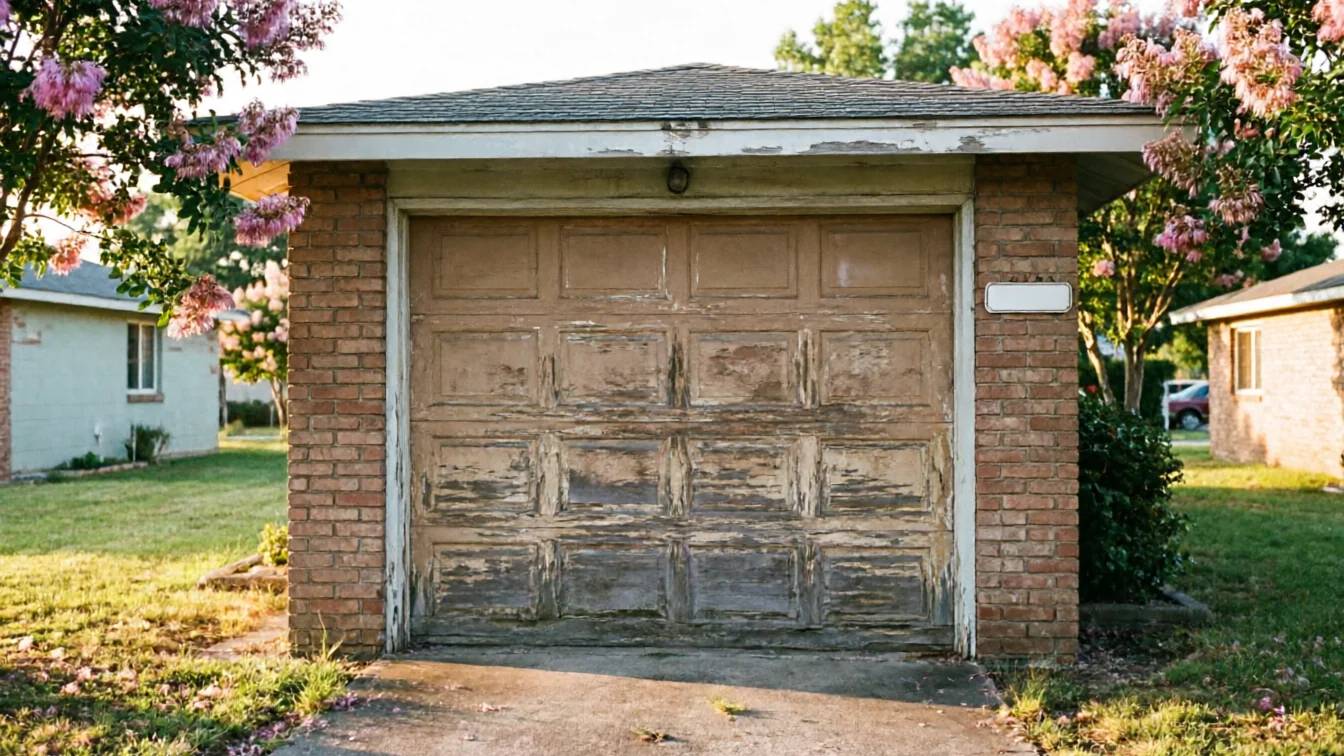
Most Pasadena houses date 1956-2010, median 1984, which means a lot of original doors and openers still out there.
Read more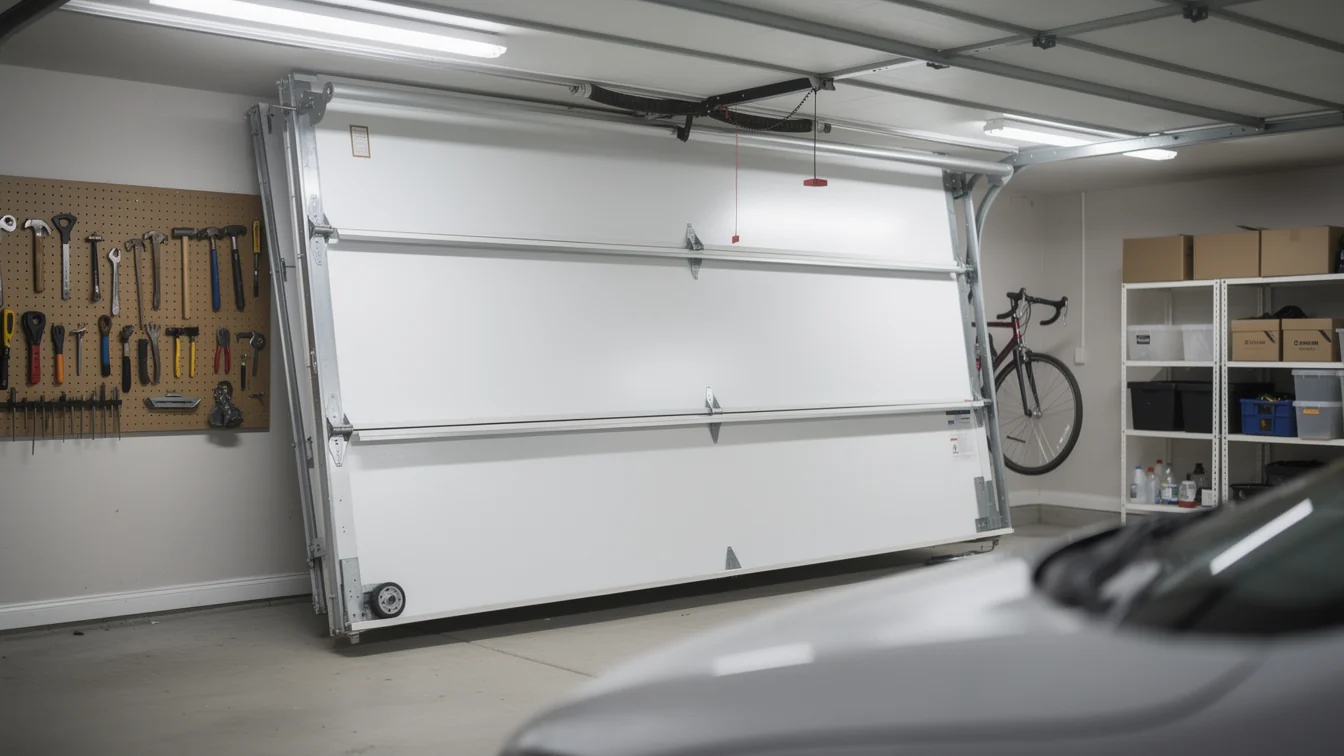
Pasadena homes built from 1956 to 2010 carry original track hardware that loosens with age.
Read moreReady when you are
Pasadena Garage Door Pros repairs and installs garage doors, springs and openers in Pasadena, TX and the surrounding area.