Doing It Yourself
A pre-hung door kit from a big box store looks like a weekend project, and for a simple panel swap on a standard opening, it can be.
Opening dimensions vary
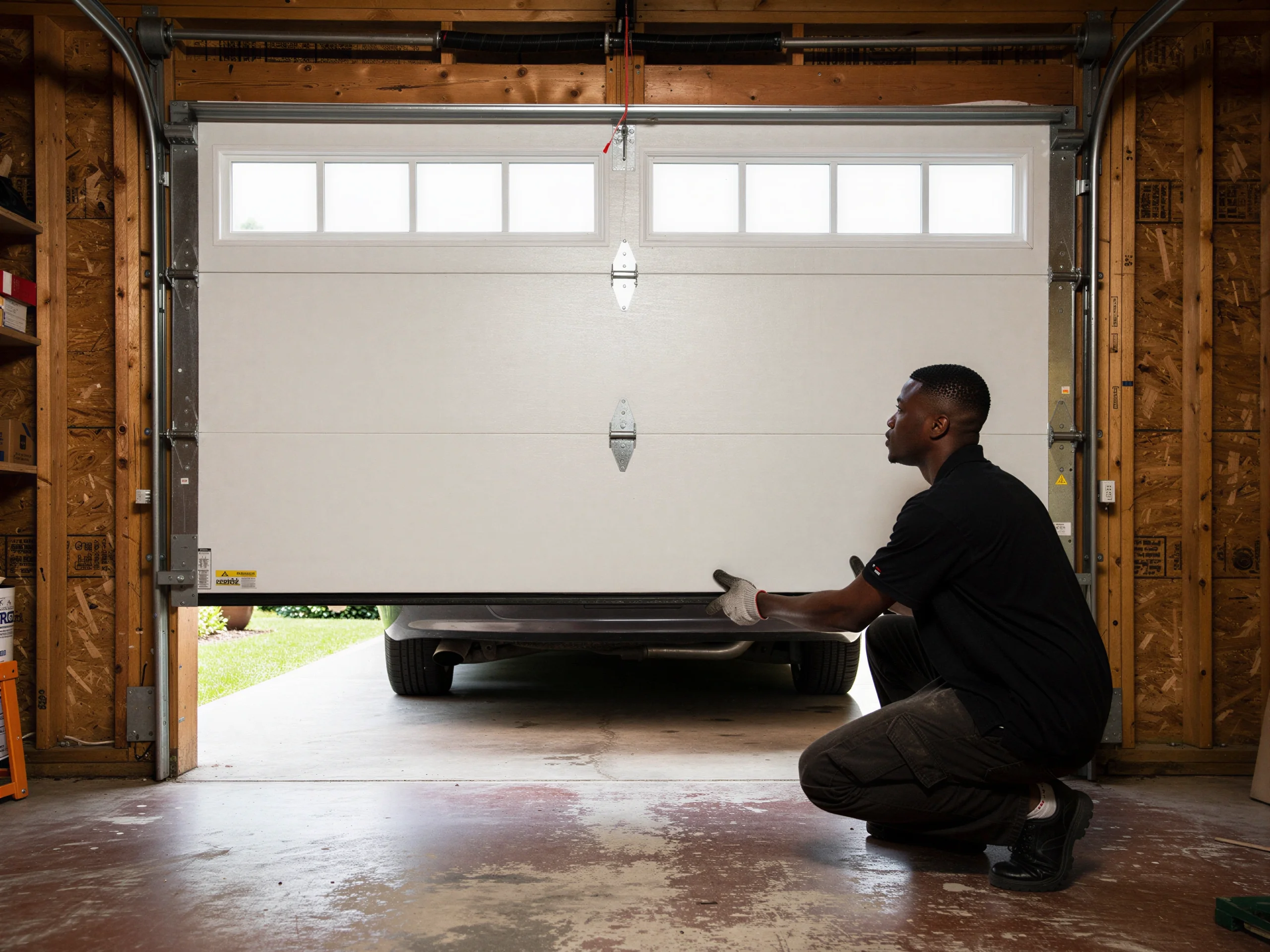
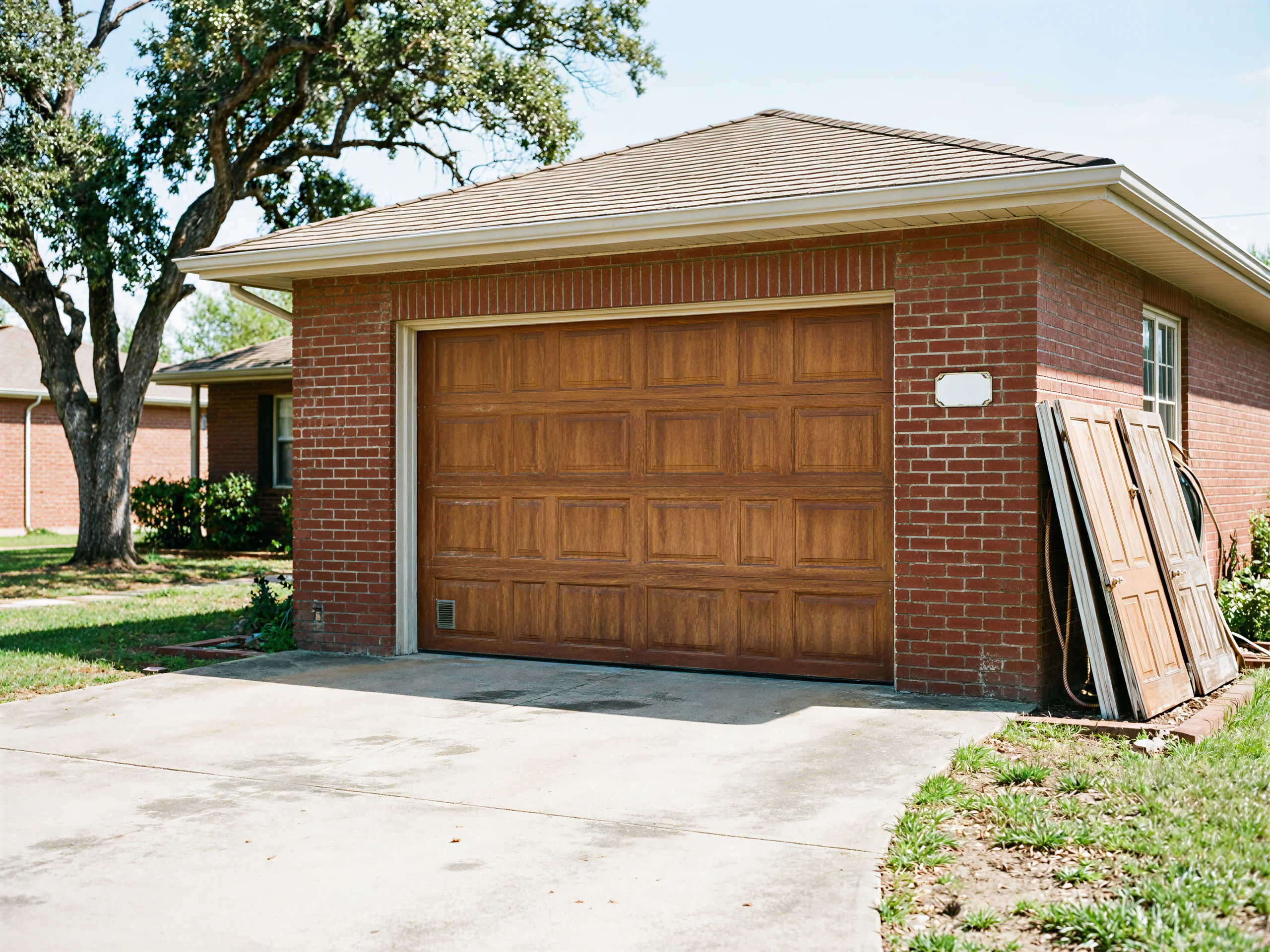
The trouble is the opening itself. Houses in this service area went up anywhere from 1956 to 2010, so framing isn't uniform - openings can be off by an inch or two in width, height, or header clearance, and a door that isn't shimmed and squared to the actual opening will bind on the track within a season.
Single-car DIY hanging
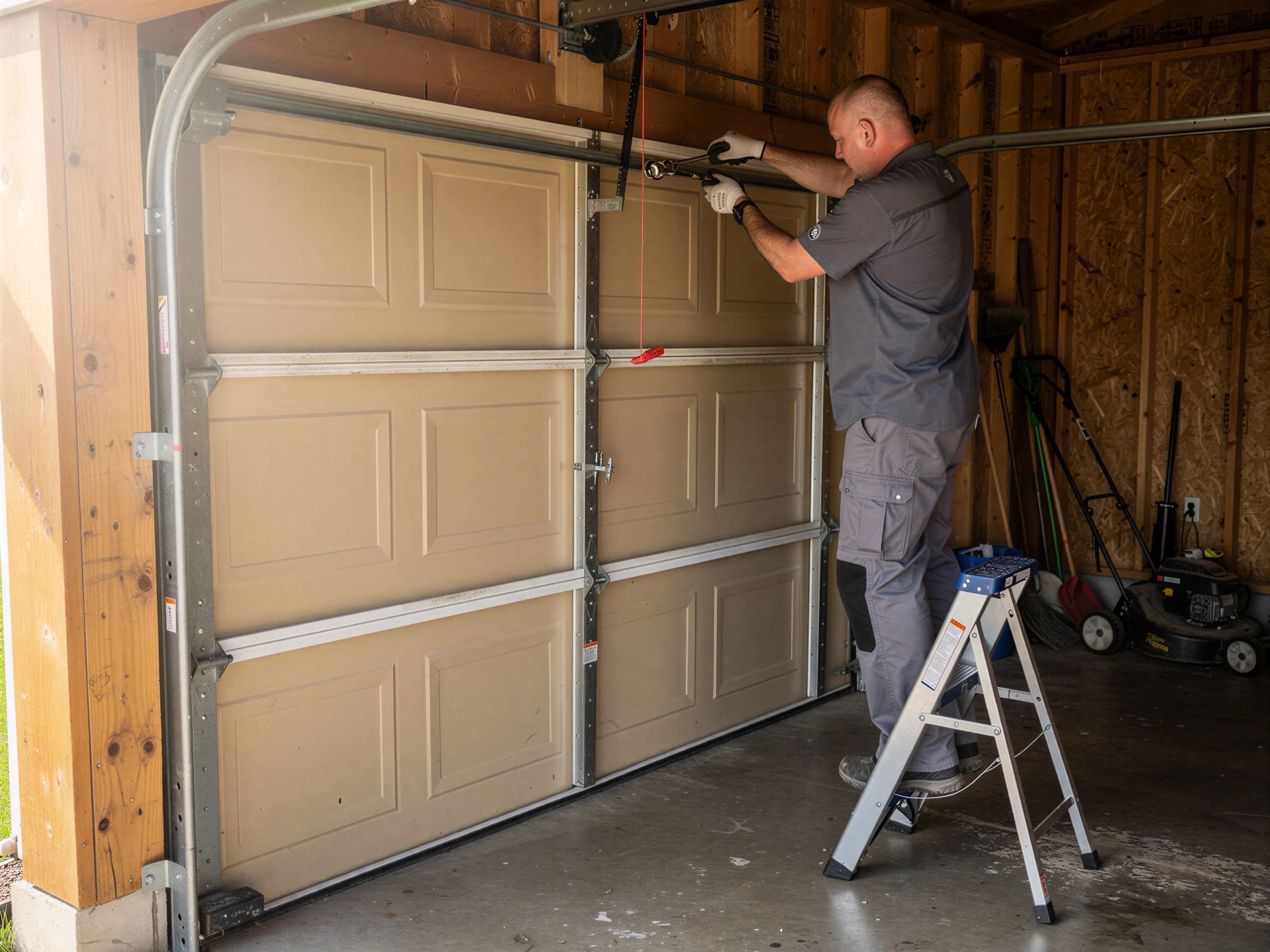
We'll say the honest part up front: hanging a single-car door with no torsion spring, on a garage that already has a working opener bracket, is within reach for a patient homeowner with the right tools. Winding or replacing torsion springs is not.
Stored tension warning
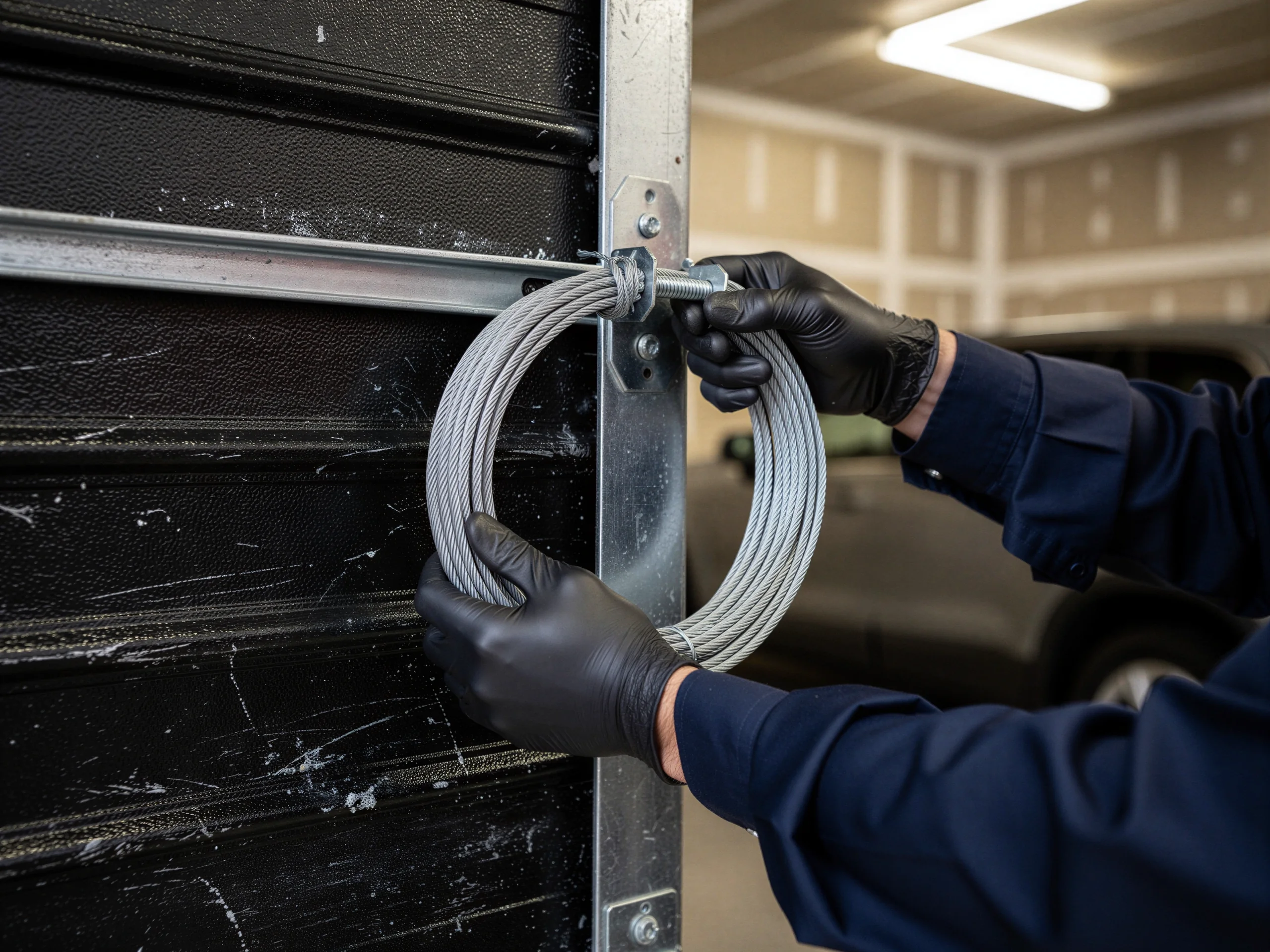
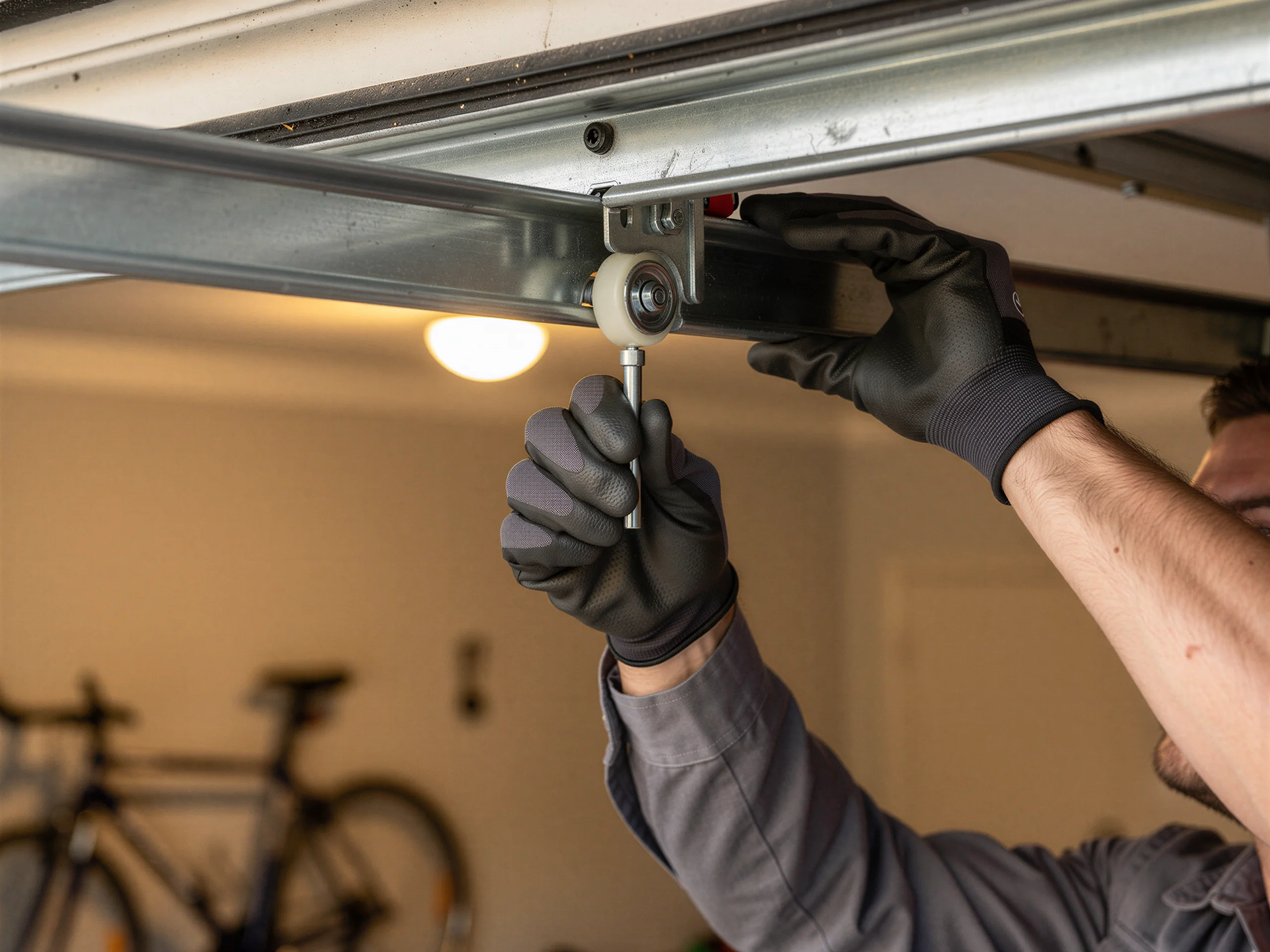
Those springs hold enough stored tension to break bones, and getting the wind count wrong on an install leaves you with a door that slams or won't stay open. If your project involves a spring, a cable drum, or moving the opener to a new header height, that's a call, not a YouTube afternoon.
What Can Go Wrong
The most common install mistake we get called to fix isn't a bad door - it's a door that was never matched to the opening it sits in.
Misset track and hinges
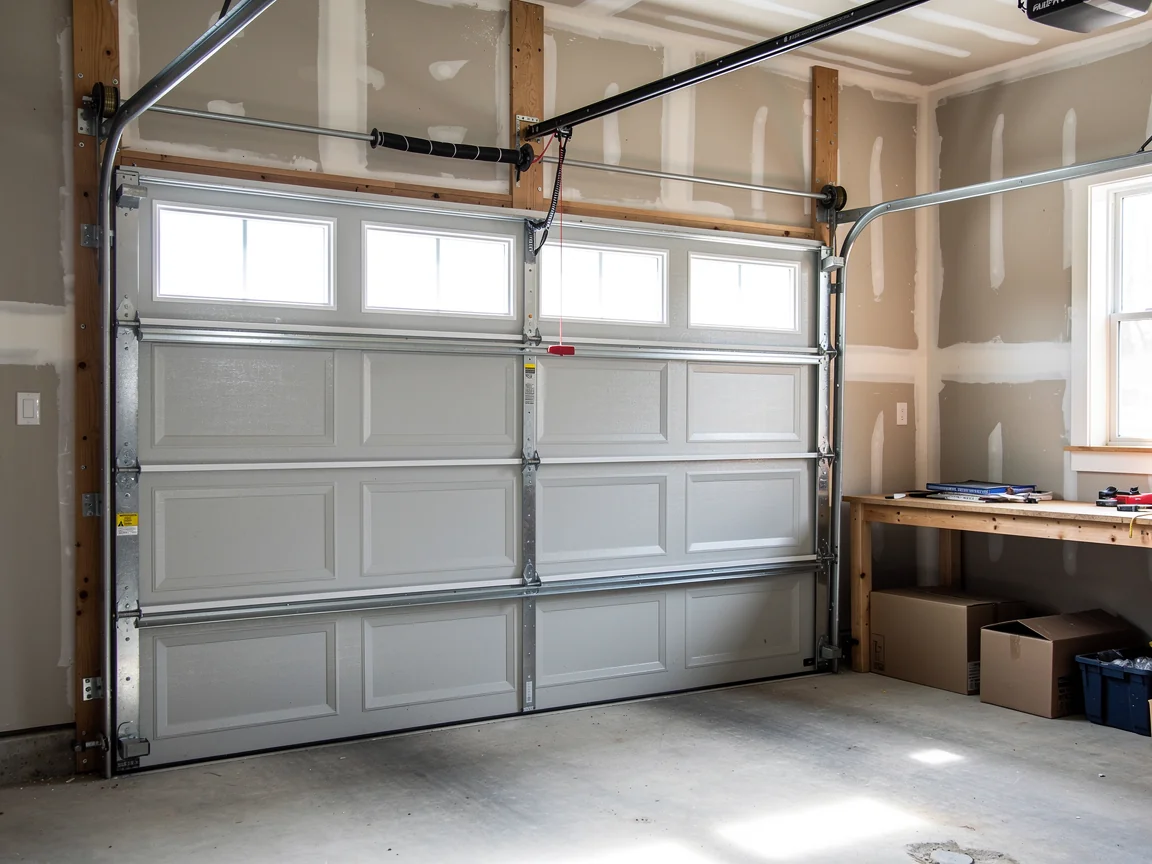
Track set too far from the jamb, hinges mounted to studs that were never squared to begin with, or a header bracket lagged into drywall instead of framing. Any of these will run fine for a few weeks and then start binding, especially once the panel takes on a little humidity swell.
Insulation rating mismatch
Insulation rating is the other miss. This area sits in a mild climate band with only occasional freeze, so a door over-built for hard winters wastes money, and a door with no insulation at all leaves a gap where moist air condenses on the inside of the panel every time the temperature dips.
R-value for local climate
Getting the R-value right for what this area actually sees, rather than a generic cold-weather spec, is most of the job. Opener mismatch is the third one. A heavier insulated door on an old chain-drive opener sized for a lighter panel will struggle to lift it smoothly, and that shortens the life of both the opener and the new door's cables.
What Causes It Around Here
Two things drive most of what we see on installs in this service area: the age spread of the housing stock and the climate band it sits in. With construction running from 1956 through 2010 and the heaviest concentration in the 1980s and 90s, we're constantly matching new doors to openings that were framed under different lumber and header standards decade to decade. An opening built in the 1960s on a house near Deer Park, three miles out, won't take the same trim kit as one built in the 1990s near Taylor Lake Village or Morgan's Point, eight and nine miles the other direction - same service area, different framing era.
The climate side matters just as much. This is a mild band with only occasional freeze, not a hard-winter market. Doors and weatherstrip specced for deep freeze protection are overkill here and often fit the track wrong because the seal profile is built for a different expansion range. The right call is a door and bottom seal rated for mild conditions with some cold snaps, not the heaviest insulated unit on the shelf.
What You Are Seeing
If your garage door was installed within the last few years and something already feels off, the symptoms usually point back to one of the two causes above.
Corner gap from framing
A visible gap at one corner that wasn't there at first points to a header or track never squared to the opening. Daylight along the bottom seal that comes and goes with the weather usually means the weatherstrip was rated for a colder climate than this mild, occasional-freeze one.
Panel weight mismatch
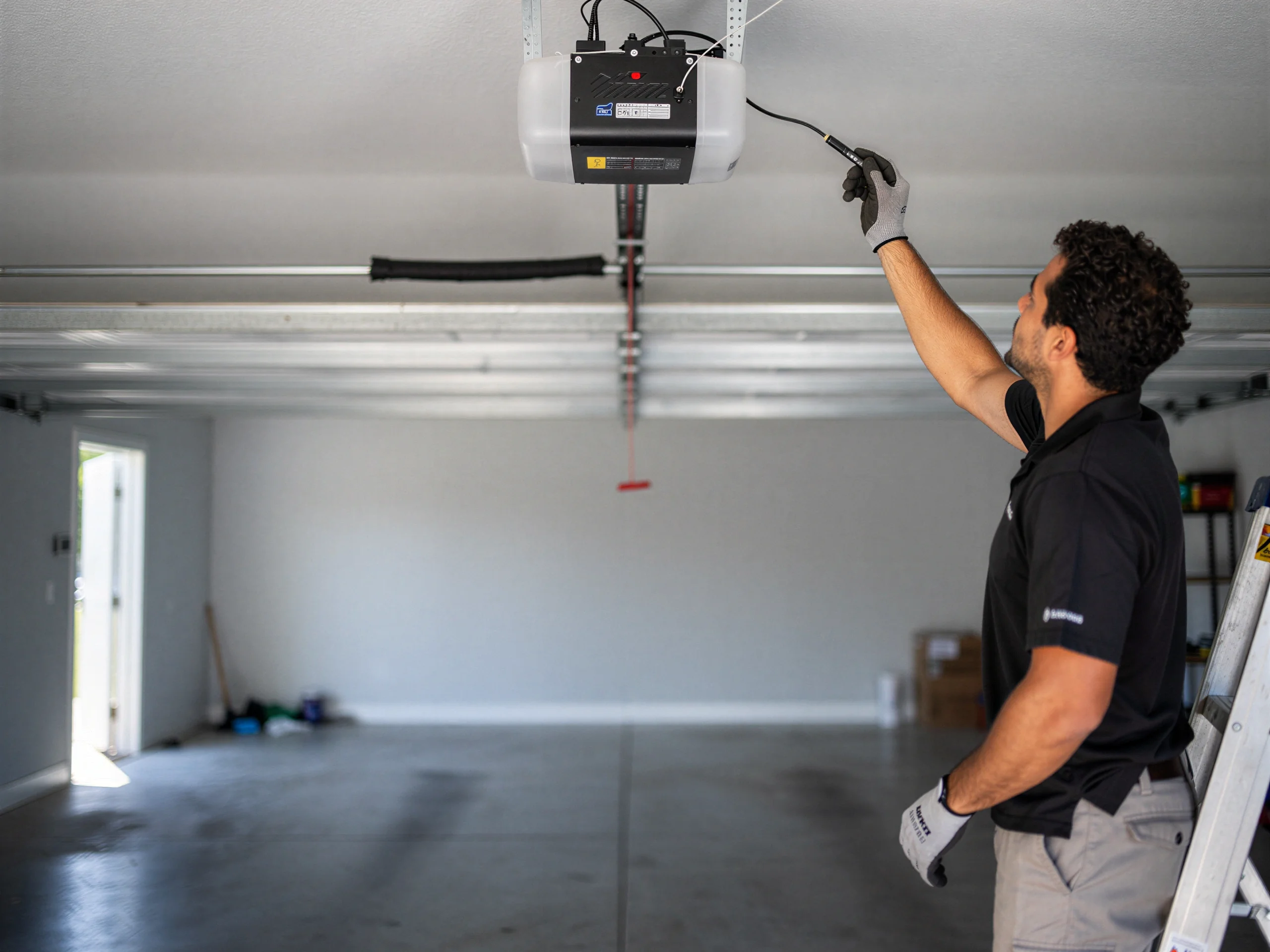
A door that the opener strains to lift, or one that reverses partway up, often means the panel weight and the opener's lift capacity were never matched - a mismatch we see more with heavier insulated doors going onto older chain-drive openers.
Measure-and-fit matters most
None of these are failures of the door itself. They're installation details that get overlooked when the opening and the climate aren't accounted for up front, and they're the reason a proper measure-and-fit visit matters more than the brand on the panel.
Talk to a local pro
Garage door service in Pasadena?
Same-day service with honest, upfront quotes.