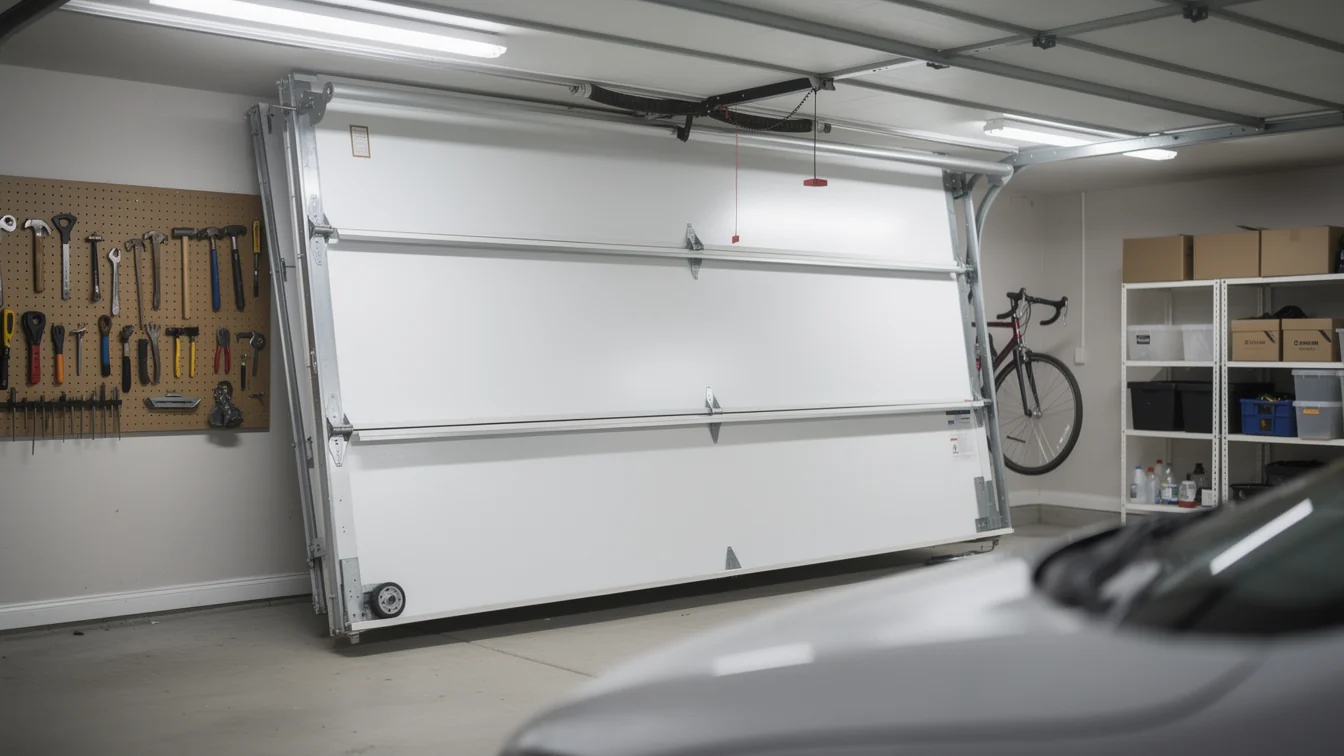
Why Your Garage Door Jumps Its Track
Pasadena homes built from 1956 to 2010 carry original track hardware that loosens with age.
Read moreA look at what we actually check on a Pasadena service call, from 1980s torsion hardware to Gulf Coast humidity swelling panels and tracks.
Local detail
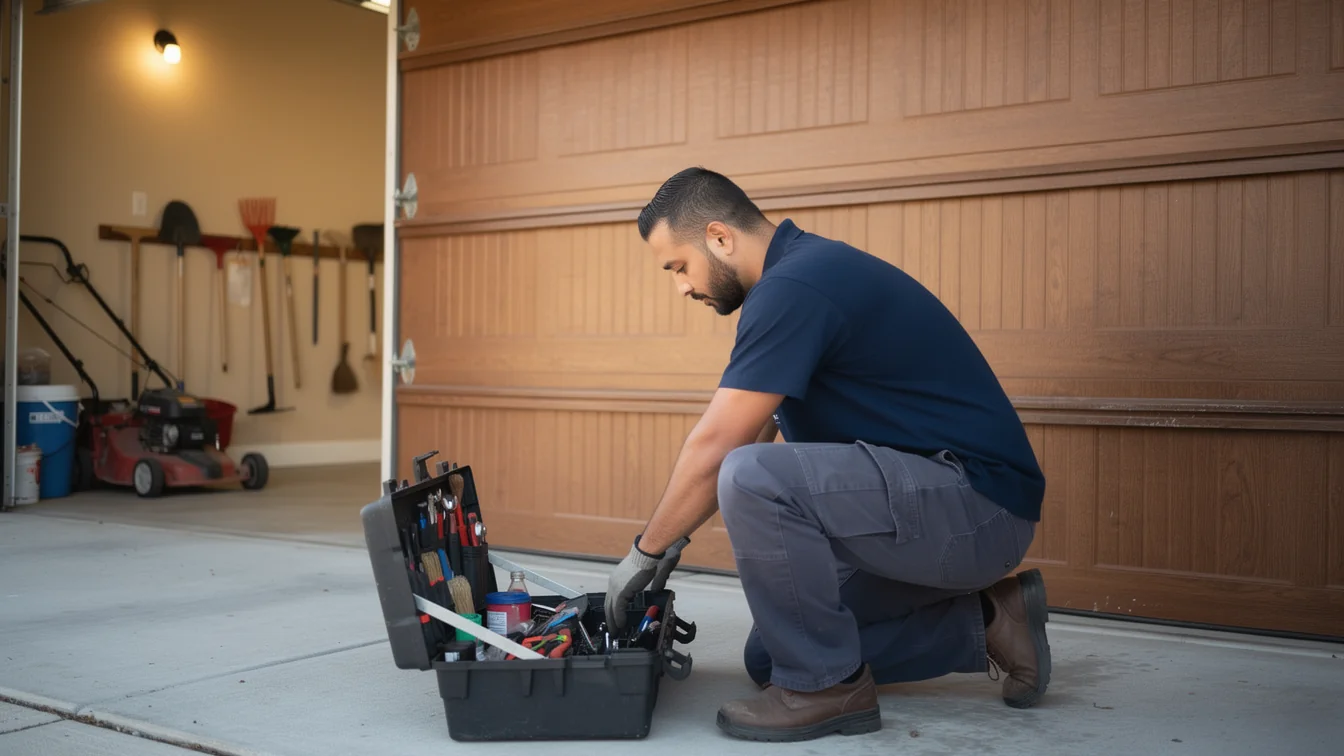
Most calls start with one symptom - a door that won't open, a spring that let go, an opener that grinds and quits halfway up. But a service call here isn't just fixing the thing you noticed. Pasadena's housing stock runs from 1956 up through 2010, with the bulk of it built through the 1980s and 90s across the area's named sections, from Houston Suburban Homes to Deer Park Gardens. That spread matters because a door installed in 1984 and a door installed in 2005 use different hardware, different cable routing, and sometimes different opening widths. We don't just swap the broken part. We check what else on that specific door, from that specific era, is likely to fail next, because in this kind of mixed-age housing stock the failure that brought us out rarely travels alone.
The honest limit here: if your opener is original to a mid-1980s build, we may not be able to get an exact replacement logic board or remote. Parts for openers that old are getting harder to source, and at some point replacing the whole unit costs less than chasing parts for one that's done.
The area
Pasadena sits in a mild climate band with occasional freeze risk, not the hard freeze-thaw cycle that tears apart doors further north, but not freeze-free either. That matters for how we time a service call. Through the warmer months, humidity swells wood-composite panels and door seams on anything built before the newer moisture-resistant materials became standard - common on houses dating to the 1980s and 90s. We check panel fit and weatherstripping compression during these visits, because a seal that looked fine in spring can be pinched shut by August swelling.
In the handful of cold snaps each winter, steel doors contract slightly and torsion springs lose a bit of tension, which is when owners with older spring setups hear new noise or feel the door get heavier to lift by hand. We check spring tension and track alignment on these calls rather than assuming the opener itself failed. On a mild-climate house, the seasonal swing is smaller than what a Midwest home sees, but it's steady enough that a tune-up timed to it catches problems before they're repairs.
What we find
Mild with occasional freeze means two things work against your door at different times of year: moisture most of the year, and the rare cold snap. On houses built in the 1980s and 90s, which make up most of the stock across Pasadena's 23 named areas, we see galvanized hardware that's held up fine mechanically but shows surface rust at the roller brackets and bottom bracket bolts, especially on doors facing prevailing moisture. That's not a this-year problem, it's a twenty-to-forty-year problem, and it's specific to how long Gulf Coast humidity has had to work on hardware this old.
We also check for wood rot at the bottom panel on original wood or wood-composite doors from that same build era, since that's the point where standing moisture does the most damage over time. None of this is storm damage in the usual sense. It's slow wear from a climate that never gets cold enough to dry things out for long, which is a different failure pattern than a freeze belt or a desert town would show.
How we work
On a standard service call, we go through the door in this order: springs first, since that's where sudden failure happens and where age matters most on 1980s-era torsion setups; then cables and drums, checking for fraying that humidity speeds up; then tracks and rollers, looking for the rust pattern we see on older galvanized hardware in this climate; then the opener itself, testing force settings and the safety reversal, which matters more on doors from before current safety standards were built into every unit; then panel and seal condition, especially on anything approaching or past the 1984 median build year for this area.
We write down what we find and what we didn't touch, so you know exactly what this visit covered and what it didn't. A service call isn't a full inspection unless you ask for one - if you just called about a noisy opener, we're not pulling your springs apart unless something there also looks wrong.
Questions
We check what's connected to the problem you called about, plus anything that looks like it's about to fail, especially on older hardware common across Pasadena's 1980s and 90s housing stock. A full inspection beyond that is something you'd ask for separately, and we'll tell you up front which one you're getting.
A lot of Pasadena's housing dates to the 1980s and 90s, median around 1984, so the hardware, spring systems, and opener safety features on these doors are a generation or two behind current standards. That's not a flaw in your house, it's just the age of the build, and it means more of what we check is original equipment.
Yes, slowly. Pasadena sits in a mild climate with occasional freeze risk, and the steady humidity the rest of the year works on galvanized hardware, wood panels, and seals over decades rather than all at once. We check for rust at brackets and rot at bottom panels on older doors for exactly this reason.
Not always. Openers original to houses from the mid-1980s can be hard to match on logic boards and remotes as parts age out of production. When that's the case, we'll tell you honestly whether replacing the full unit makes more sense than chasing a part.
Recommendation
More garage door guides for Pasadena homeowners.
Pasadena homes built from 1956 to 2010 carry original track hardware that loosens with age.
Read more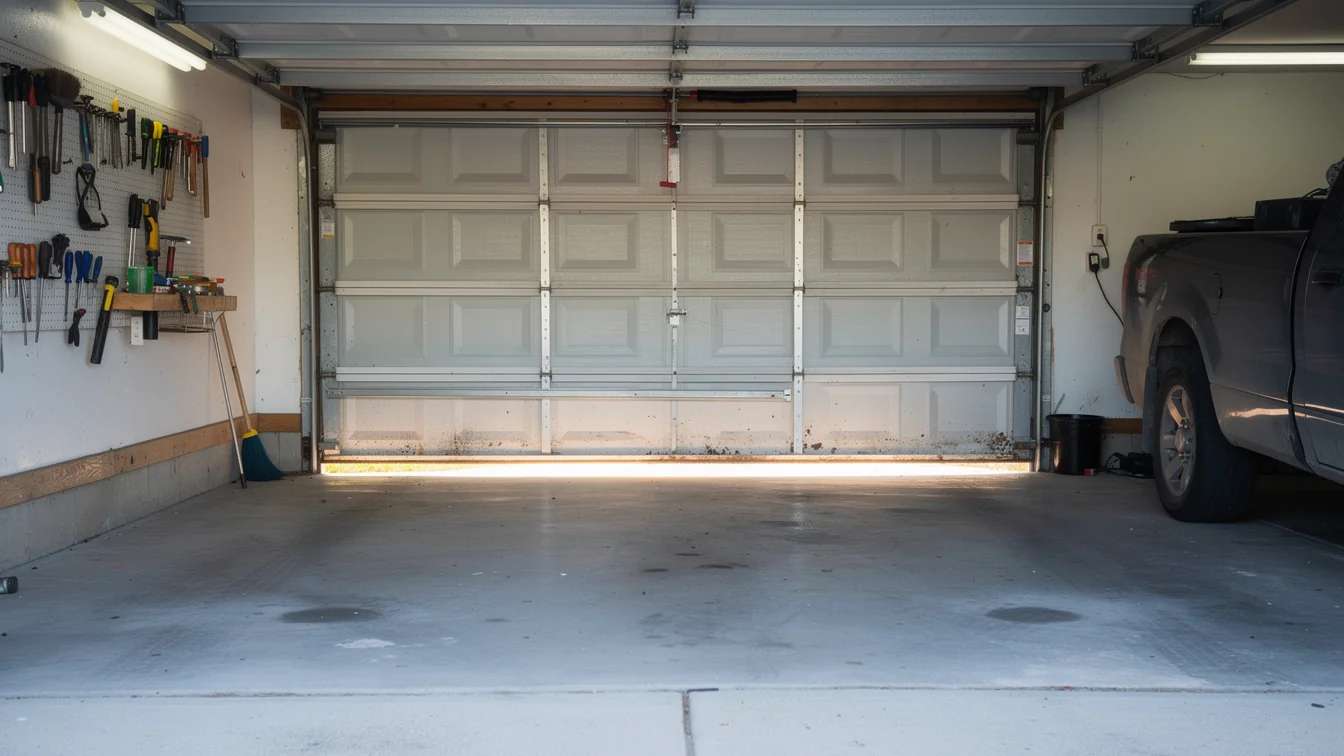
Pasadena homes built 1956-2010 face mild-freeze swings and original hardware.
Read more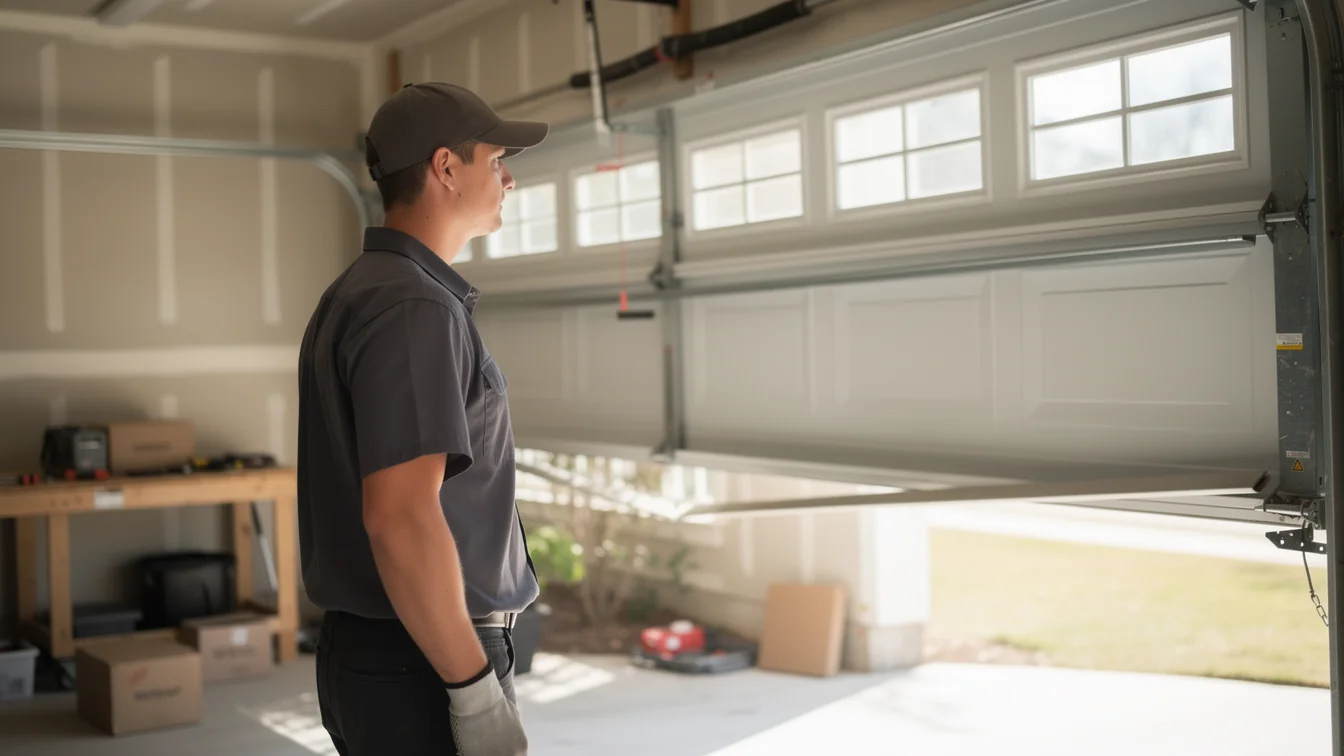
Pasadena homes built between 1956 and 2010 carry different hardware.
Read moreReady when you are
Pasadena Garage Door Pros repairs and installs garage doors, springs and openers in Pasadena, TX and the surrounding area.