Why Your Garage Door Jumps Its Track
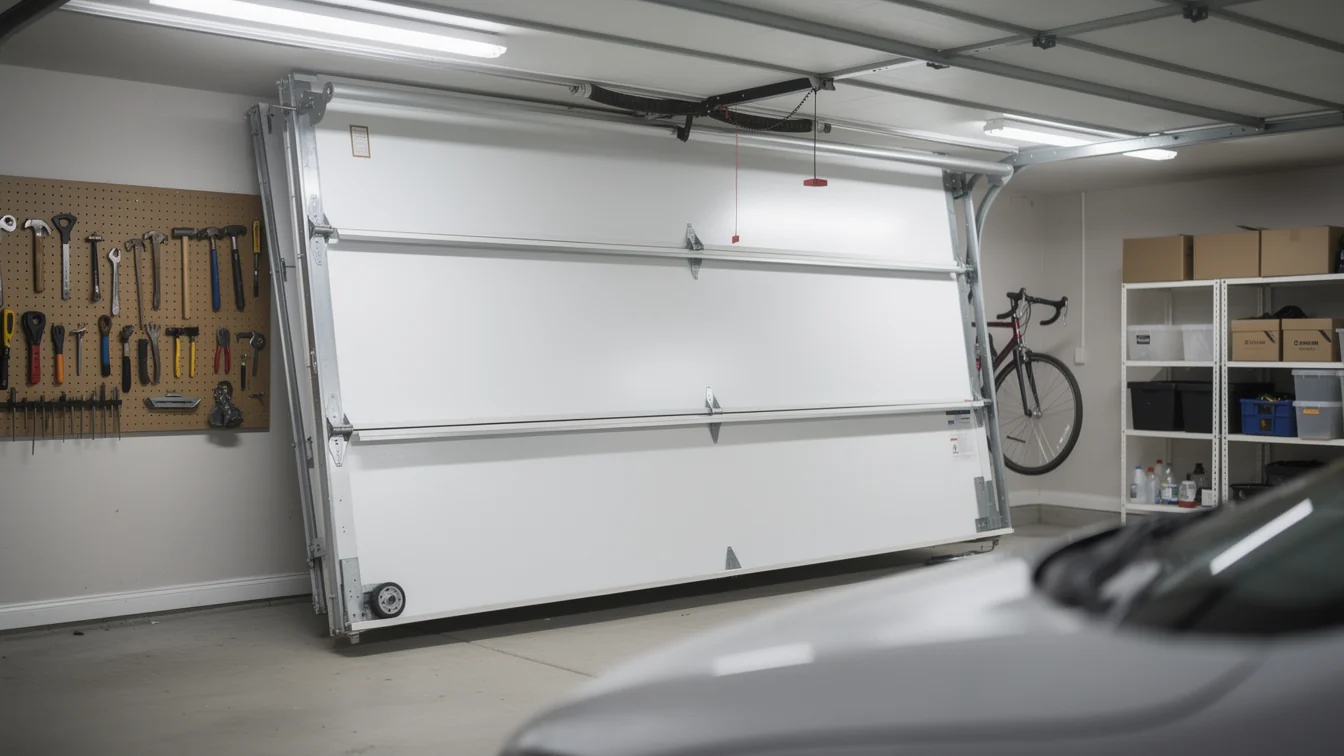
Pasadena homes built from 1956 to 2010 carry original track hardware that loosens with age.
Read morePasadena homes built 1956-2010 face mild-freeze swings and original hardware. Here's what breaks each season and what to check before it fails on you.
Local detail
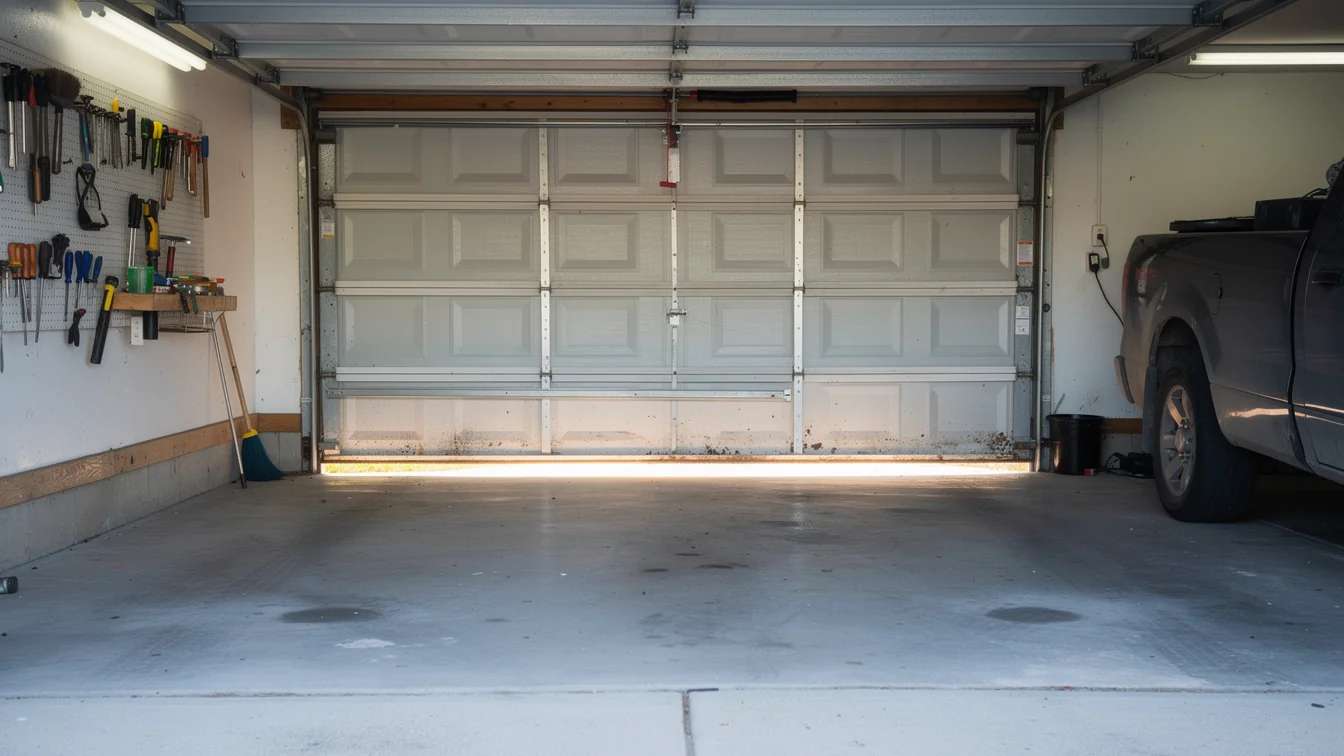
Most of the houses we work on in Pasadena went up somewhere between 1956 and 2010, with the median build year landing around 1984. That's a long stretch, but it means a huge share of garage doors and openers out there are original equipment from the 1980s and 90s installation boom - not something bolted on last year. Across the 23 named areas we see work in, the stock skews the same way: older torsion springs, painted-over steel panels, openers with drive systems nobody services anymore. A door built before insulation rules went into effect doesn't have the same sandwich-panel construction you'd get installing new today - it's a single skin of steel over nothing, which matters more than people think once the temperature starts moving. The problem isn't that these doors are bad. It's that they're old enough that the parts inside have outlived the assumptions they were built on, and most owners don't know that until a spring snaps or a panel won't seal.
The area
Spring in this part of the service area brings humidity swings that swell wood jambs and tracks that were never perfectly plumb to begin with - a door that closed clean in February can start binding by May. Summer is steady heat, and steel panels expand enough that a track set just slightly out of alignment in a 1980s install starts showing it, usually as a grinding sound on the top roller. Fall is the easy season here - the mild band means you're not fighting hard freezes, so this is the window to catch slack cables or worn rollers before anything gets worse. Winter is where the 'someFreeze' part of our climate shows up: it's not hard winters, but the occasional dip below freezing is enough to stiffen grease in an old torsion spring that hasn't been lubricated since the house was built, and that stiffness is exactly what causes a spring to snap under load instead of flexing with it.
What we find
We're in a mild climate band with occasional freeze, not a harsh one, so you're not dealing with the kind of seasonal extremes that destroy a door outright. What you get instead is slower, quieter wear: steel that expands and contracts a little every day for thirty or forty years, hardware that was never designed to be maintenance-free running without attention for decades, and the occasional cold snap that catches a dry spring at the worst moment. On a door built before insulation rules were standard, there's also no foam core buffering that temperature swing - the steel moves with the air outside, season after season, and the track and rollers take that movement directly. None of this is dramatic. It's cumulative, and it's why a door that's run fine for thirty years can start failing in its thirty-first.
How we work
If your house falls in that 1956-2010 window - and across Pasadena and the areas out toward Deer Park, Houston Suburban Homes, and Deer Park Gardens, that's most of them - start with the spring. Grab the door with both hands when it's down and lift a few inches; if it feels heavy or uneven side to side, the torsion spring is losing tension and a cold morning could be the day it goes. Check the rollers next - if they're the original metal ones, they're noisy and due. Look at the bottom seal for cracking, since an uninsulated single-skin door depends on that seal more than a newer one does. We'll say plainly: if the opener is original to a 1980s build, parts for it are often impossible to source, and replacement makes more sense than a repair bill chasing discontinued gears.
Questions
Because so much of the housing here was built in the same window - 1956 to 2010, median around 1984 - a lot of original doors and openers are hitting the same wear point at roughly the same time. It's not a defect in any one house, it's the age of the stock across the area.
The climate here is mild with occasional freezes, not harsh winters. That's usually not enough to damage a well-maintained spring, but on an old spring that hasn't been lubricated in years, a cold snap can be the trigger that makes it snap instead of just getting stiff.
Often, yes. A lot of the stock we see in the 23 named areas we work in is original 1980s-90s installation, including steel panels without foam insulation. If nobody's replaced the opener or spring since the house was built, it's worth having both checked.
Recommendation
More garage door guides for Pasadena homeowners.
Pasadena homes built from 1956 to 2010 carry original track hardware that loosens with age.
Read more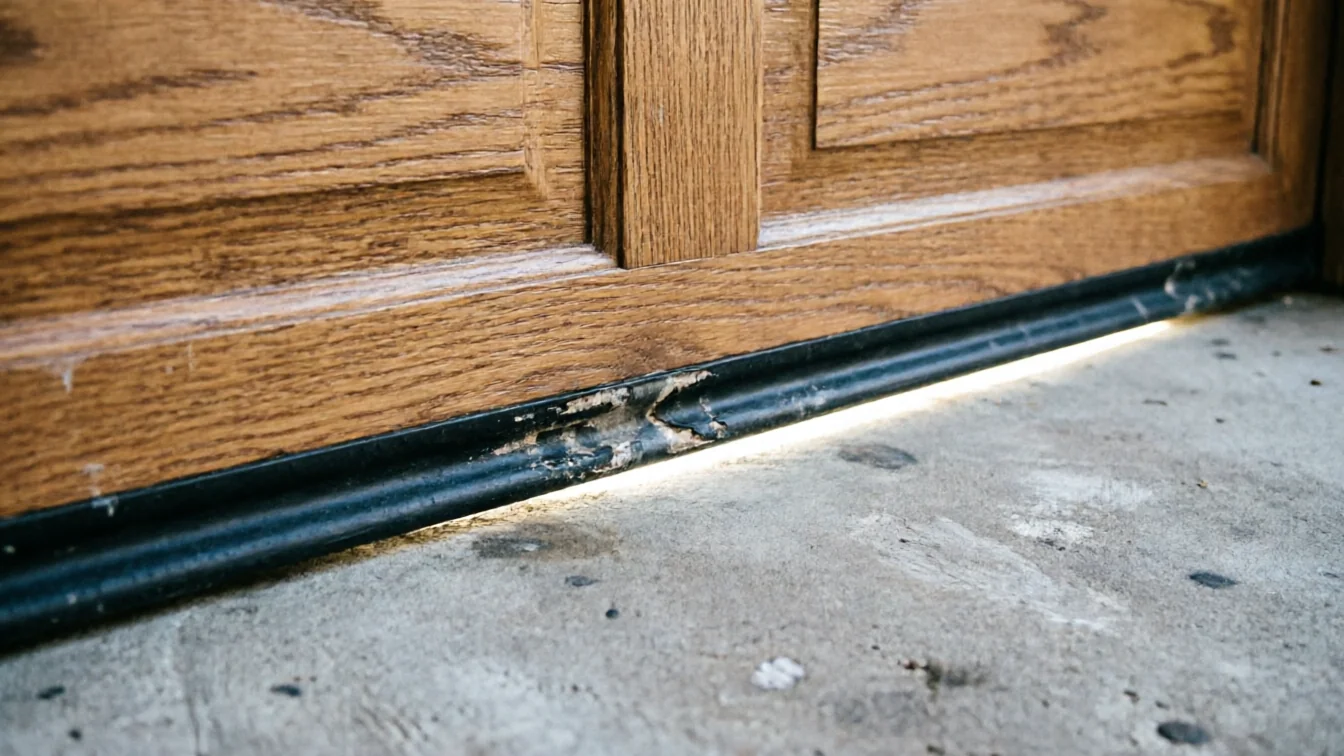
Pasadena homes built mostly between 1956 and 2010 lose their garage seal the same way, season after season.
Read more
Pasadena homes built between 1956 and 2010 carry different hardware.
Read moreReady when you are
Pasadena Garage Door Pros repairs and installs garage doors, springs and openers in Pasadena, TX and the surrounding area.