
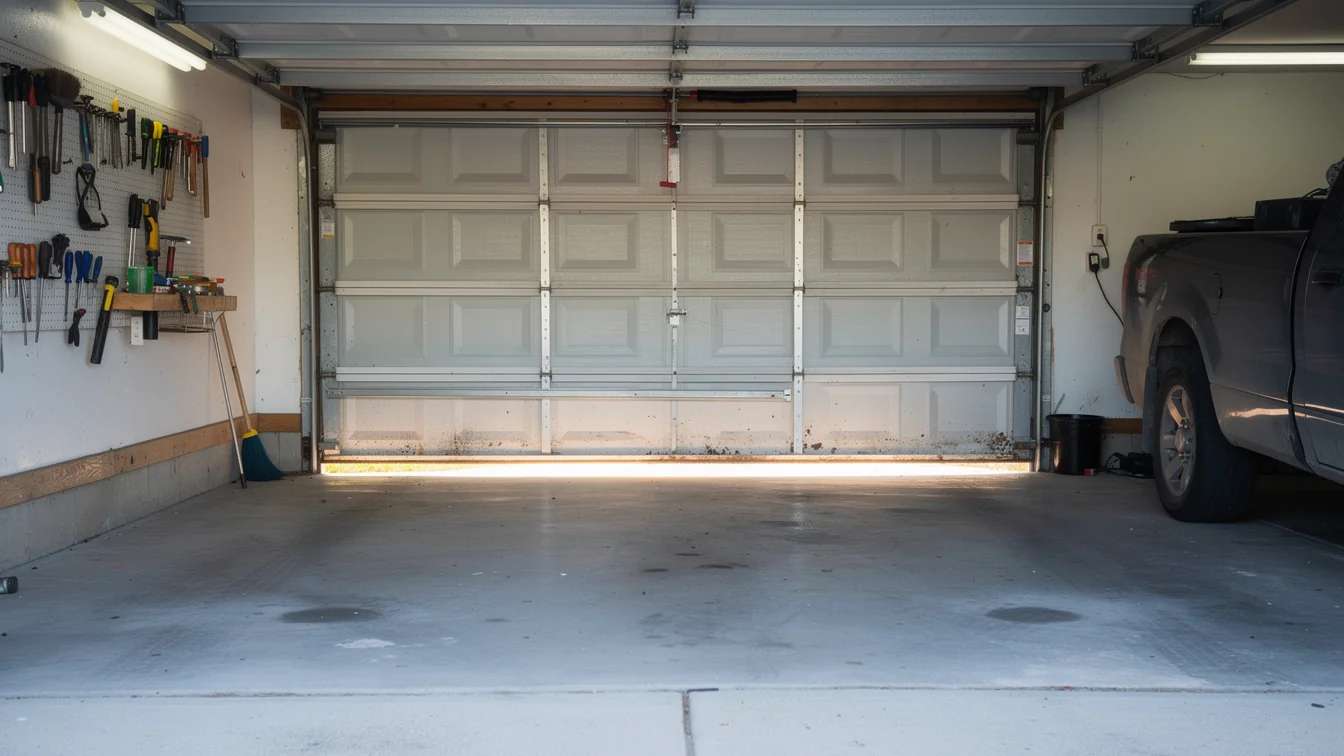
What Pasadena's Housing Stock Means for Your Garage Door
Pasadena homes built 1956-2010 face mild-freeze swings and original hardware.
Read morePasadena homes built mostly between 1956 and 2010 lose their garage seal the same way, season after season. Here's what to check before the next cold snap.
Local detail
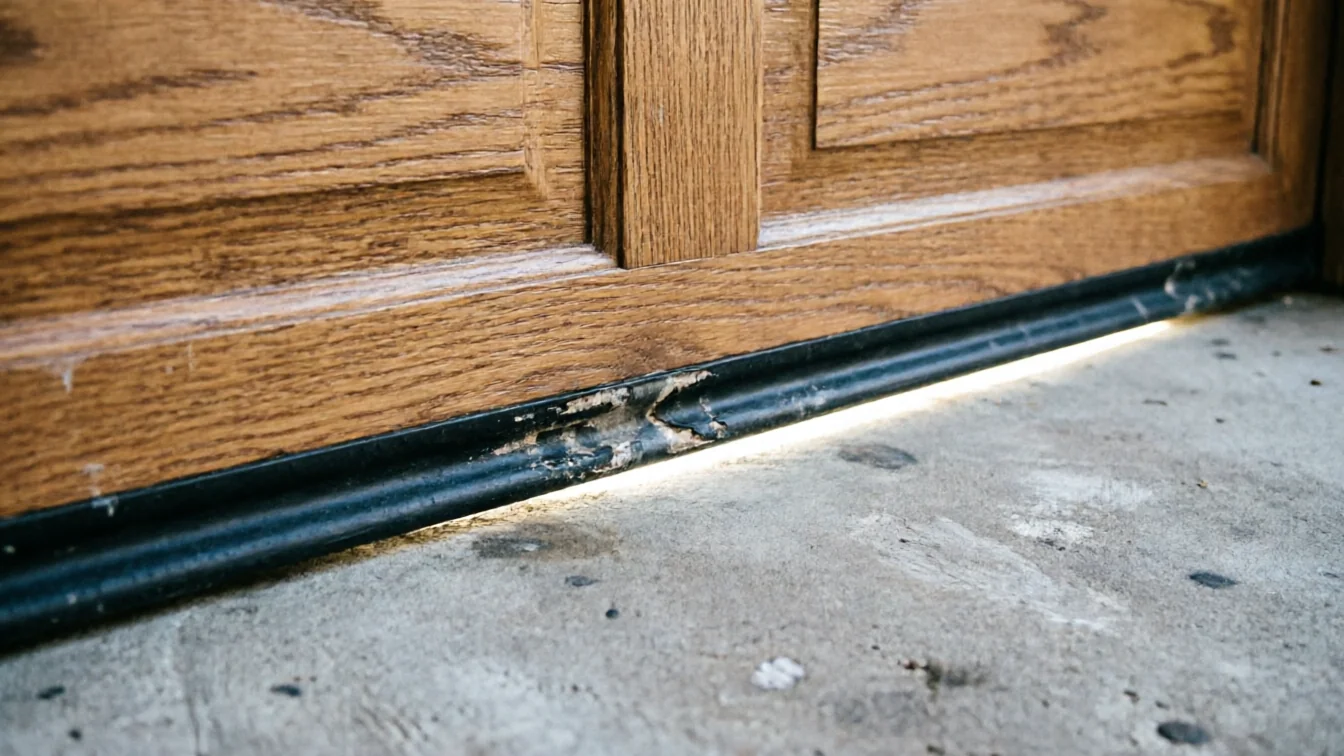
Walk into most garages built in Pasadena between 1956 and 2010 - and the median here lands around 1984 - and you'll find the same thing: a bottom seal that's gone flat, hard, or cracked at the corners, and a draught coming in along one side of the track. That rubber was never meant to last forty years. On a house from the 1980s or 90s, which describes most of the stock across the 23 named areas in this service territory, the original astragal has usually been replaced once already, sometimes with the wrong profile for the slab underneath it. The seal doesn't fail all at once. It shrinks a little every summer, then cracks a little more every time temperatures dip toward freezing. By the time you can see daylight under the door, you've already been losing conditioned air and letting in dust and bugs for a season or two. This isn't a defect specific to one builder or one neighborhood - it's what happens to vinyl and rubber left outside for decades in this part of the Gulf Coast. The fix is usually simple. The habit of ignoring it until the door won't sit flush anymore is the expensive part.
The area
Pasadena sits in a mild climate band with occasional freeze risk, not a hard winter one, so the seal damage here comes from a different cycle than it would up north. Summer heat softens and UV-bleaches the bottom seal and the side weatherstripping; the material gets pliable, picks up grit off the slab, and starts to tear at the point where it flexes every time the door cycles. Fall and early winter bring the first real cold snaps, and a seal that's already brittle from summer sun will crack right where it bends. Because the freeze risk here is occasional rather than constant, a lot of homeowners never think about the seal until a cold front catches a cracked one and the garage suddenly feels ten degrees colder than it should. Spring is when the gaps show up most obviously - pollen and water intrusion along the bottom track make a failed seal easy to spot. None of this is dramatic weather. It's just enough freeze-thaw and enough sun to wear a thirty-year-old seal down faster than people expect.
What we find
With housing stock running from 1956 through 2010 and most of it concentrated in the 1980s and 90s, a lot of these garages have tracks and jambs that have settled slightly over the decades - slab foundations in this area shift a little, and that throws the door out of square just enough that one corner of the seal never makes full contact anymore. Add a mild-with-occasional-freeze climate, and you get a seal that's constantly expanding in heat and contracting in the occasional cold snap, rather than staying in one state. That repeated flex is harder on cheap vinyl than a true cold climate would be, oddly enough, because the material never gets a long stable season to set. Neighborhoods like Deer Park Gardens, a few miles northeast, and Houston Suburban Homes closer in share the same build era and the same seal problems - this isn't unique to one subdivision, it's a function of age and climate working on the same materials across the service area. The honest limitation: if the jamb itself has shifted out of square, a new seal alone won't stop the draught. At that point you're looking at adjusting the track or the door, not just swapping weatherstripping.
How we work
Start at the bottom seal: press a finger along its length with the door closed and feel for stretches where it's gone flat or doesn't spring back. Check the corners first - that's where cracking starts on a seal that's seen a few Pasadena summers. Next, look at daylight along both side jambs and the top header with the lights off inside the garage; a thin bright line means the stop molding or side seal isn't making contact. On houses from the 1984 median build year or earlier, also check whether the track itself has pulled away from the jamb - screws back out of older wood framing over time, and no amount of new rubber fixes a track that's moved. If your household is one of the roughly 55,650 owner-occupied houses in this area with an older door, a seal replacement is usually a straightforward job. If the door drags, binds, or won't sit flush no matter how the seal is adjusted, that's a track or spring issue, not a weatherstripping one, and it's worth having someone look at the whole assembly rather than just patching the draught.
Questions
There's no fixed schedule in the data, but if your house falls in the 1956-2010 build range common here and you can't remember the last time it was swapped, it's worth checking now. Flat, hard, or cracked rubber at the corners is the sign to look for, especially after a summer of direct sun.
Usually the track or jamb on that side has shifted slightly out of square - common in older slab-foundation houses in this area - so the seal never makes full contact there even when it's brand new. Replacing the seal helps some, but if the gap persists, the track alignment needs a look too.
The climate here is mild with occasional freezes, not a hard winter. But that's actually tough on seal material - it never gets a long stable cold season, it just flexes between summer heat and the odd cold front, which wears cheap rubber down faster than people expect.
Most 1980s and 90s doors in this area use standard astragal and side-seal profiles, so a replacement usually fits without modification. The exception is if a previous owner already swapped it with a mismatched profile - that's worth checking before you buy a new one.
Recommendation
More garage door guides for Pasadena homeowners.
Pasadena homes built 1956-2010 face mild-freeze swings and original hardware.
Read more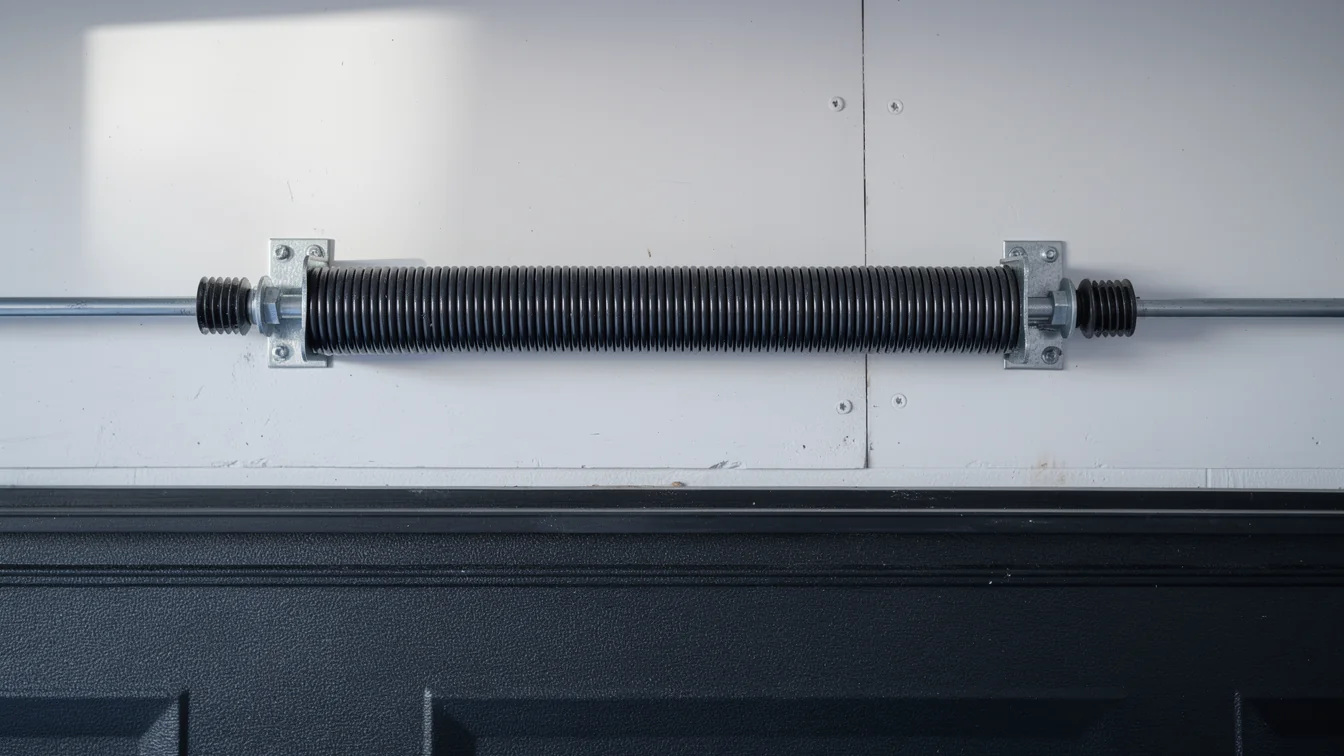
Pasadena, TX homes built mostly in the 1980s-90s rely on torsion springs rated for mild winters, not hard freezes.
Read more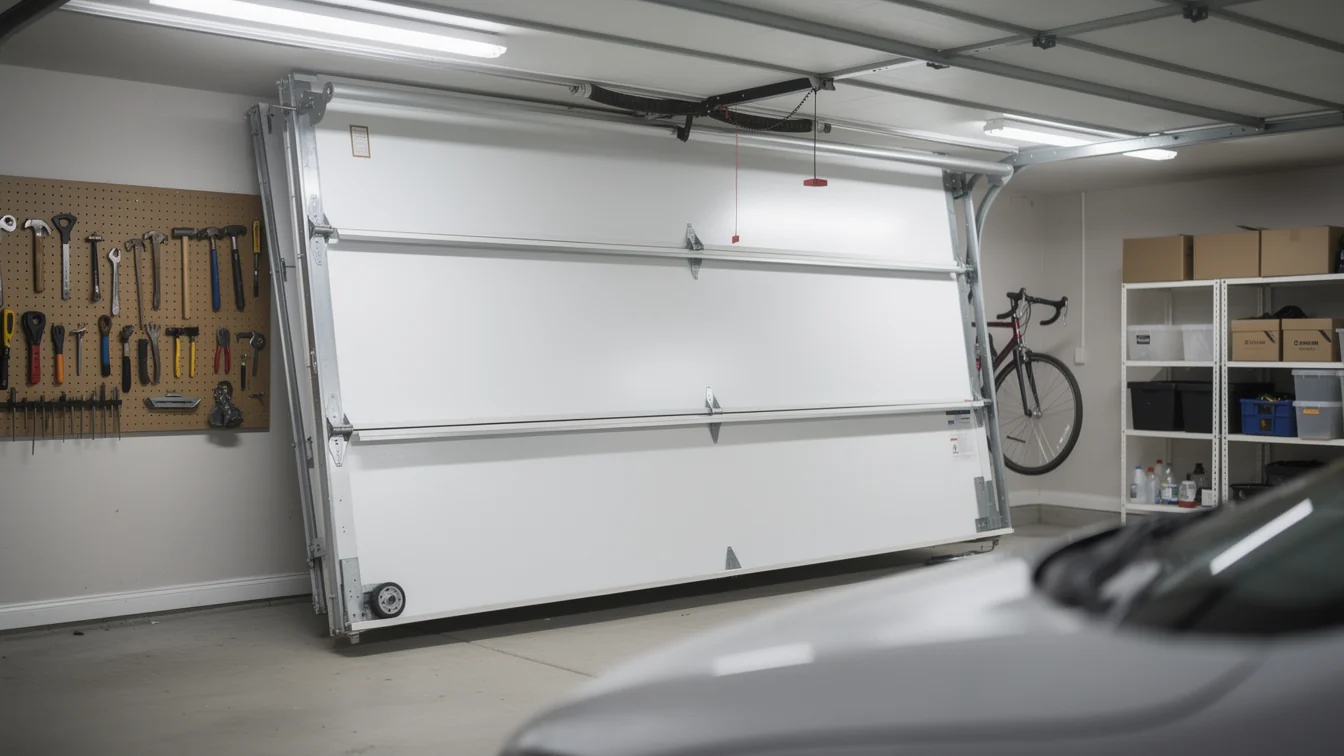
Pasadena homes built from 1956 to 2010 carry original track hardware that loosens with age.
Read moreReady when you are
Pasadena Garage Door Pros repairs and installs garage doors, springs and openers in Pasadena, TX and the surrounding area.