What Pasadena's Housing Stock Means for Your Garage Door
Pasadena homes built 1956-2010 face mild-freeze swings and original hardware.
Read moreMost Pasadena houses date 1956-2010, median 1984, which means a lot of original doors and openers still out there. Here's what's worth repairing and what isn't.
Local detail
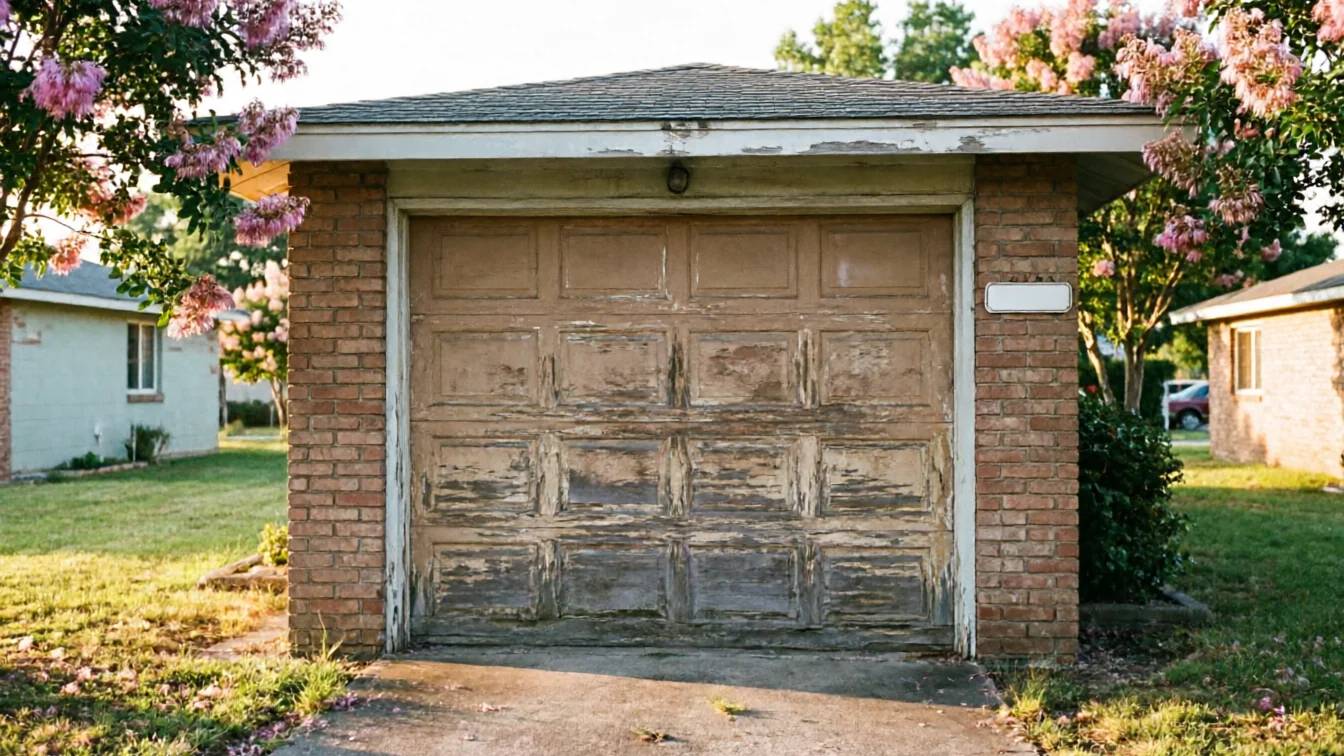
A lot of the doors we look at in Pasadena are original to the house. Housing stock here runs 1956 to 2010, with the median build year sitting at 1984, and across the 23 named areas we work in, most of what's standing went up in the 1980s and 90s. That means a huge share of the doors and openers we see are thirty-plus years old, installed before torsion spring sizing, opener safety sensors, and insulated panel construction looked anything like what's sold today.
The question we get asked constantly isn't "can you fix this," it's "should you." A door from that era can usually be kept running for a while longer with the right parts, but it depends on what's actually wrong. A worn roller or a frayed cable is a cheap fix on any door, old or new. A warped panel on a steel door from the 80s, or an opener with a burned-out logic board that nobody makes parts for anymore, is a different conversation. We'll tell you straight which one you've got instead of selling you a new door you don't need yet.
The area
With $80,037 median household income across the service area and 55,650 owner-occupied houses out of 89,401 total households, most of our calls come from people who bought the house, not the builder, and who want the door to last until something else in the budget needs attention first. That shapes how we schedule maintenance here: it's not a once-a-year tune-up pitch, it's checking the door at the points in the year when it's most likely to show a problem.
Early in the warm months is when we see the most spring and cable complaints, because a door that's been sitting unused through cooler weeks gets asked to work harder than it has in a while. Late summer and into fall is opener season - sensors drifting out of alignment, remotes losing range, chains stretching. None of this is dramatic, but on a door built in the 80s or 90s, these are the same parts that were never replaced the first time around, so they're the ones that fail now.
What we find
Pasadena sits in a mild climate band with occasional freeze risk, not the extreme swings that wreck doors in other parts of the country. That's good news for the hardware - steel panels and torsion springs here don't see the repeated hard-freeze/thaw cycling that cracks seals and snaps springs early elsewhere. But mild-with-occasional-freeze has its own wear pattern: humidity stays up most of the year, and that's harder on anything with exposed metal than a dry cold ever is.
On a door from the 1984 median build year, that's thirty-plus years of condensation working on track brackets, hinges, and spring coils that were never galvanized to current standard. We see surface rust on hardware well before we see any structural failure, and on an older door that rust is usually a sign the springs are closer to the end of their cycle count than the owner thinks. An occasional freeze snap on a cold morning can be the thing that finally breaks a spring that rust already weakened.
How we work
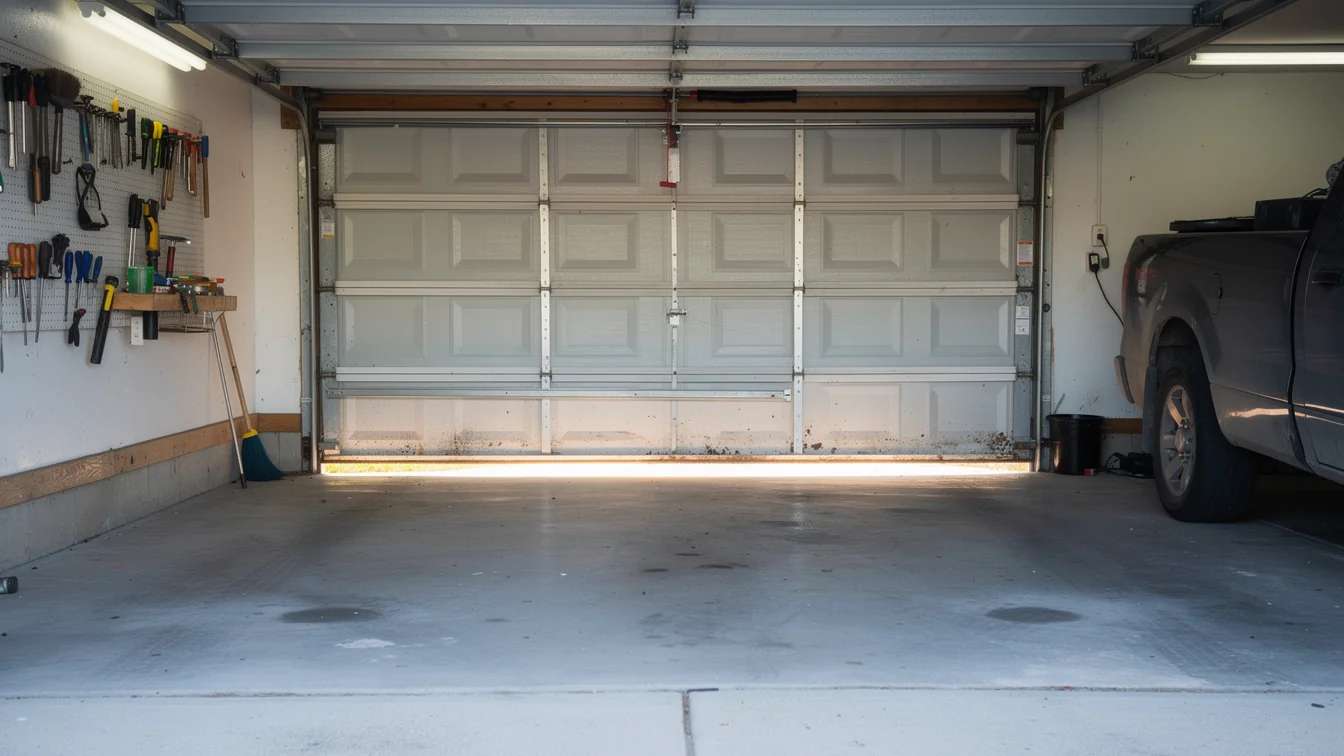
If your house falls in the 1956-2010 build range that covers most of Pasadena, start with the spring. Look for rust, visible gaps between coils, or flat spots. Next, check the cables at the bottom bracket for fraying - common on doors old enough to have the original factory cable. Then test the auto-reverse safety feature on the opener by setting a 2x4 flat on the ground under the door and running it closed; if the door doesn't stop and reverse, the opener needs attention regardless of how old it is.
We'll be honest about one limit: if the door itself is a steel panel style from the 80s or 90s and it's warped, delaminated, or dented badly enough to bind in the track, no amount of spring or cable work fixes that. At that point replacement is the honest answer, and we'll say so rather than keep billing you for repairs on a door that's past the point of being worth it.
Questions
It's possible. Median build year across the Pasadena service area is 1984, and a lot of that stock still has its original door or opener. If yours has never been replaced, check the spring and cable condition first - those are the parts most likely to show thirty-plus years of wear.
We're in a mild climate band with occasional freeze, not extreme cold. The bigger factor here is humidity, which causes surface rust on older hardware over time. That rust weakens springs gradually, and an occasional cold snap can be what finally snaps one.
When the panel itself is warped, delaminated, or binding in the track. Spring and cable work make sense on an old door with good panels. A damaged steel panel from the 80s or 90s usually means replacement is the more honest fix.
We see more spring and cable calls early in the warm months, after a door sits idle through cooler weeks. Opener issues - sensor drift, worn chains - tend to show up more in late summer and fall.
Recommendation
More garage door guides for Pasadena homeowners.
Pasadena homes built 1956-2010 face mild-freeze swings and original hardware.
Read more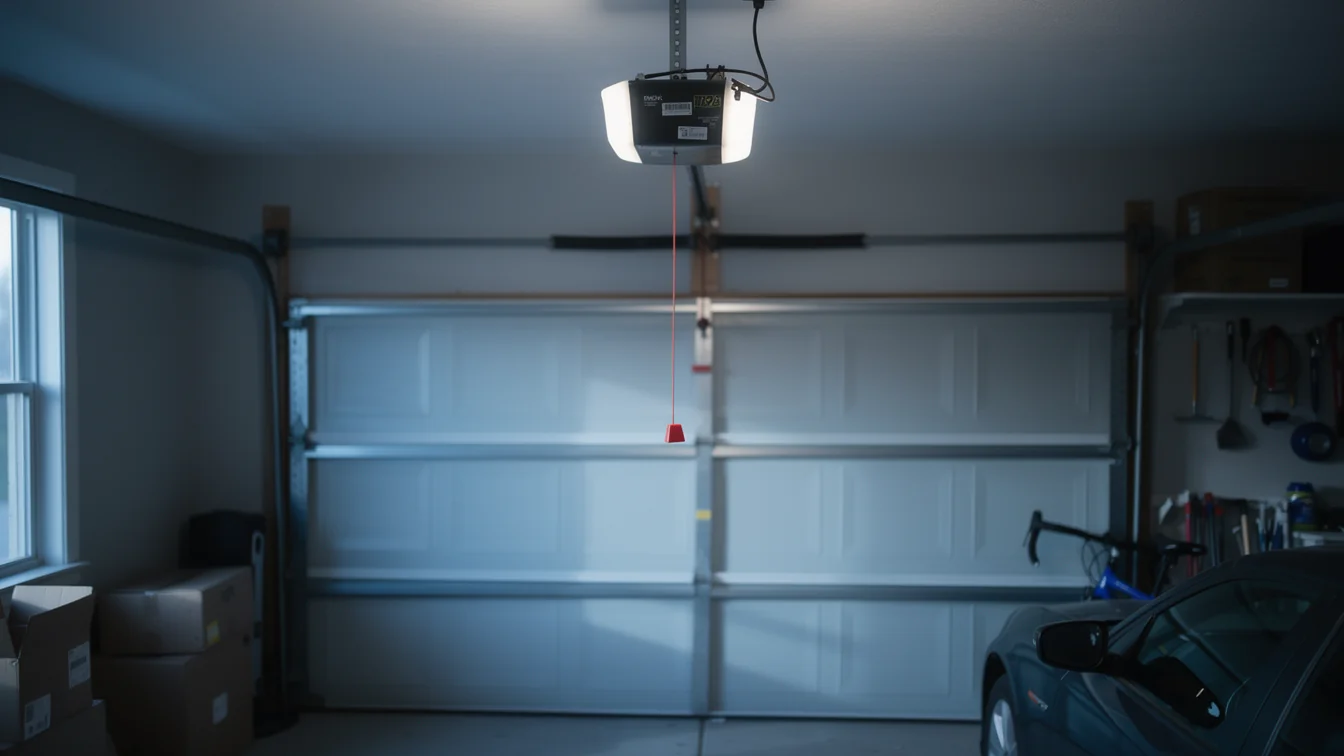
Most Pasadena garage doors run openers installed when the house was built, 1956-2010.
Read more
Pasadena homes built between 1956 and 2010 carry different hardware.
Read moreReady when you are
Pasadena Garage Door Pros repairs and installs garage doors, springs and openers in Pasadena, TX and the surrounding area.