What Is on the Truck
Deer Park sits about 3 miles from Pasadena, and the truck that comes out carries a different mix of header brackets and track lengths than it would for a neighborhood built after 2000.
Earlier build headroom gap
Across the wider service area the median home dates to 1984, but Deer Park itself skews a bit earlier, with a median build year of 1981. Three years doesn't sound like much until you're standing in front of a header that was framed for a single-piece door and now has to carry a sectional panel system.
Spacers and radius options
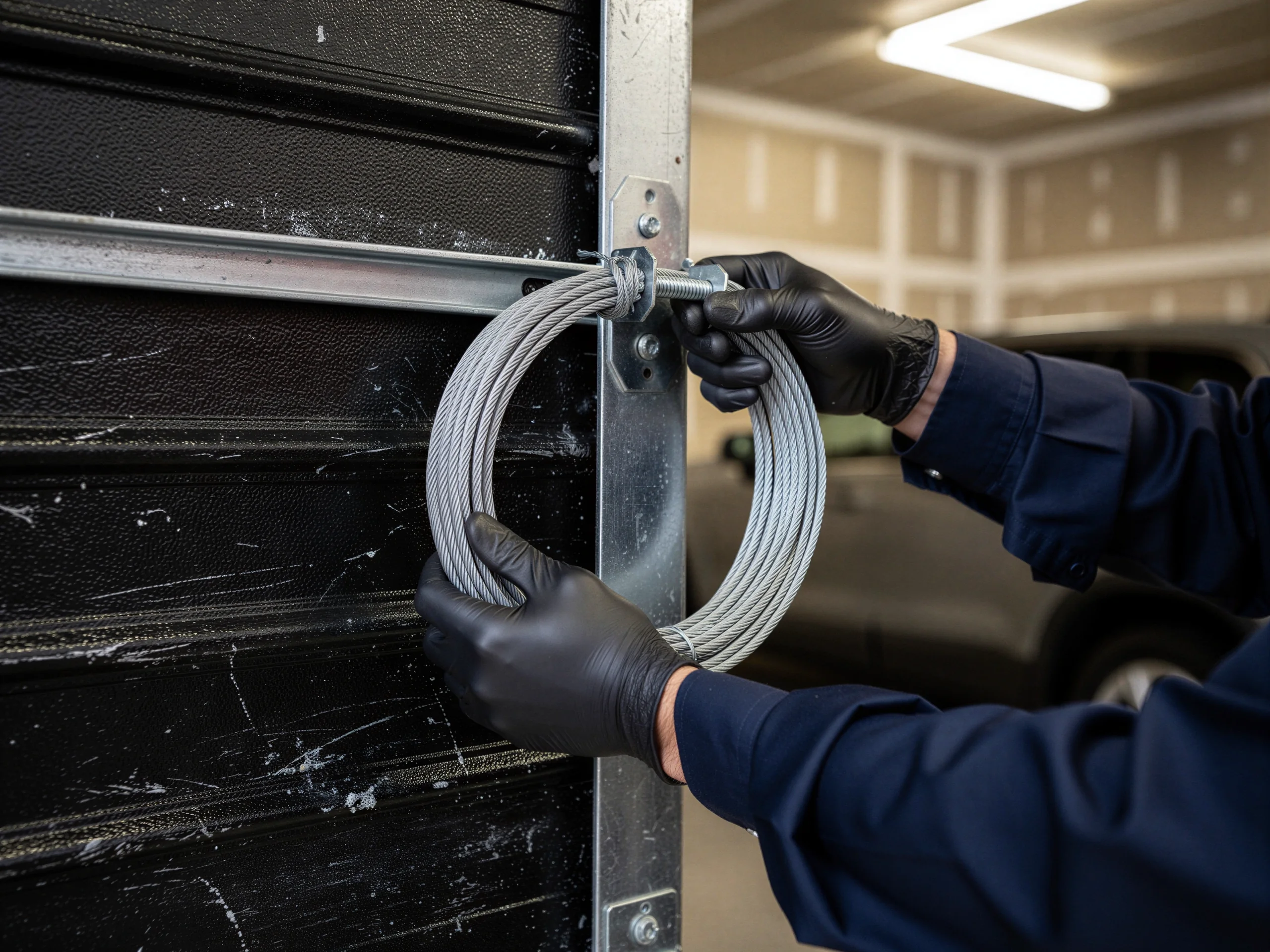
That means the crew brings extra jamb spacers, a selection of track radius options, and both 1/3 and 1/2 horsepower opener mounts, because a house from that era often has a shorter headroom than what current doors assume. We don't guess at it on site and then make a second trip - the van is stocked for the housing stock this particular suburb actually has, not for whatever showed up on the last job in a newer part of the service area.
Low-headroom conversion kits
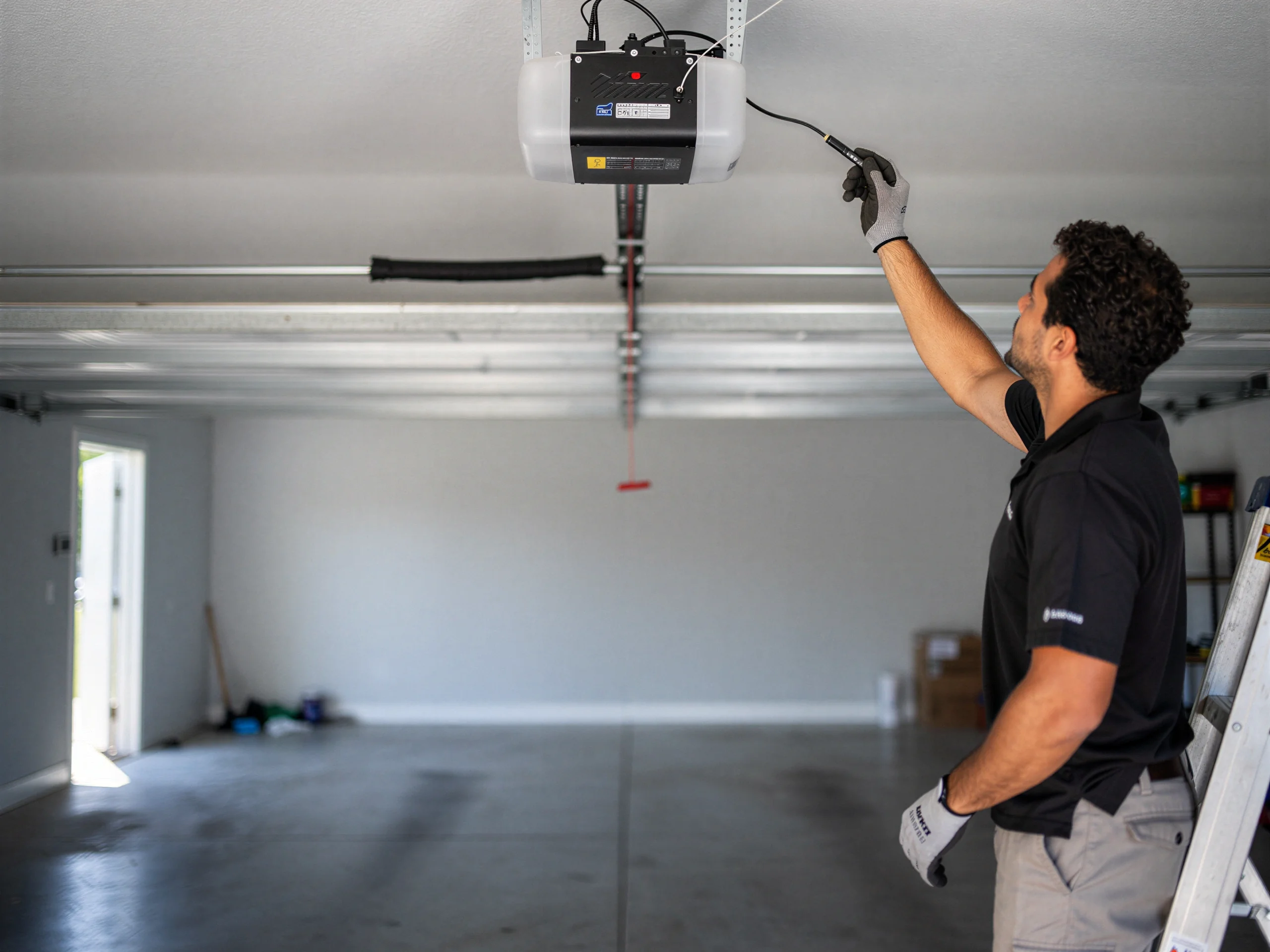
We also carry both standard and low-headroom torsion conversion kits, since early-1980s garages sometimes have ceiling joists or ductwork lower than a modern code assumes. If your garage has something unusual overhead, that's worth a photo before the truck leaves Pasadena, not a surprise once it's parked in your driveway.
Doing It Yourself
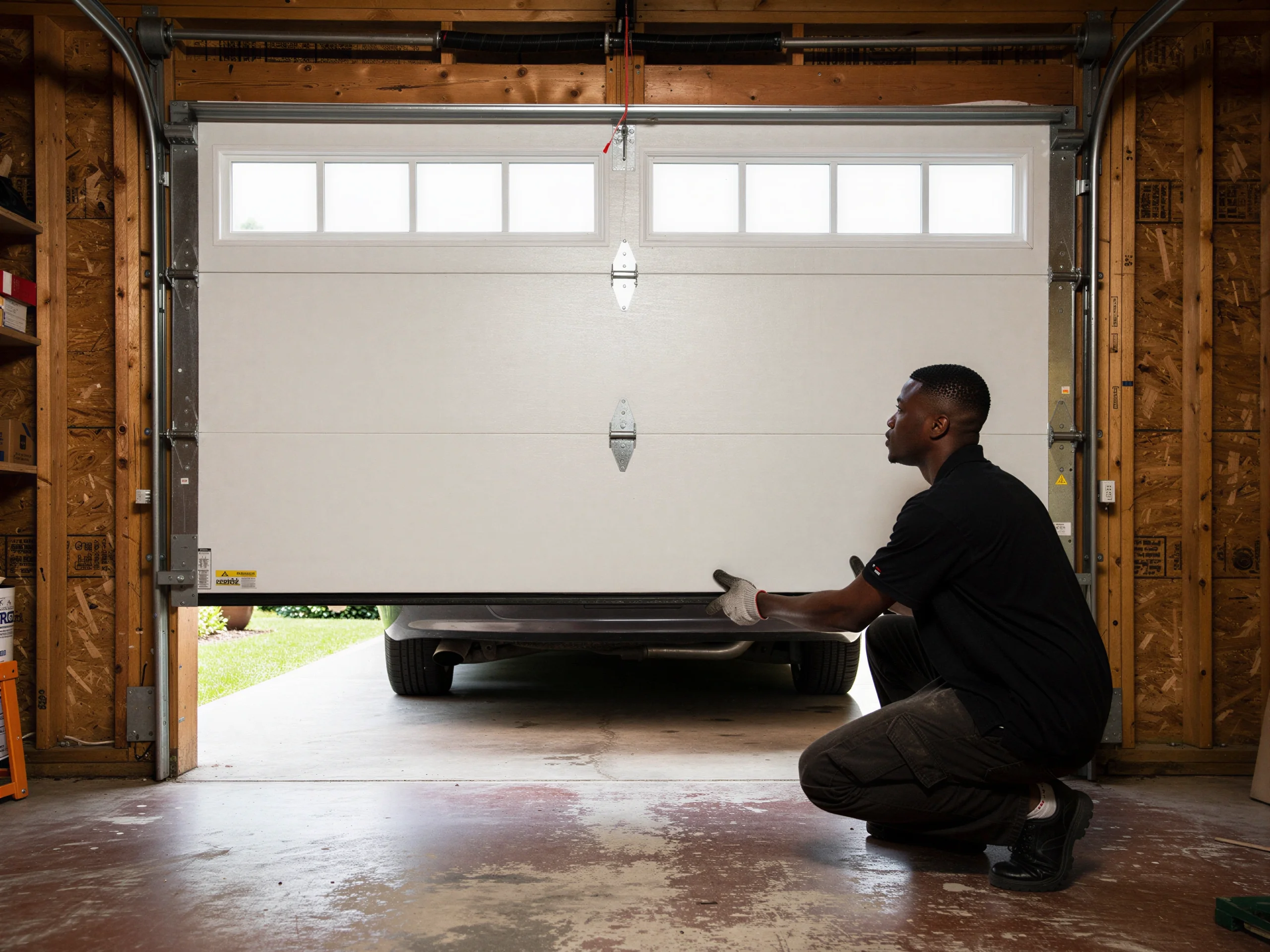
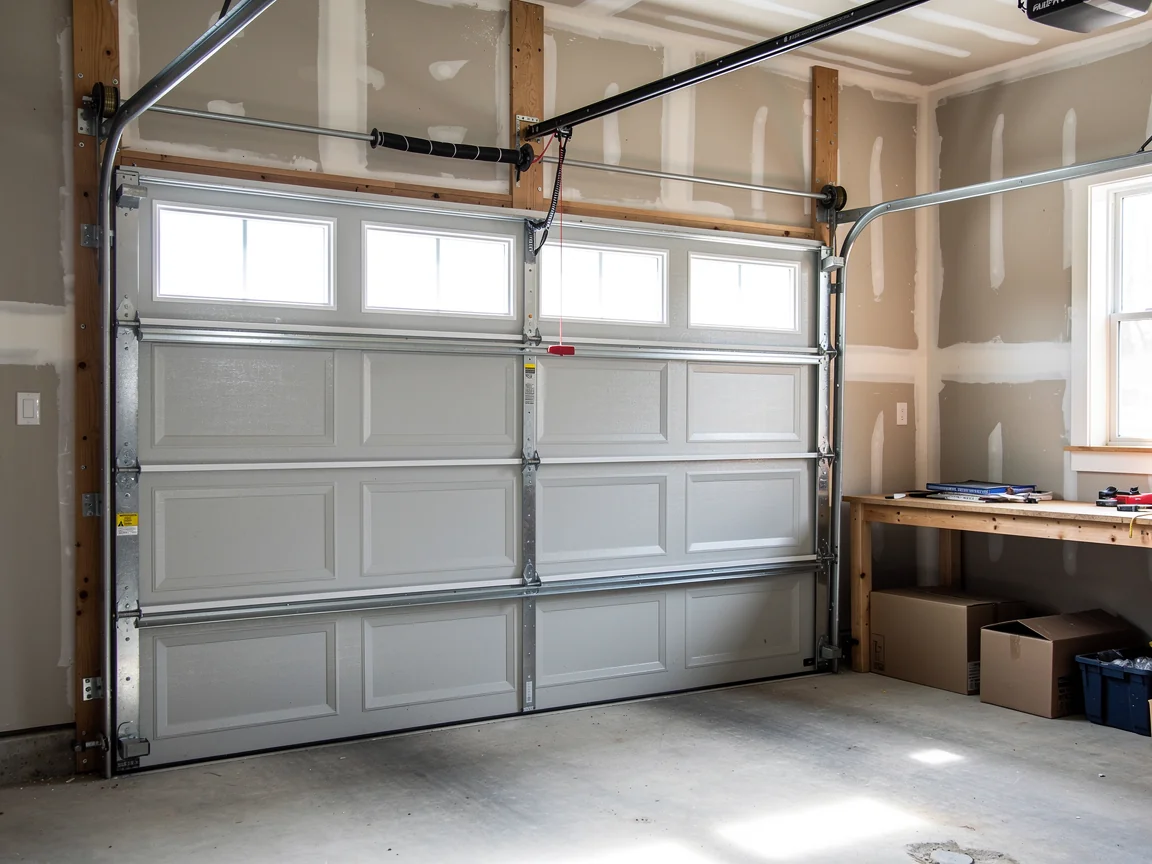
A new door install is not a weekend-kit job, and we'll say that straight: the panels are heavy, the spring is under real tension before it's ever attached to anything, and a track set measured wrong by half an inch binds the rollers for good.
Settled, unsquare openings
If your house was built anywhere near Deer Park's 1981 median, there's a decent chance the opening itself isn't quite square anymore after four decades of settling, which a retail kit's instructions don't account for.
Homeowner-safe install tasks
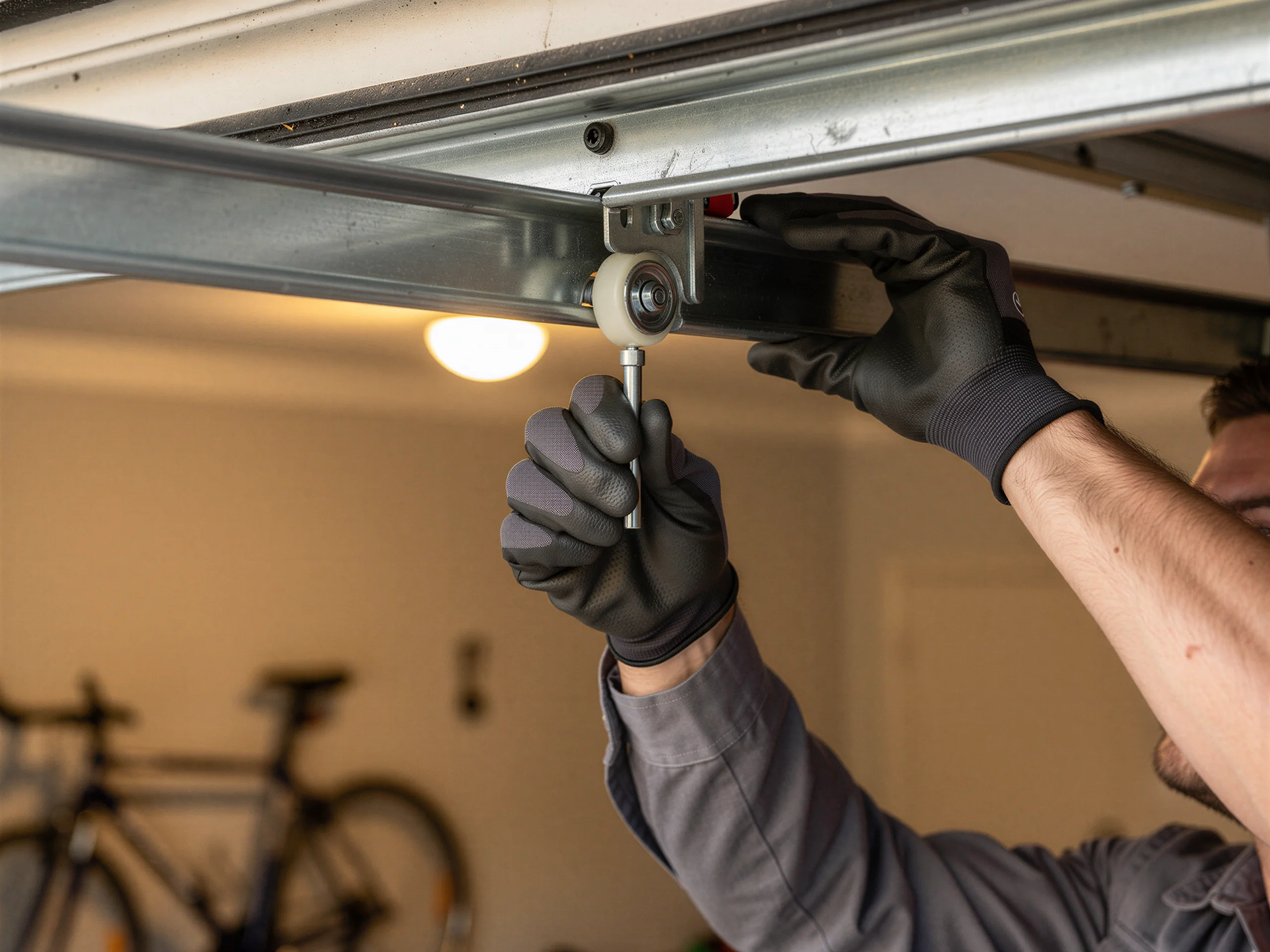
Where a homeowner can reasonably do their own work: swapping weatherstripping, replacing a cracked window insert in an existing panel, or oiling hinges and rollers on a door that already opens fine. None of that requires touching the header or the spring system.
Stop-and-call boundaries
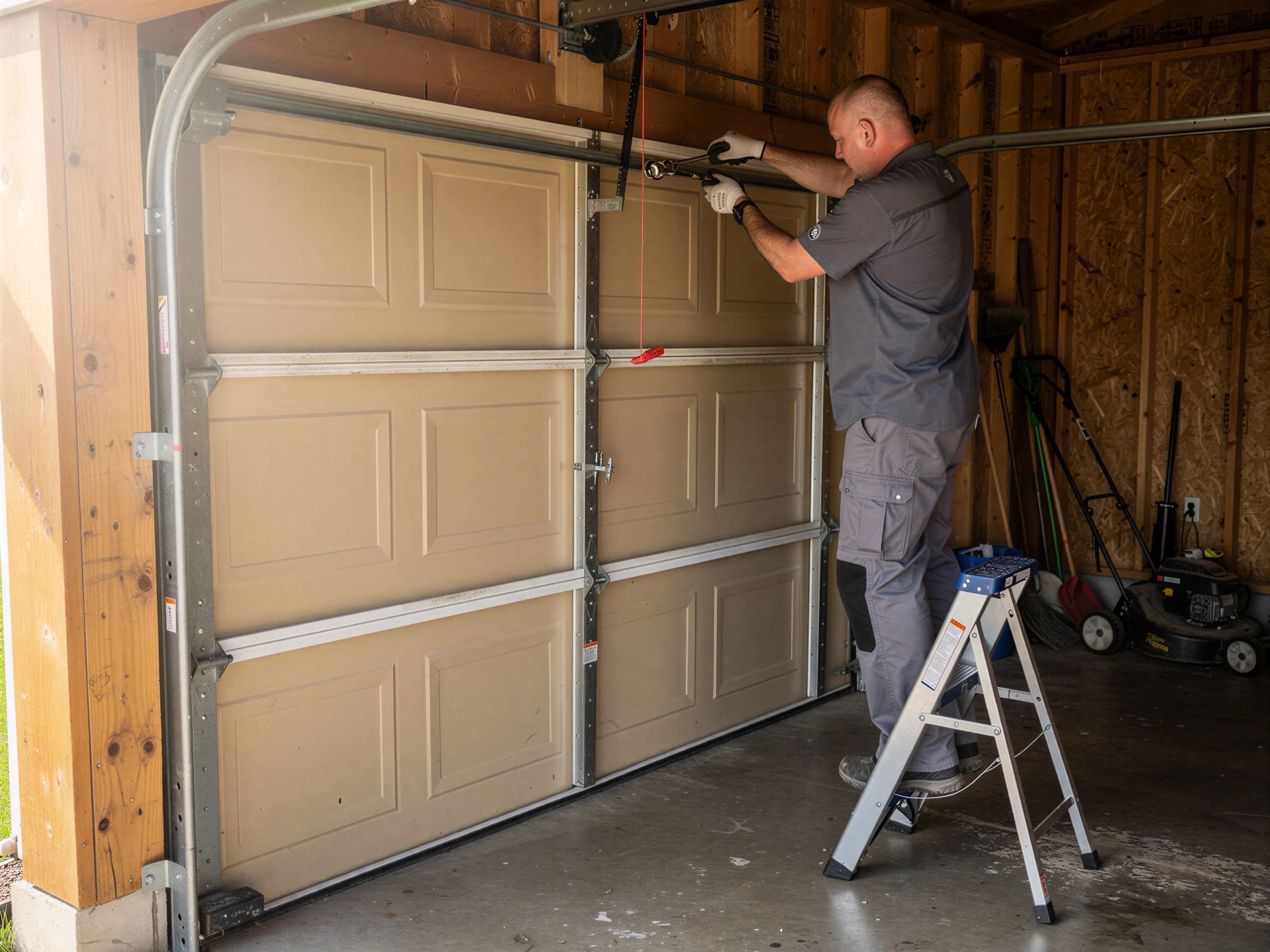
Where we'd tell you to stop and call: anything involving the torsion bar, anything involving resetting the track to a wall that's out of plumb, and anything where the opening has shifted enough that the new door won't sit flush without shimming the frame. That last one is common enough in older Deer Park construction that we check for it before quoting the job, not after.
What Causes It Around Here
The climate here runs mild with occasional freeze risk, which isn't the kind of stress that cracks a slab outright, but it does mean seasonal expansion and contraction on steel track and aluminum trim year after year. Combined with a housing stock that's mostly 1980s and 90s vintage, the failure we see leading to a full replacement - rather than a repair - is usually the track and header assembly aging together, not one dramatic event.
Deer Park's median build year of 1981 puts a meaningful share of its garages at the point where the original door, spring, and opener are all original equipment or close to it. When one part fails, the other two usually aren't far behind, and trying to repair piece by piece on a door that old often costs more over a year than replacing it once.
We don't see hurricane-grade wind load issues driving most of these calls - this is a mild-climate area, not a coastal wind zone - but we do see hardware that was adequate for 1981 code and isn't rated for what a modern opener and heavier insulated panel need.
The Cost of This Job
We don't have a flat number to quote here without seeing the opening, the headroom, and whether the frame needs correction - and we're not going to invent one.
Price drivers listed
What we can tell you is what moves the price: single versus double door, insulated versus uninsulated panels, and whether the existing track and header can be reused or need full replacement.
Insulated doors cost more
Deer Park's median household income runs $95,233, noticeably above the roughly $80,037 median across the wider service area, and homes here tend toward the kind of insulated, heavier panel doors that price accordingly compared to a basic uninsulated single door. That's not a guess about your specific house - it's the pattern we see on this side of the service area versus elsewhere.
Header work unpriced
The honest limitation: if your garage needs structural header work because the opening has shifted, that adds a line item we can't price over the phone. We'd rather tell you that up front than lowball a quote and renegotiate on site.
What You Are Seeing
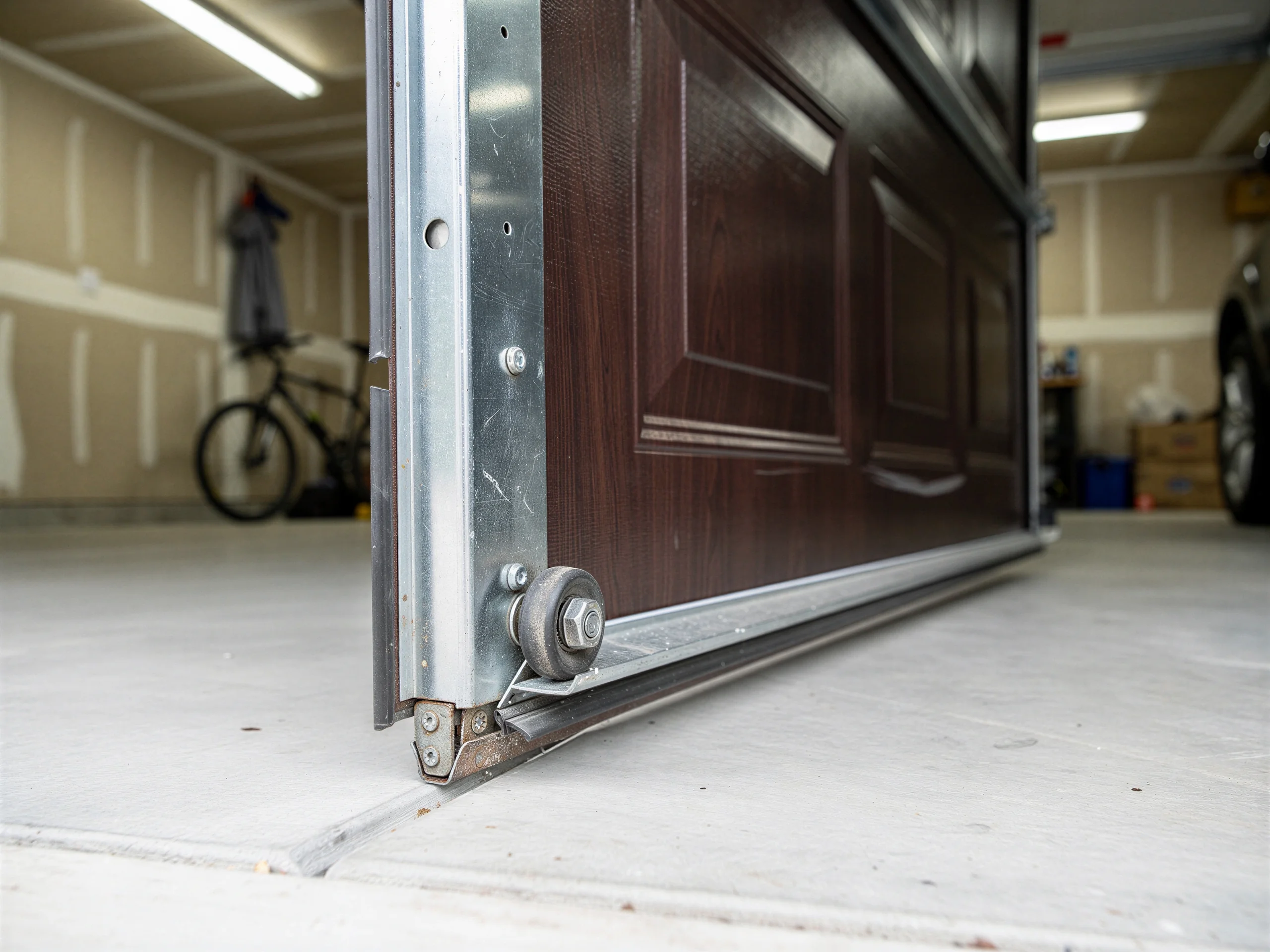
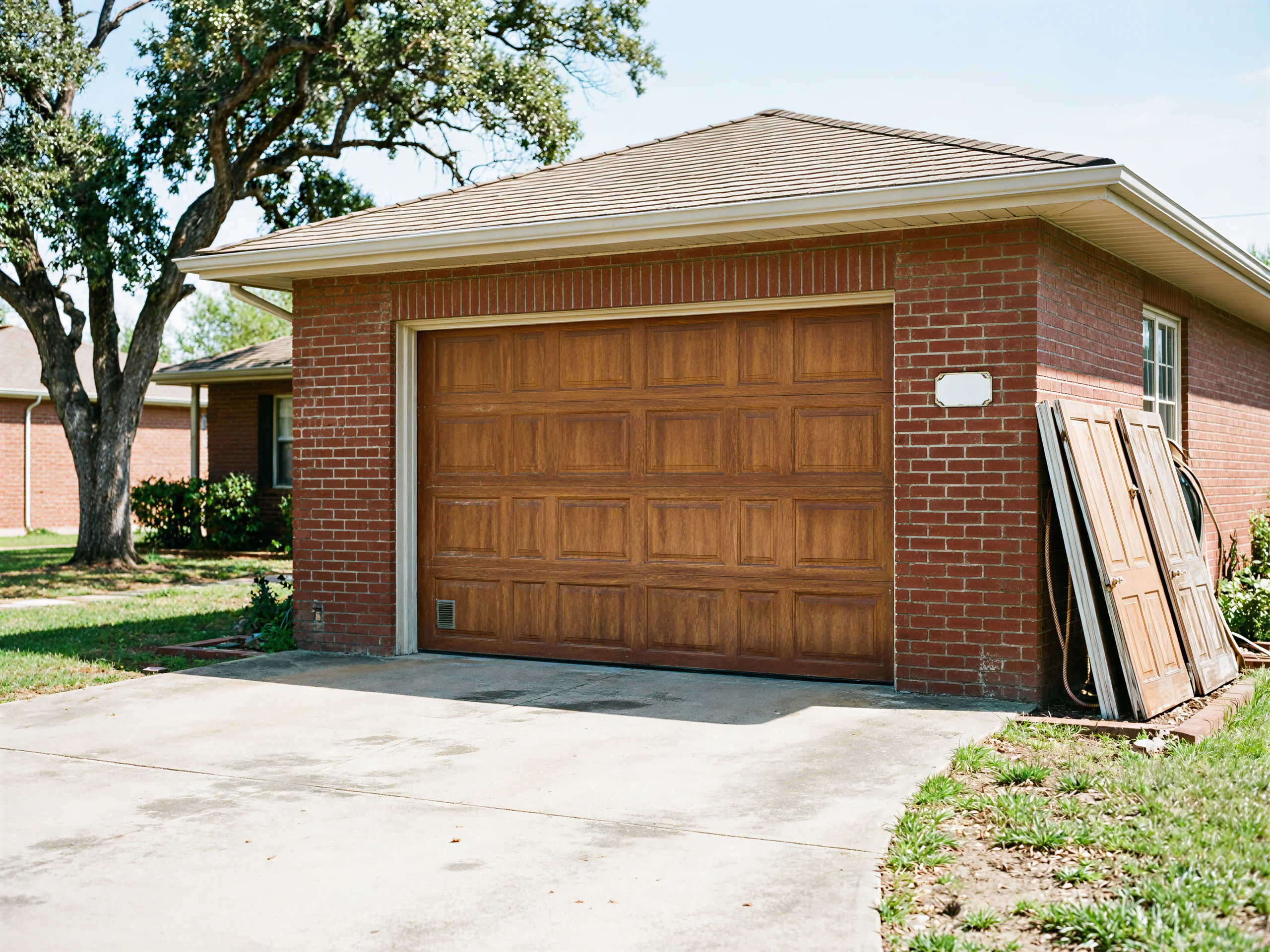
If your door is from the original 1981-era build, the signs it's time to replace rather than repair again: the panels have visible rust-through at the bottom seam, the track has been bent and straightened more than once, or the opener is a chain-drive unit that's louder every month. None of those are emergencies, but none of them get better either.
A newer symptom worth watching in this climate band: hardware that's stiff in the cooler months and loose again once it warms up, which points to metal fatigue rather than a one-time adjustment fixing it. That's a door nearing the end of its service life, not one that needs a spring swap and another five years.
If you're not sure which category your door falls into, we'd rather look at it in person than have you spend money on a repair that doesn't hold. We travel out from Pasadena for Deer Park calls, so a quick phone description of the symptoms helps us bring the right parts the first time.
Talk to a local pro
Garage door service in Pasadena?
Same-day service with honest, upfront quotes.