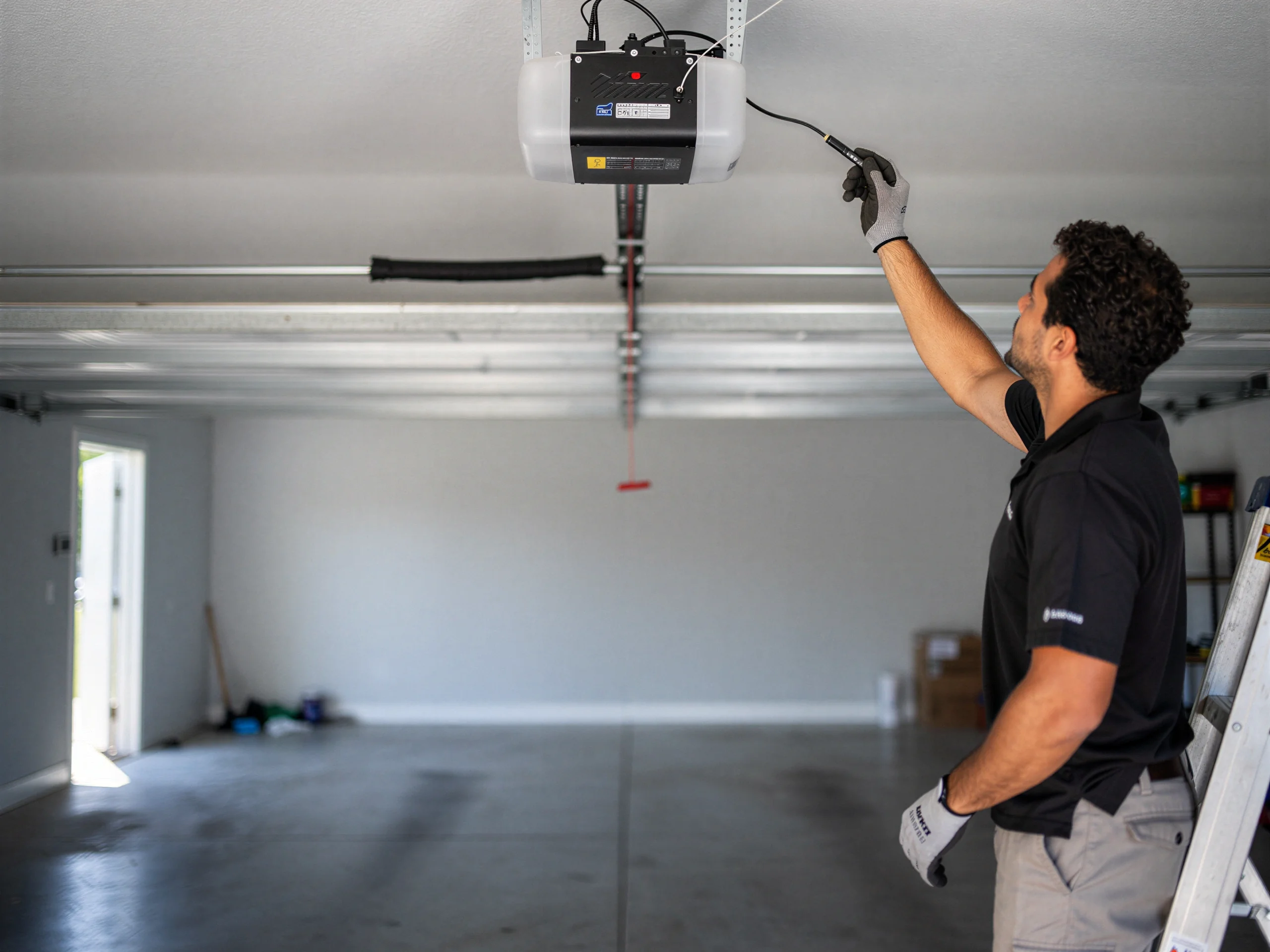
What Is on the Truck
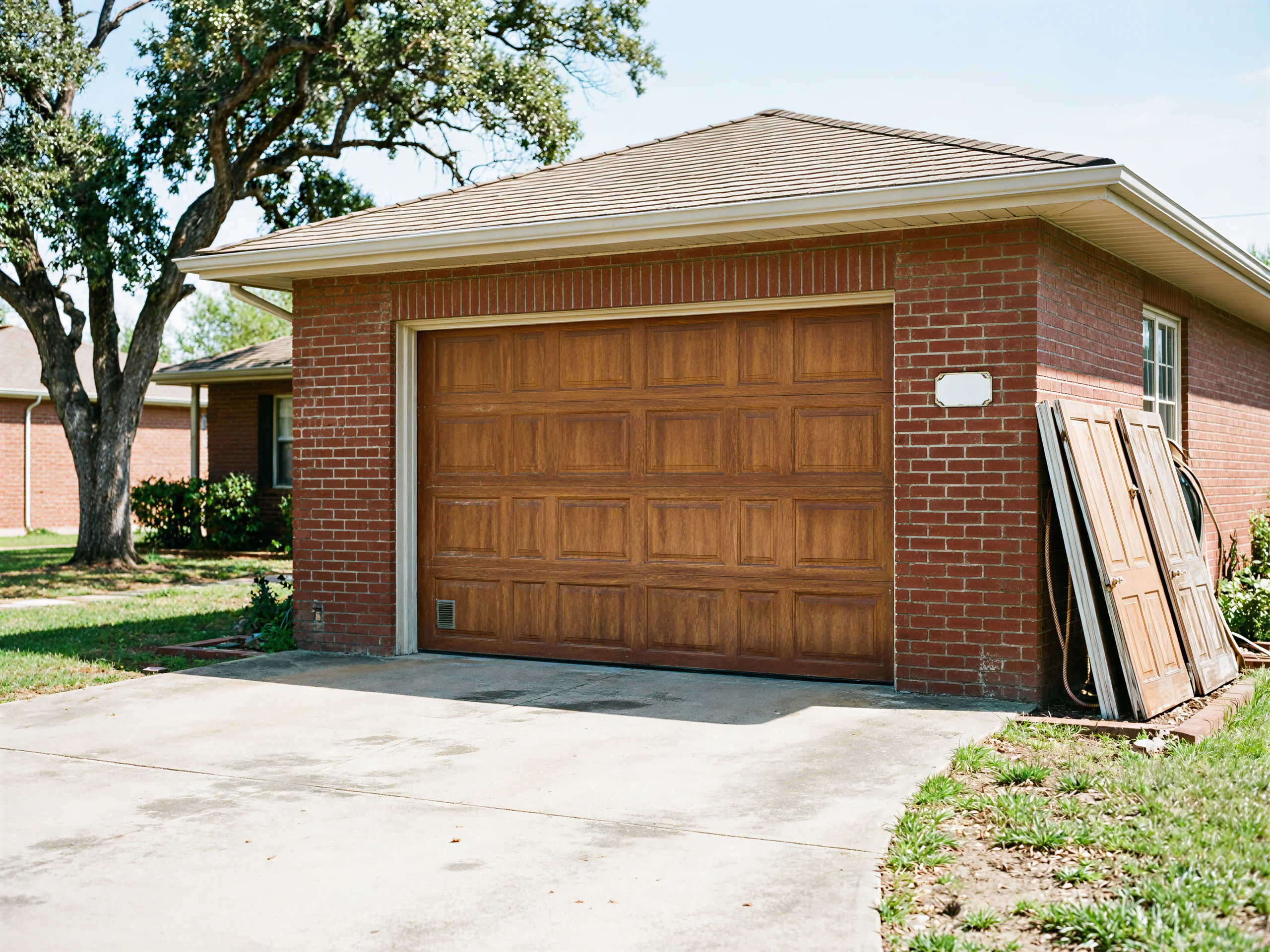
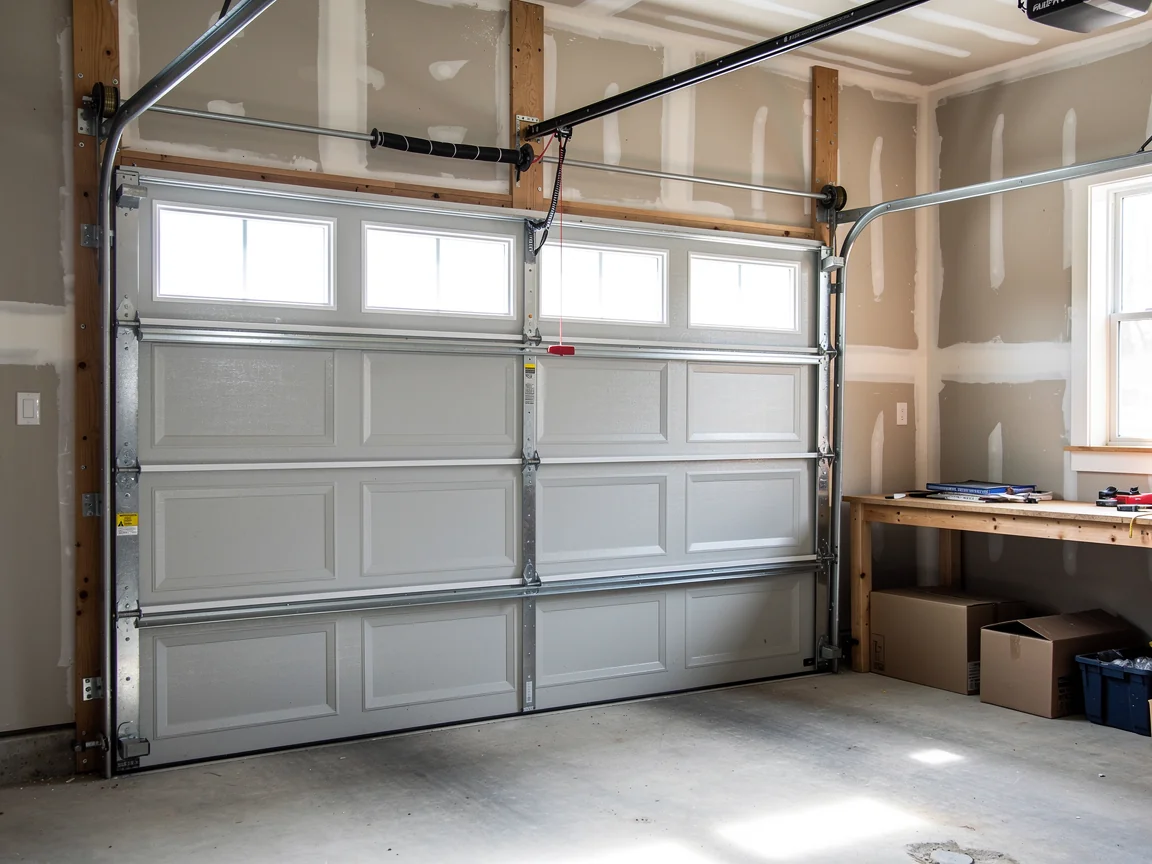
Deer Park's housing stock centers on a median build year of 1981, which means most doors here are steel sectional panels on steel vertical and horizontal tracks, hung with galvanized rollers that were never sealed or nylon-coated - that came later.
Heavy wide-door panels
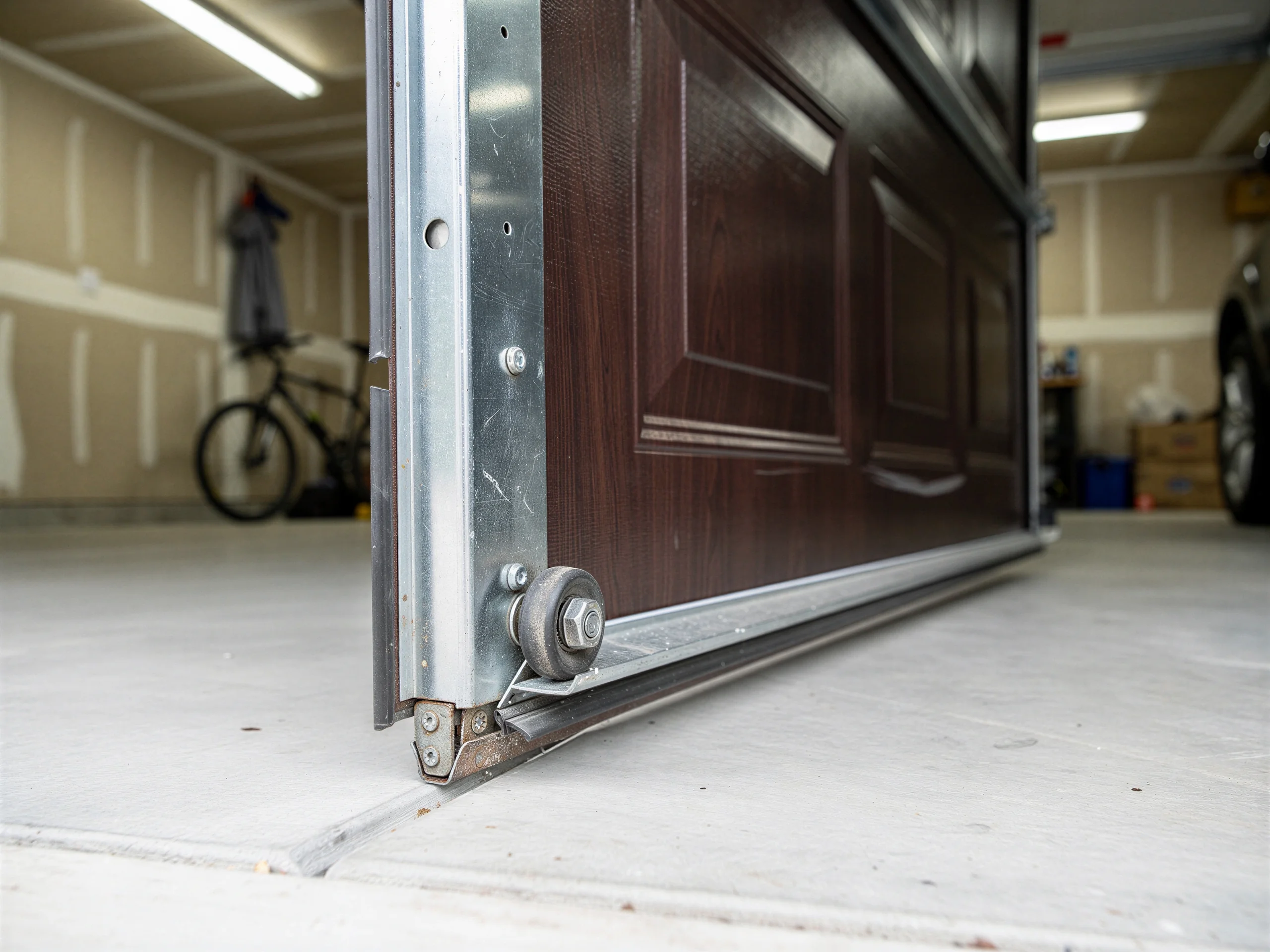
A door built to that spec runs 16 feet wide for a double bay or 9 feet for a single, non-insulated in a lot of cases, and heavier per panel than anything made today. When a door of that weight jumps track, it usually takes the bottom roller bracket or a track bolt with it.
Re-setting bent rails
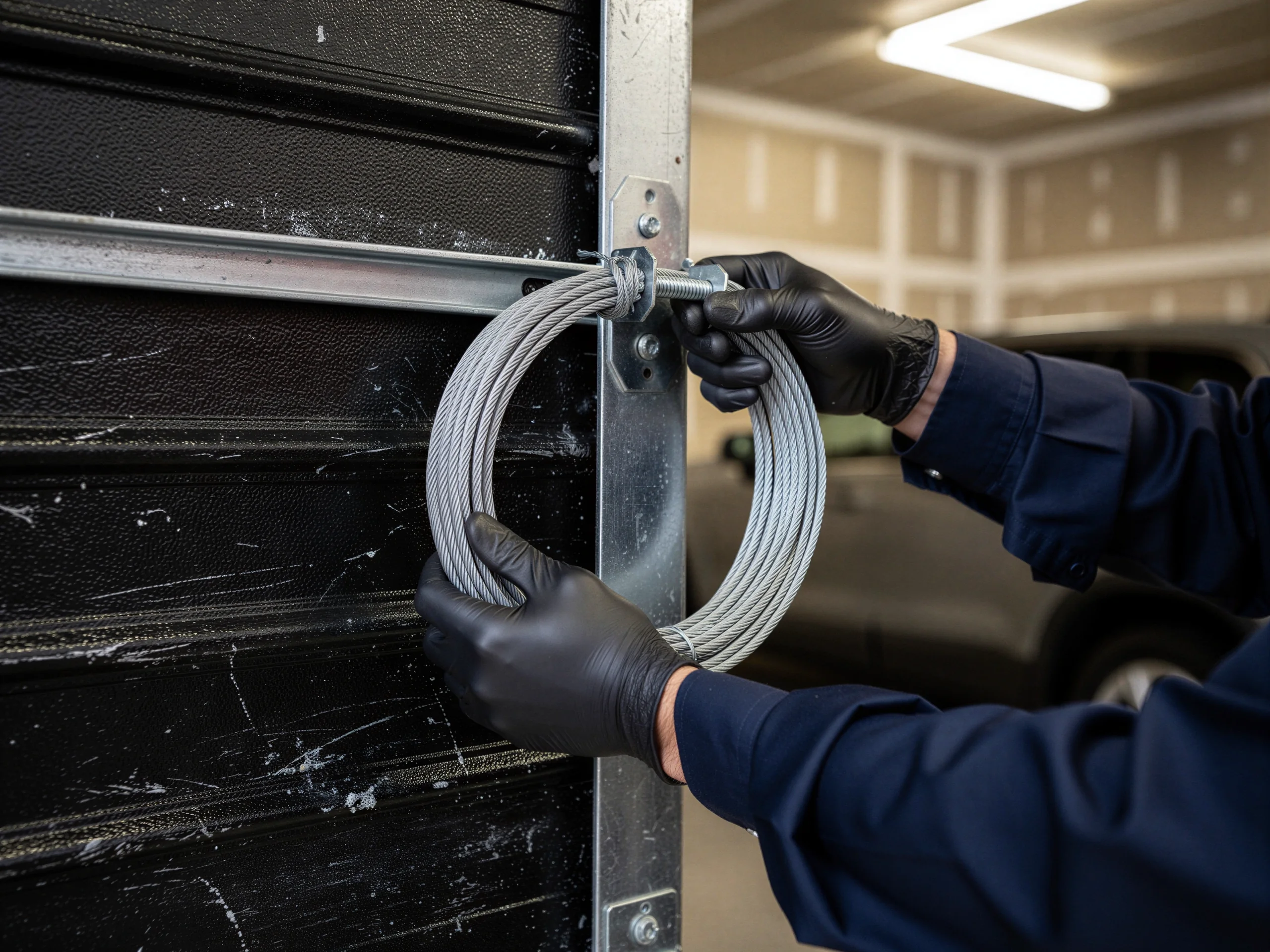
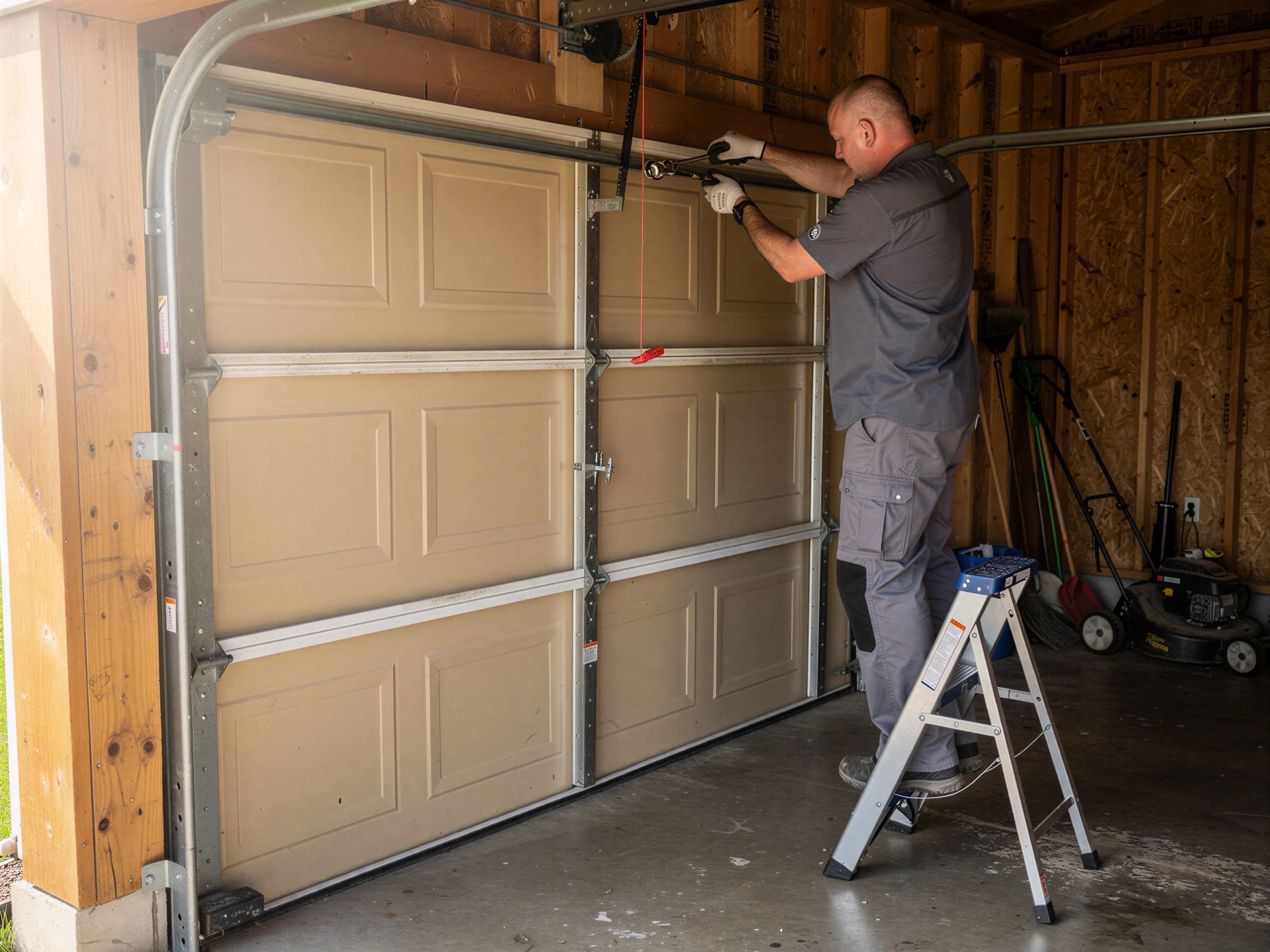
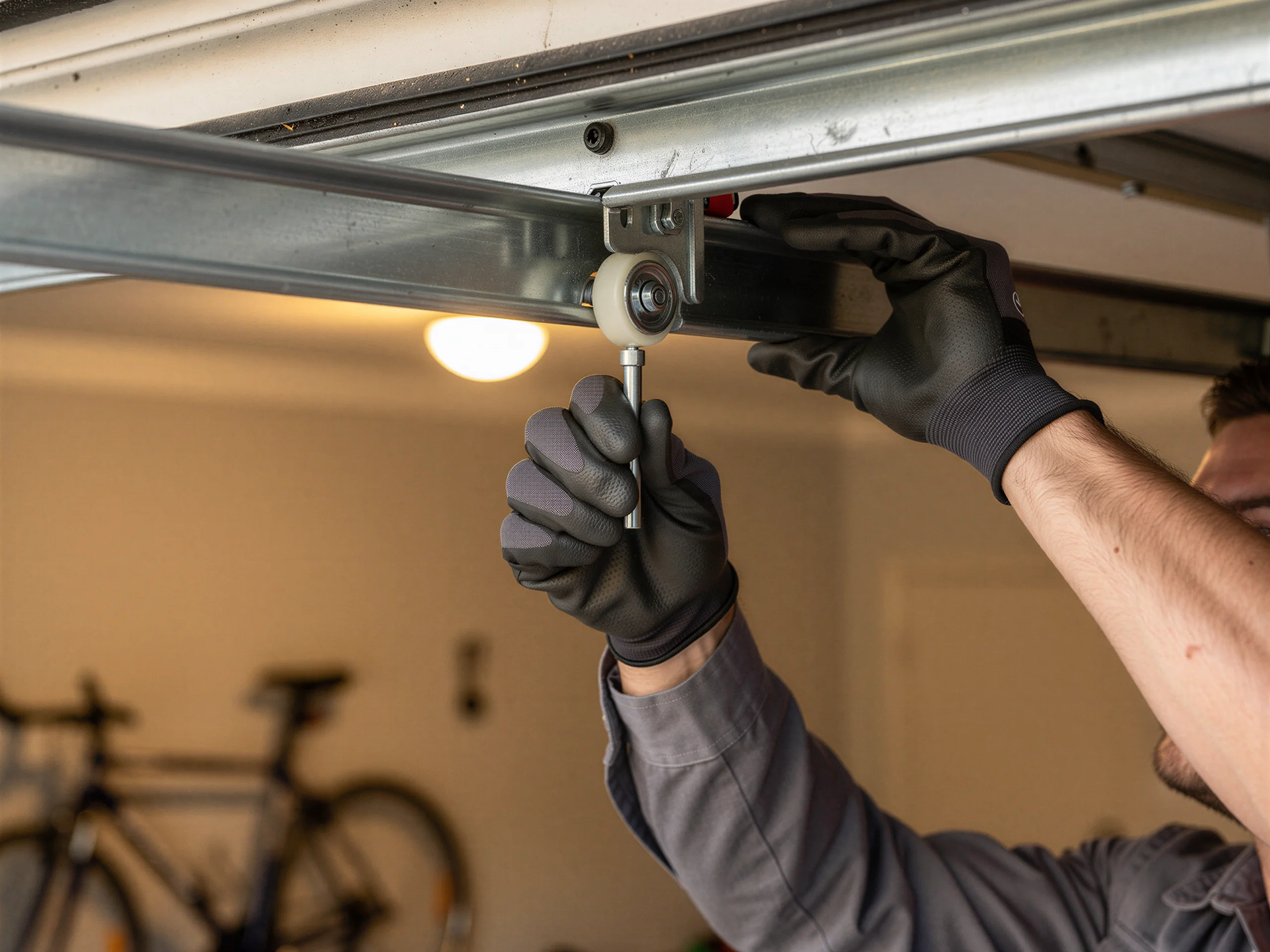
The truck carries replacement rollers sized for that older track gauge, track sections, and the hardware to re-set a bent rail rather than just muscle the door back on. We also carry cable and a spare bottom bracket, because on a door this age the bracket is as likely to have failed as the roller.
Matching decades-old hardware
We come from Pasadena, about 3 miles out, so the drive isn't the delay - matching the hardware to a door that's forty-plus years old sometimes is. If your door was swapped out for a newer one at some point, the fix is simpler and faster. If it's original to the house, tell us that up front.
Doing It Yourself
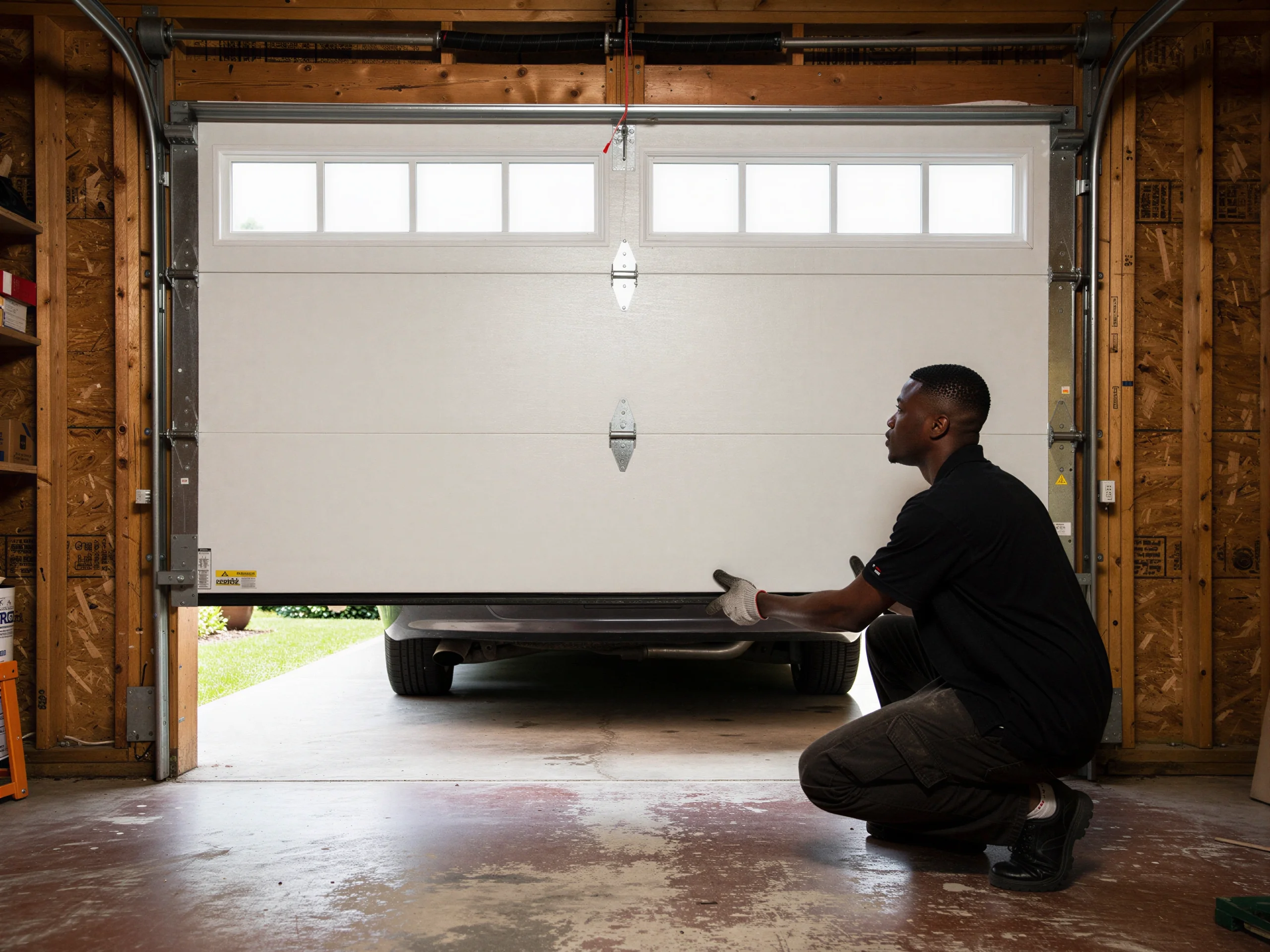
You can push a derailed door back onto a steel track yourself if the roller simply popped out of the rail and the track itself isn't bent - that's a real possibility and we'd rather you save the trip charge. What you can't safely fix is a track that's bowed inward or a bottom bracket that's cracked, because both of those are under spring tension and let go without warning. On a 1980s-built door the springs are original-style extension or torsion units, and neither forgives a DIY mistake the way newer safety-cabled systems sometimes do.
The honest limit here: if the door came off because a cable snapped or a spring let go, do not attempt to reset the track yourself. That's not caution for its own sake - a loaded door on a single remaining cable can swing and drop. Call for that one.
What Causes It Around Here
Deer Park sits in a mild climate with occasional freeze, and the swing between a humid summer and a cold snap works on steel track and galvanized rollers over decades, especially on doors original to houses built around 1981. Track bolts loosen in the wood jamb a little every season, and once there's enough play, a hard stop on the opener or a slightly off-balance door will walk the roller off the rail. Across the wider service area, most houses were built between 1956 and 2010 with a median around 1984, so Deer Park's stock sits right in that same window - original hardware is common, not rare, on this side of things.
The other common cause isn't weather at all: a bent track from a car bumper tap or a stored bike leaned against the rail. That bends the gauge just enough that the roller rides up and off on the next open-close cycle.
The Cost of This Job
We don't publish a flat number here because the range on an off-track call is wide - a door that simply needs the roller reseated and a track bolt tightened is a short job, while a door with a bent track section, a cracked bottom bracket, and a roller that's worn its sleeve down is three separate repairs under one call.
Repair versus replace decisions
Deer Park's median household income runs higher than the service-area average, at $95,233 against a wider-area median of $80,037, but that doesn't change what the job costs - it changes what repair versus replace decision makes sense for a given household.
Set replacement saves later
On a door built in the early 1980s that's already shown one hardware failure, replacing the track and rollers as a set is often cheaper over time than patching one side and leaving the other original.
What You Are Seeing
If the door is sitting crooked in the opening, with one corner lower than the other, that's usually a roller off the track on one side only - the opposite side is still riding. If the whole door is canted and won't move at all, something let go on both sides or a cable snapped, and that's not a push-it-back-on situation. A grinding or scraping sound right before it happens is the roller riding the edge of a bent rail rather than the channel itself; that's a track problem, not a spring problem, and it's worth describing exactly which sound you heard when you call, because it tells us which parts to load before we leave Pasadena.
Talk to a local pro
Garage door service in Pasadena?
Same-day service with honest, upfront quotes.