Getting It Booked In
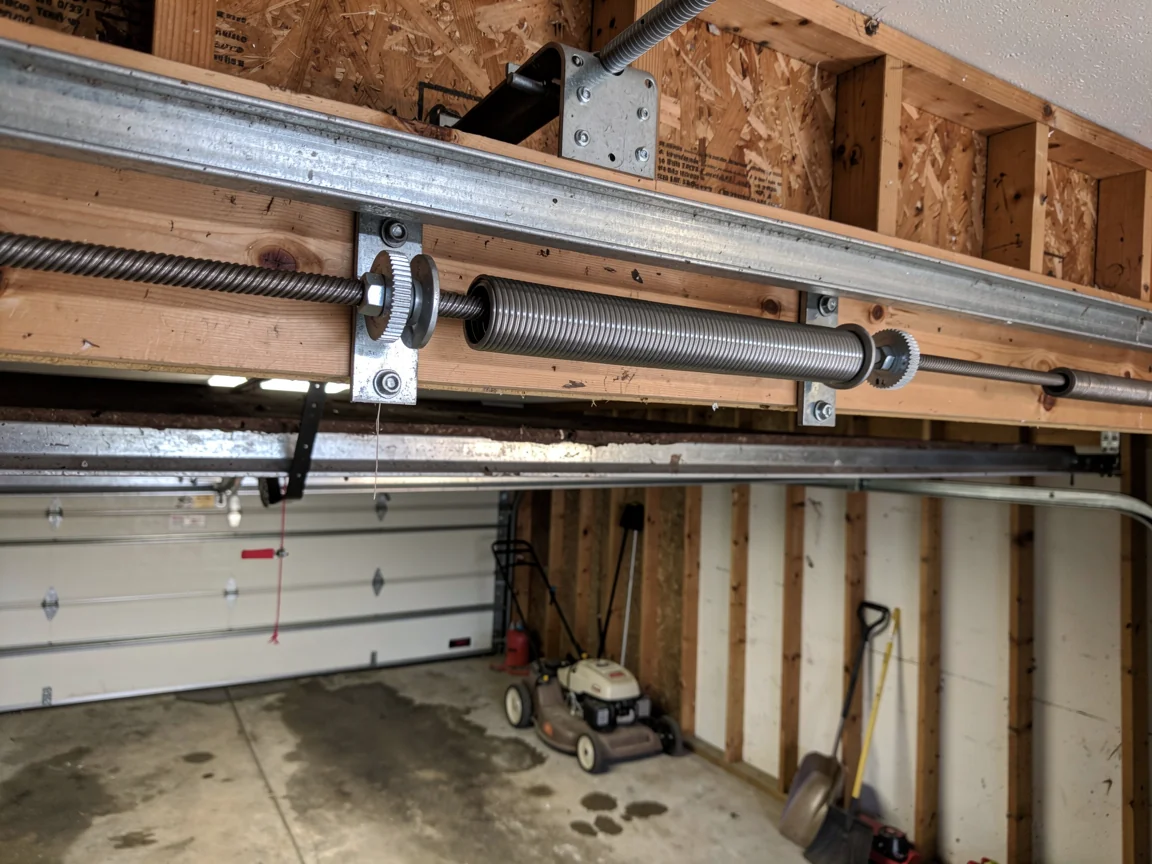
West University Place sits about 17 miles out from our Pasadena shop, which is farther than most of the stops on our route, so a same-day slot here depends on what's already on the truck that morning. When you call, tell us the door is a steel sectional panel - most houses in this part of town went up around 1991, give or take a few years either side, which means a torsion spring system mounted above the opening rather than the older extension-spring setups you'll find on pre-1980s stock elsewhere in the service area. That one detail lets us bring the right spring size the first trip instead of a second one. We don't keep a branch in West University Place, so every job here is a drive from Pasadena - worth knowing if you're hoping for a quick drop-by versus a scheduled visit.
What Can Go Wrong
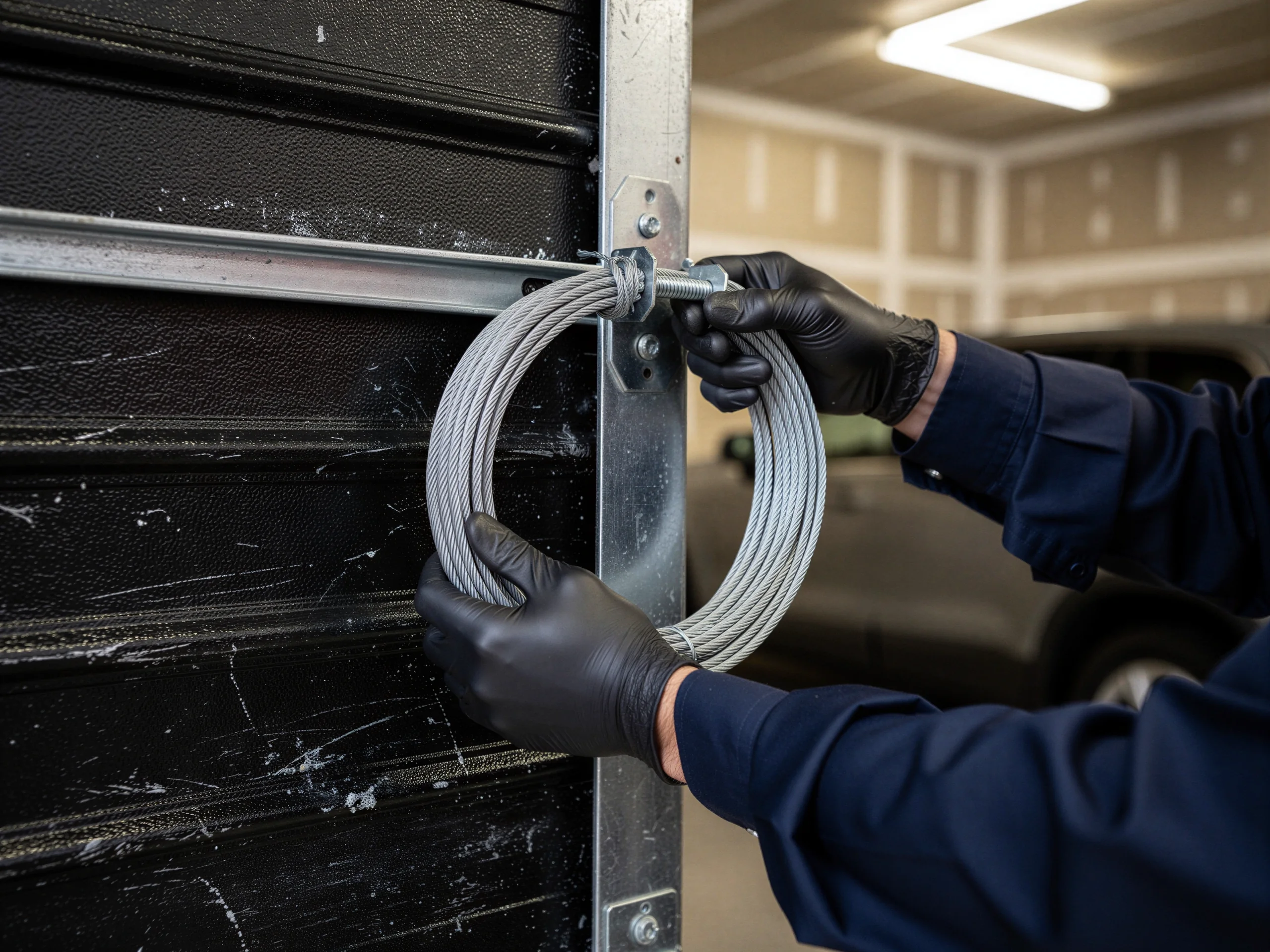
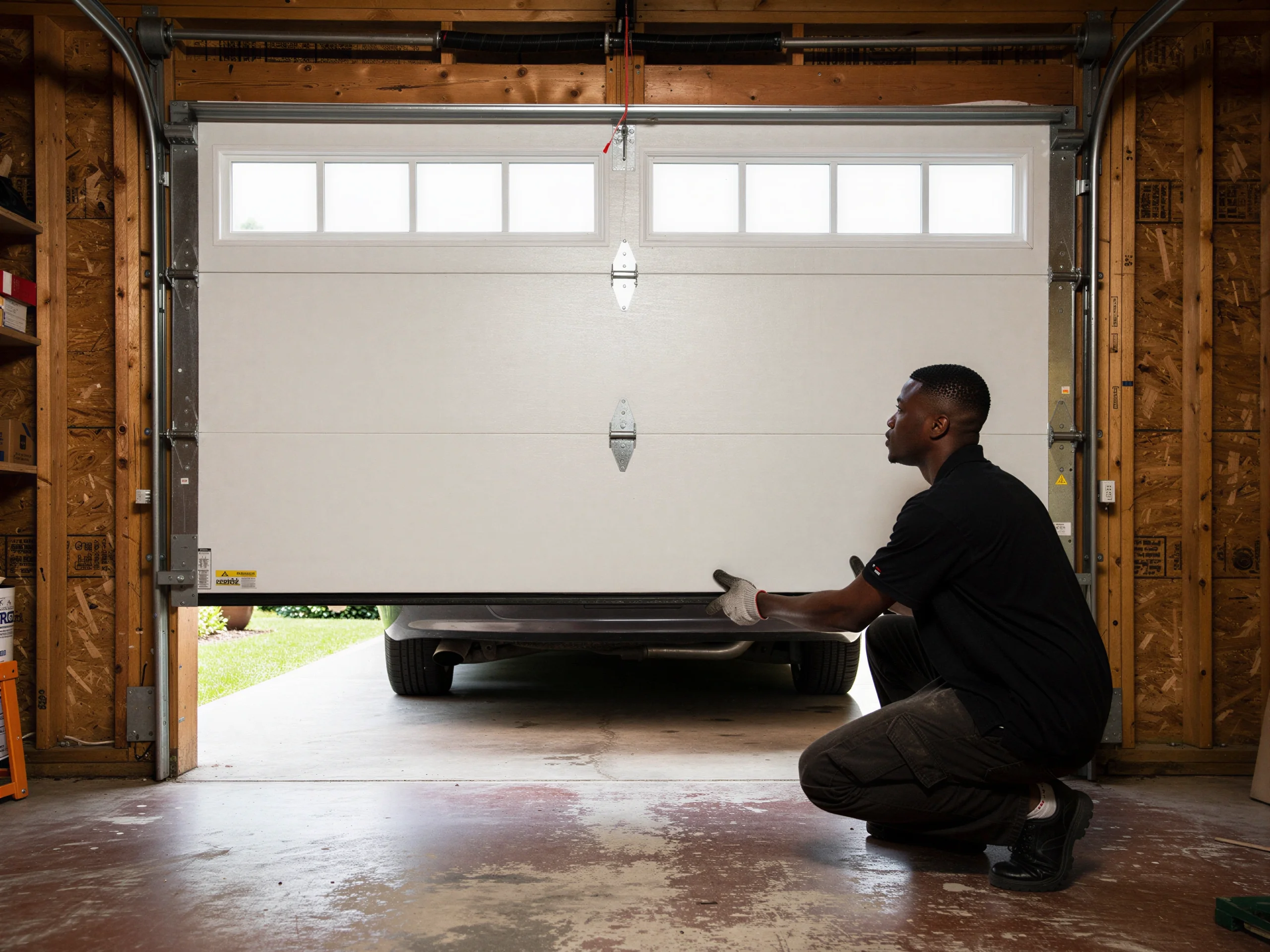
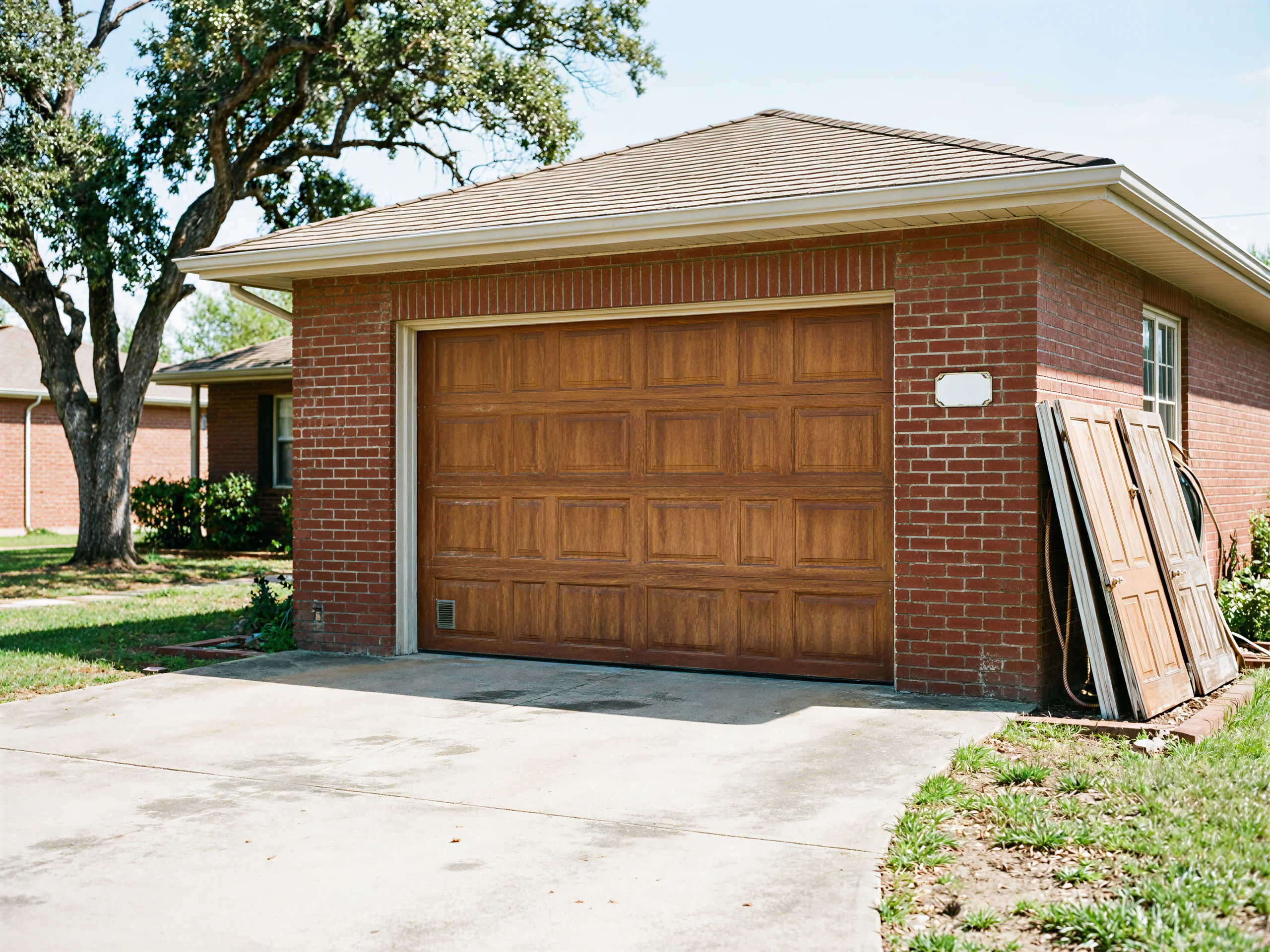
Doors from the early 1990s building boom are steel sectional panels, usually 16 feet wide for a two-car opening, hung on galvanized torsion springs rated for a specific door weight.
Spring life runs out
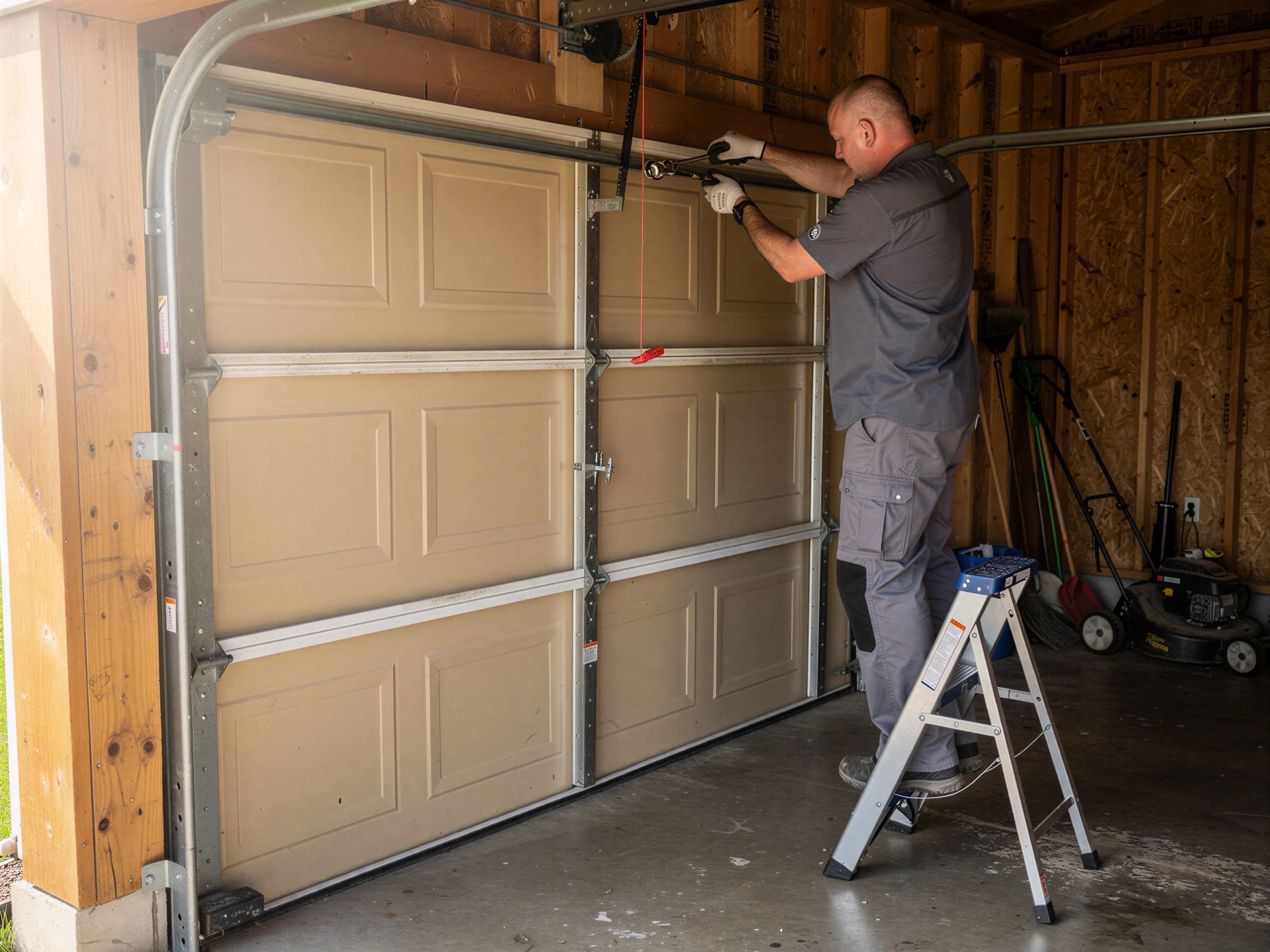
The failure we see most on houses this age is the torsion spring itself going - it's a 15-to-20-year part, and a lot of this stock is past that window now.
Chain-drive boards fail sooner
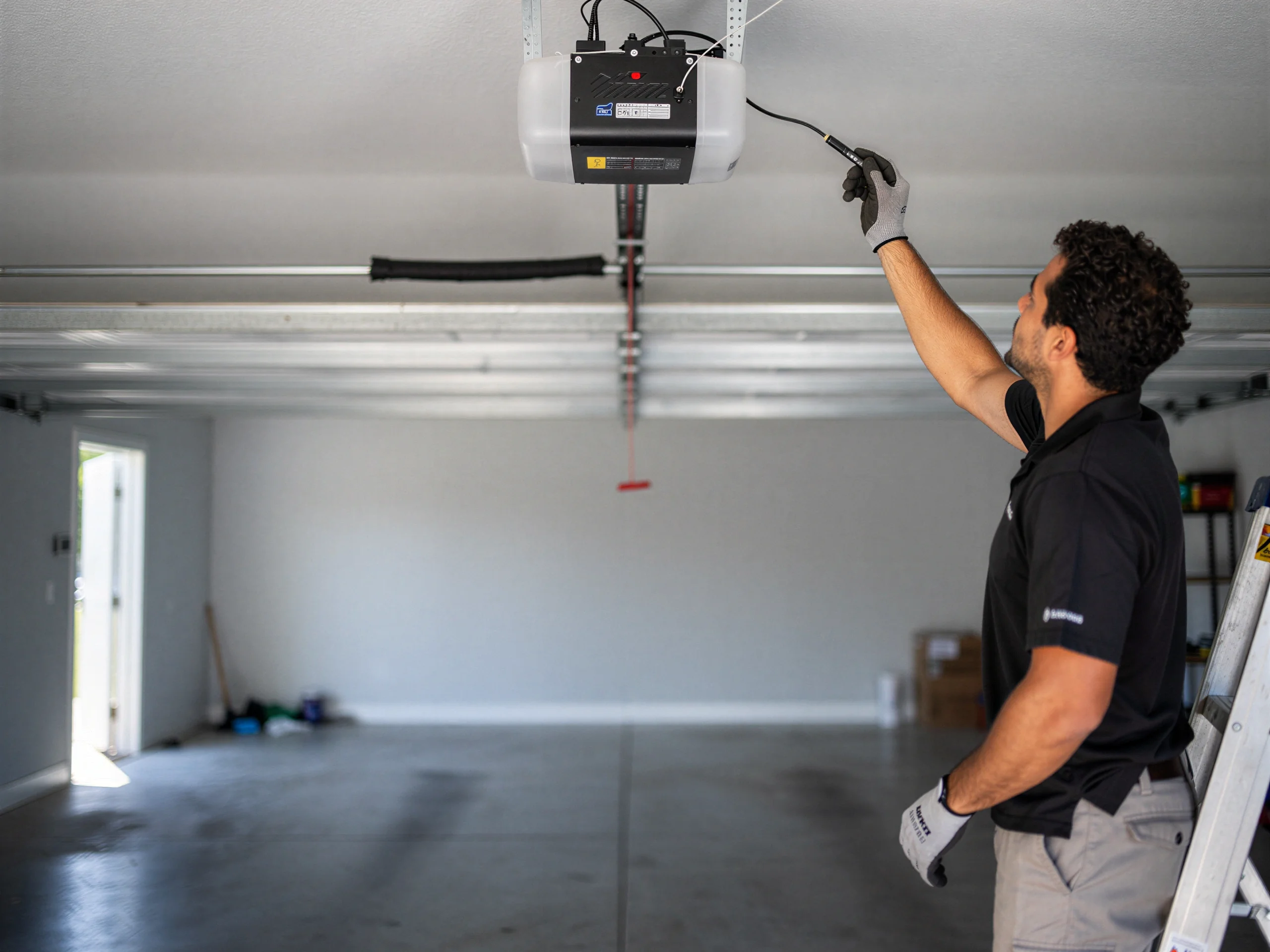
After the spring, the next common call is the opener: chain-drive units from that era are mechanical and simple, which is good for repair, but the circuit boards and safety sensors don't last as long as the steel does, so a door that lifts fine by hand but won't respond to the wall button or remote is usually an opener problem, not a door problem.
Rattling rollers bind mid-cycle
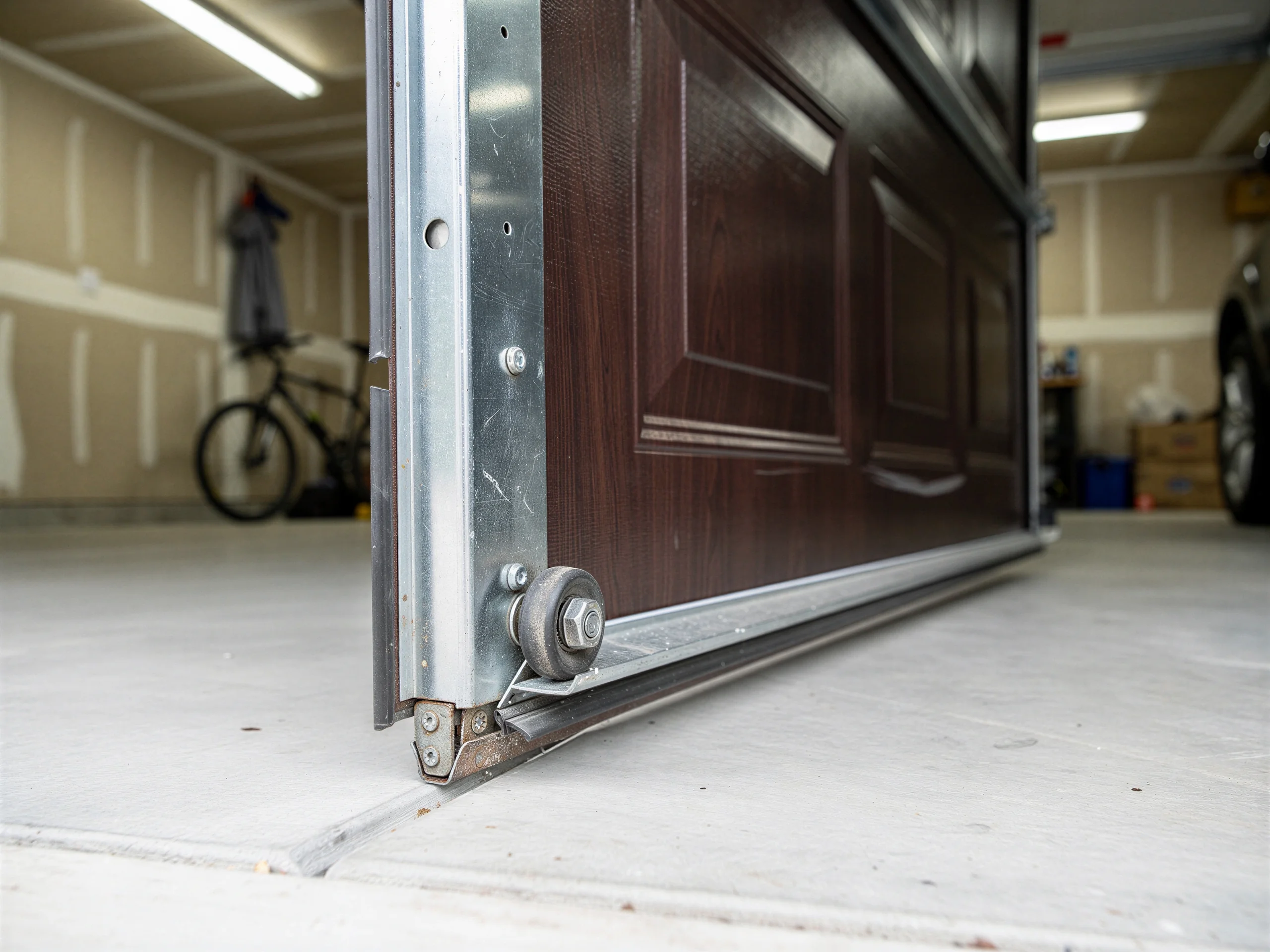
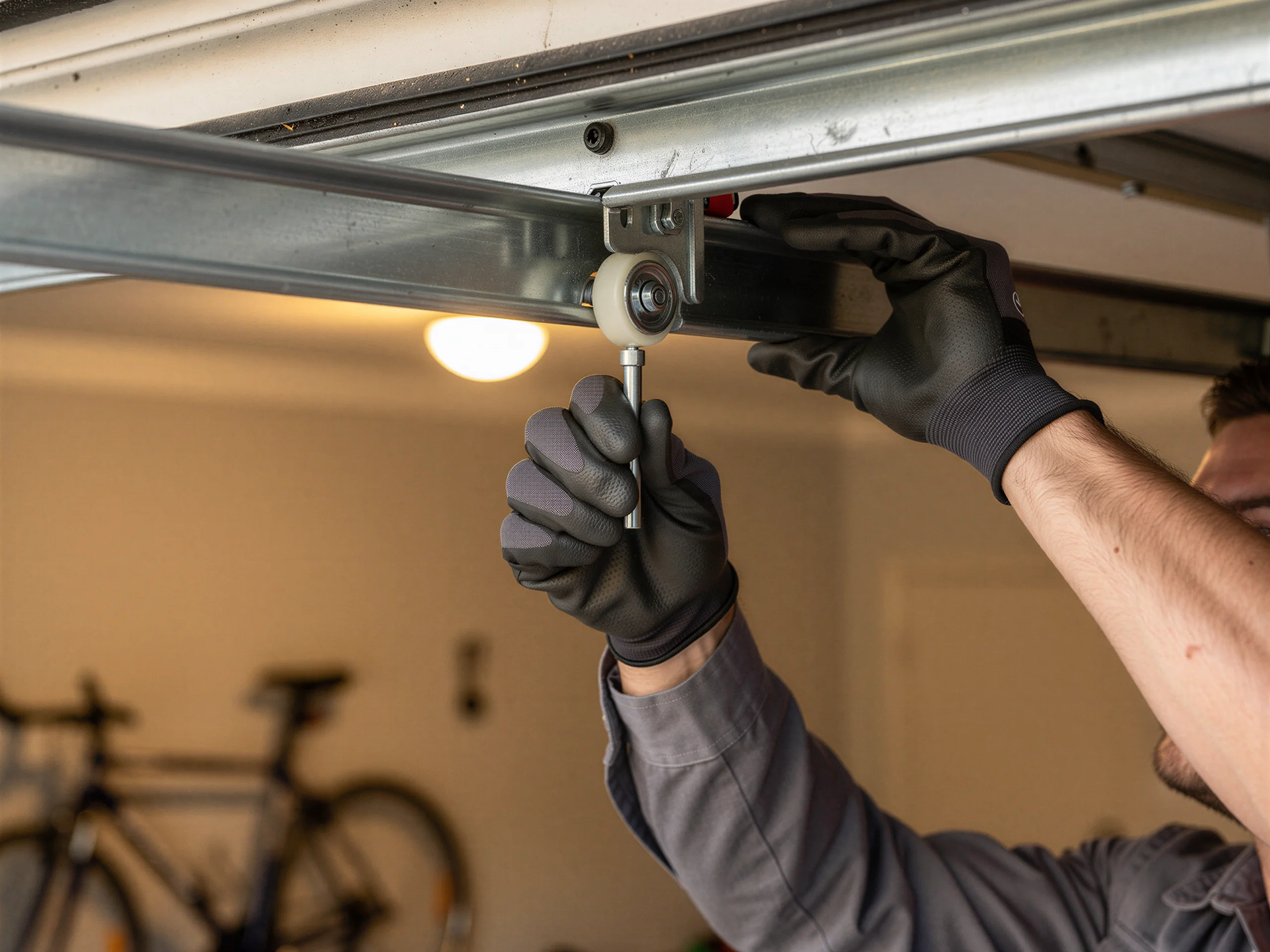
Rollers on steel tracks from this build era also wear down to where the door rattles or binds partway up, especially on the two-car-wide doors common in this size of house.
What Causes It Around Here
The Gulf Coast climate this area sits in is mild with occasional freeze days, not the deep-freeze cycling that cracks hardware up north, but the humidity swings do their own damage over 30-plus years - galvanized torsion springs lose tension gradually under repeated heat and moisture rather than snapping from cold. On a door this size and age, that shows up as a spring that's visibly stretched or gapped when the door is down, which is the warning sign before the full break. West University Place's household income runs well above the wider service area's median of roughly $80,000, and what that tends to mean in practice is more insulated steel doors and heavier two-car panels installed as upgrades over the original builder-grade doors - which matters for spring sizing, because a heavier insulated door needs a stiffer spring than the door it replaced, and that's a common mismatch we find when a newer door was never paired with new torsion hardware.
The Cost of This Job
We don't have a flat price to quote you here, because spring size, door weight, and whether it's a one-spring or two-spring torsion setup all change the number, and we're not going to guess at it over the phone.
Repair usually wins here
What we can tell you is the shape of the decision: on a door this age, if it's the spring or the opener board failing, repair is usually the right call and costs less than you'd expect.
Rusted-through panels mean replace
If the door itself - the steel panels - is rusted through or the track is bent beyond straightening, replacement starts making more sense than patching it again in six months.
Diagnose by phone first
Given the distance from our Pasadena base, we try to diagnose as much as we can over the phone before the truck heads out, so you're not paying for a second trip on something we could have sized up the first time.
Talk to a local pro
Garage door service in Pasadena?
Same-day service with honest, upfront quotes.