Getting It Booked In
We run out of Pasadena, about 17 miles from West University Place, so a job here gets scheduled rather than walked in on. That's not a knock against the work - it just means we plan the trip and bring the right parts the first time instead of guessing on site.
Opener make and age
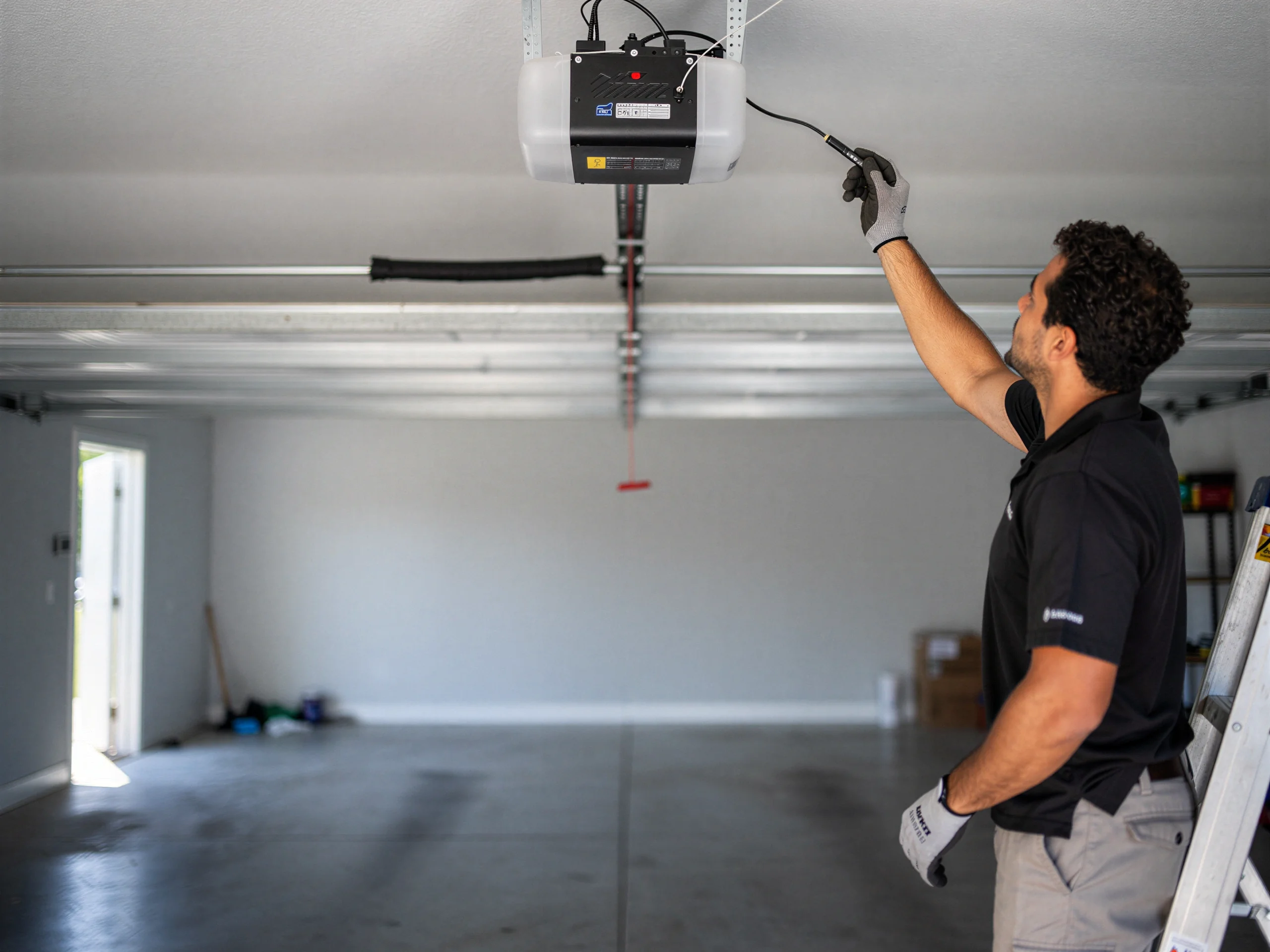
Tell us the make of your opener and roughly how old the door is when you call; for a neighborhood built mostly around 1991, that usually points us toward a specific generation of torsion spring and a specific opener drivetrain before the truck leaves the yard.
Dedicated trips every visit
We don't keep a branch or a drop-box in West University Place, and we're not going to pretend otherwise - every visit here is a dedicated trip, which is one more reason to describe the problem in detail up front rather than leave it vague.
Photos help identify parts
Booking is simpler when you know whether the door won't open at all, opens partway and stops, or makes a specific noise, because those point to different parts on a 30-plus-year-old setup. If you're not sure, a photo of the spring and the opener head helps more than a guess over the phone.
What Can Go Wrong
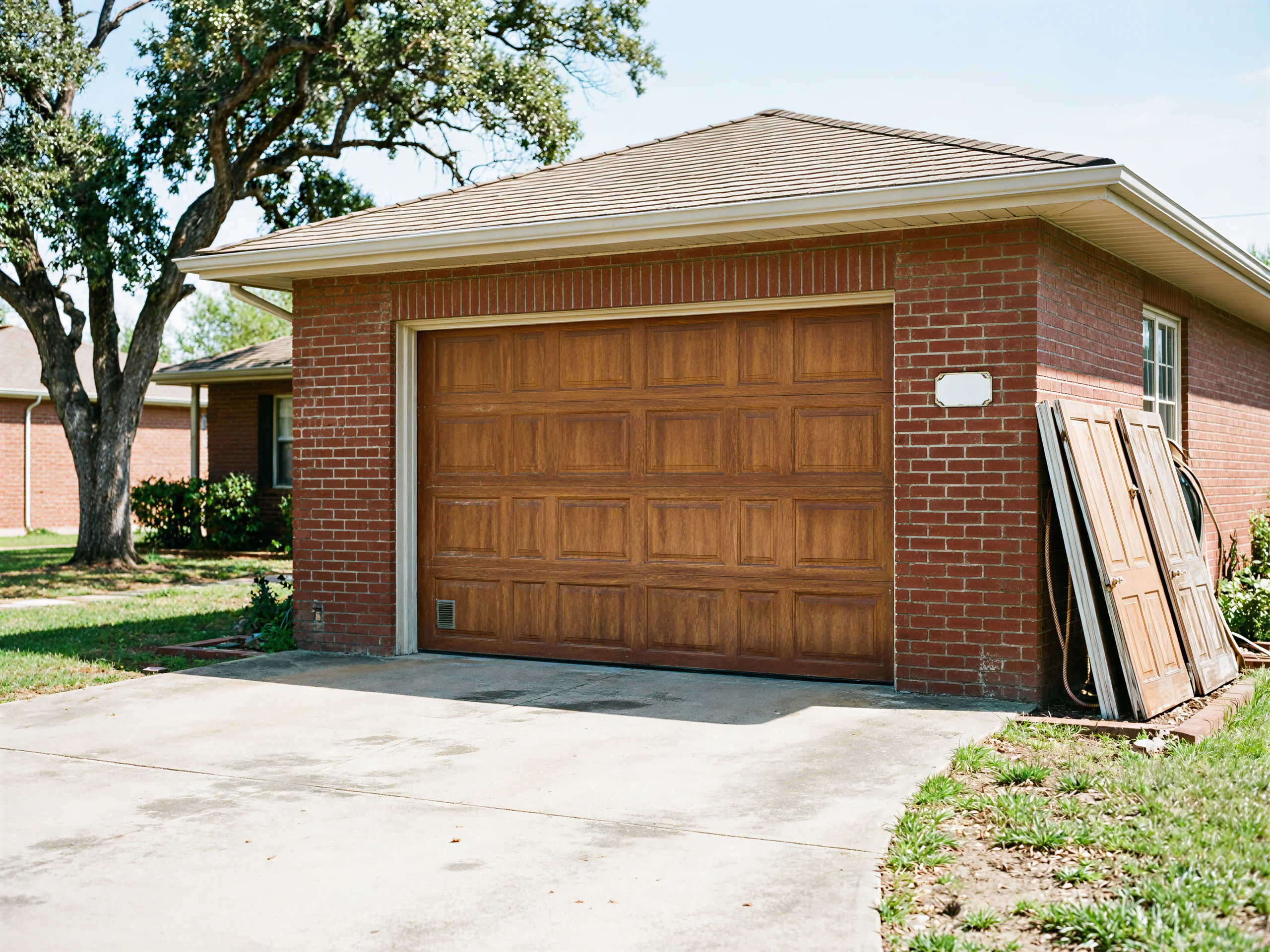
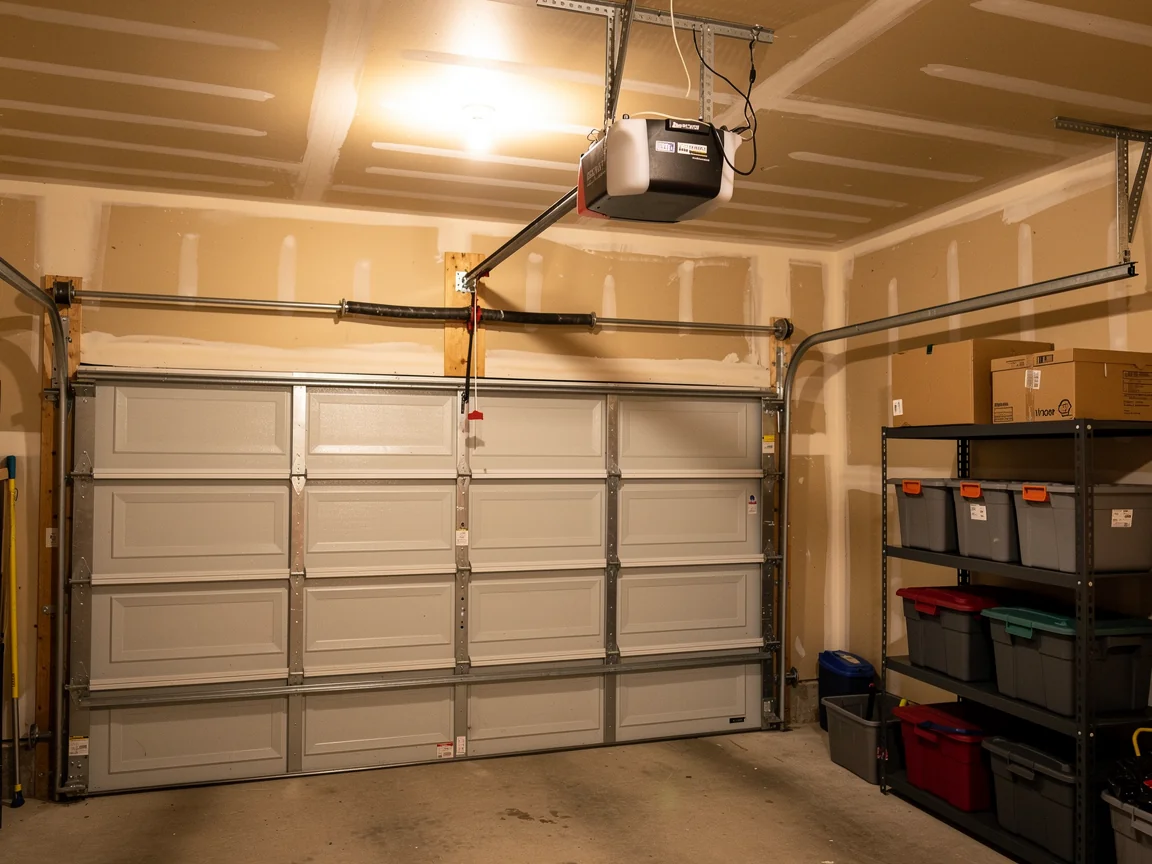
With a median build year around 1991, most garage doors in West University Place are now past or close to the end of their original spring life.
Springs fail regardless of care
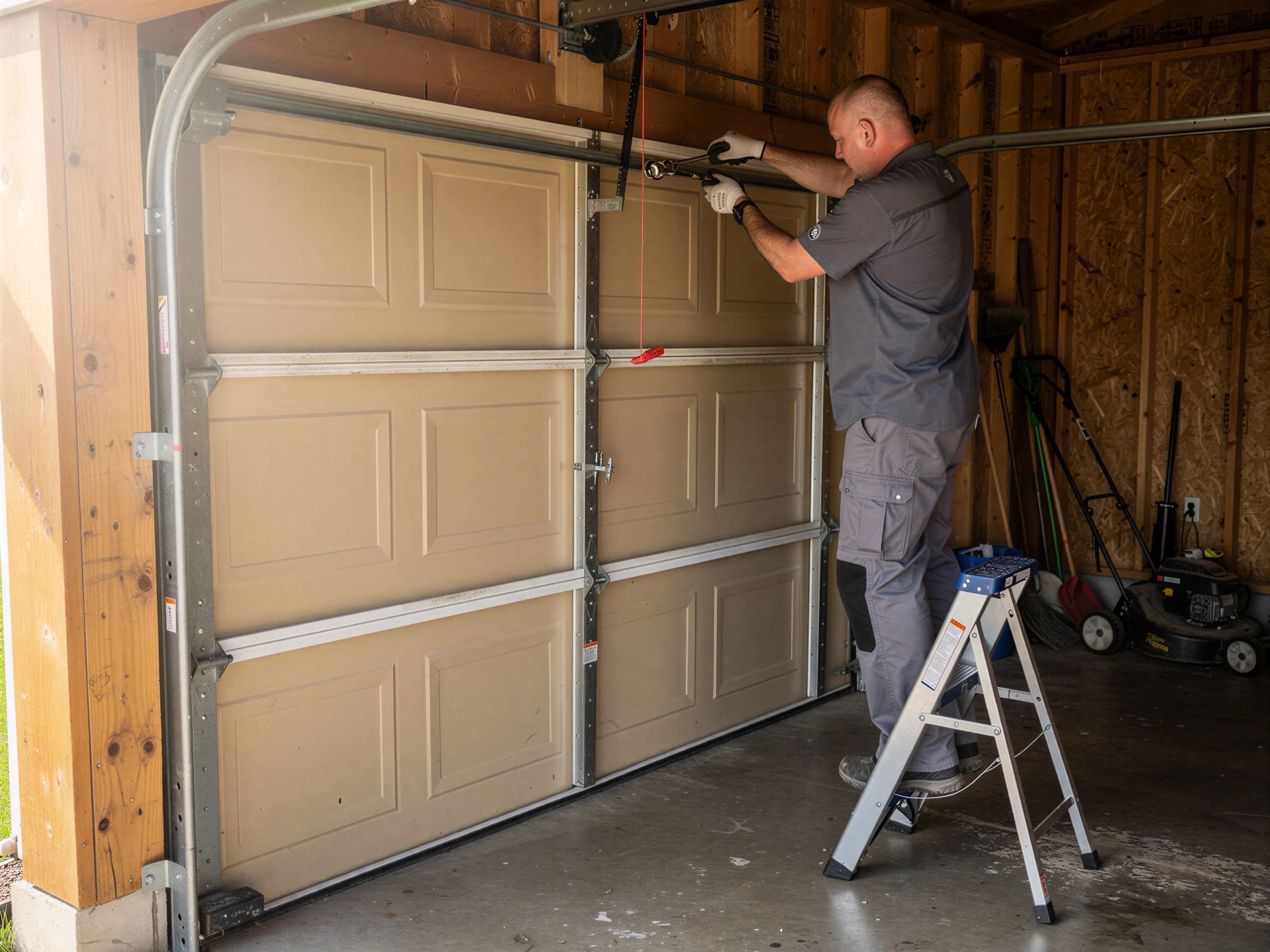
Torsion springs rated for a typical cycle count start failing in this window regardless of how well the door's been treated, and a lot of openers from that era are on their second or third circuit board already, not their first.
Unbudgeted worn parts
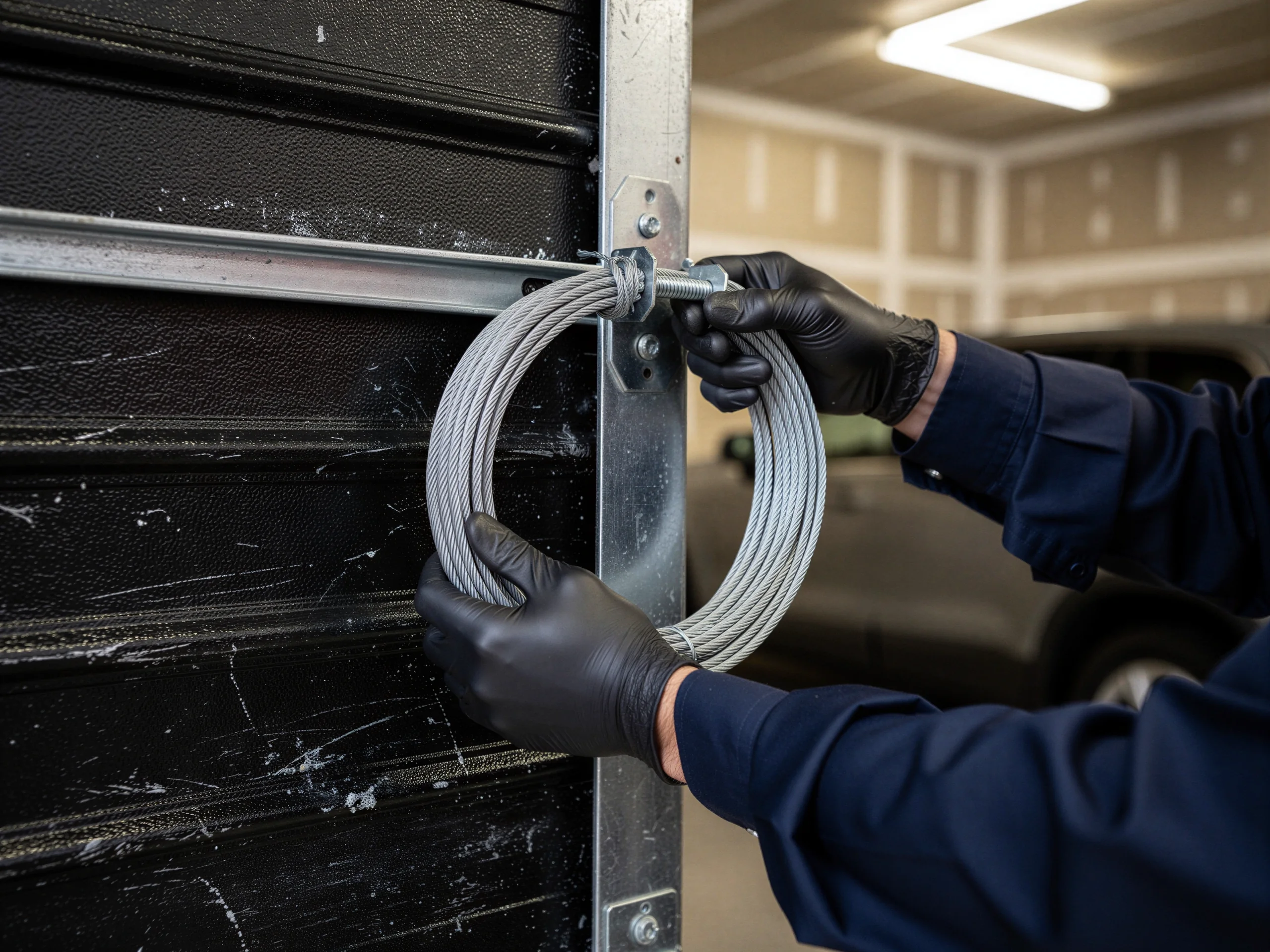
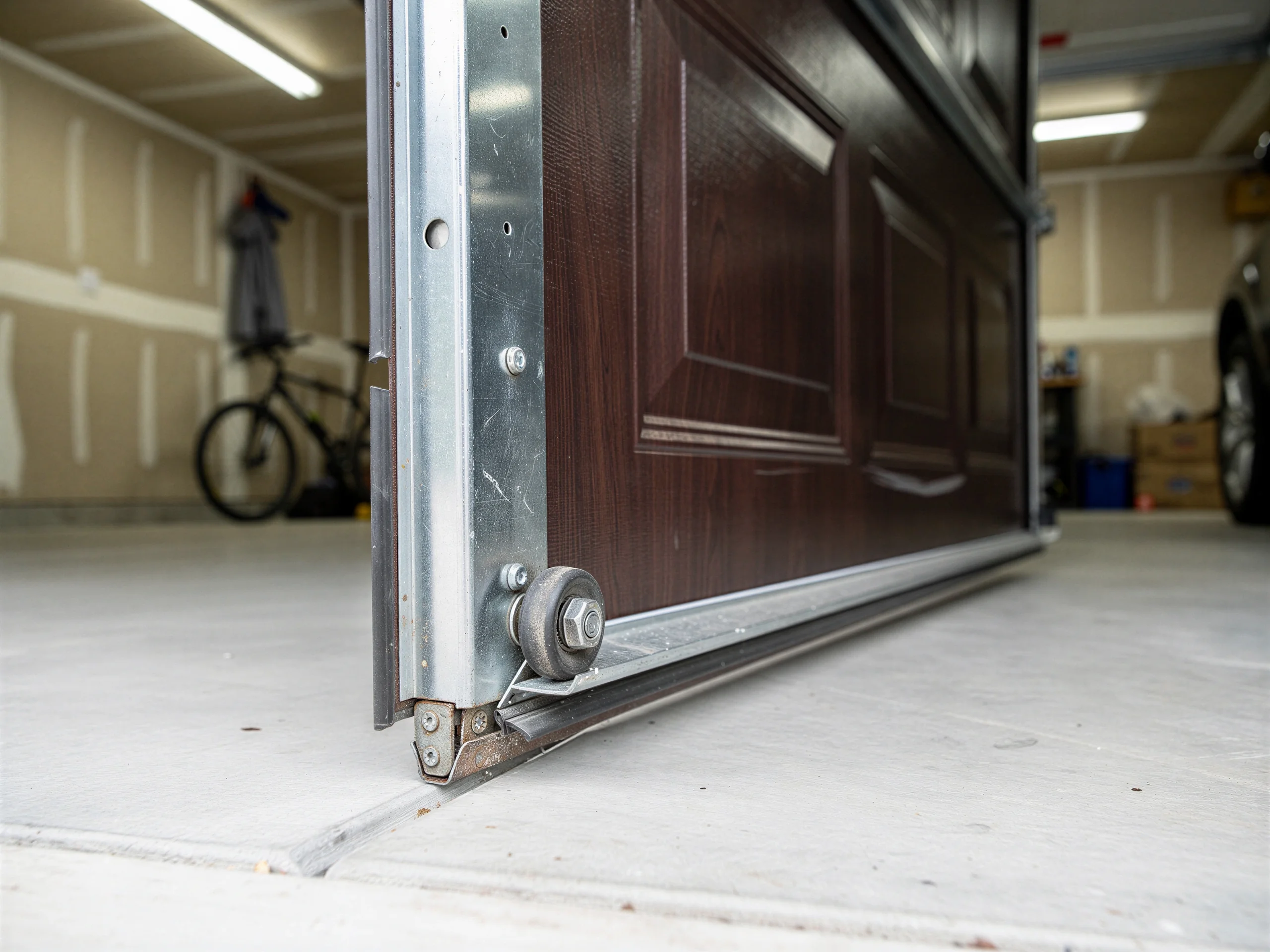
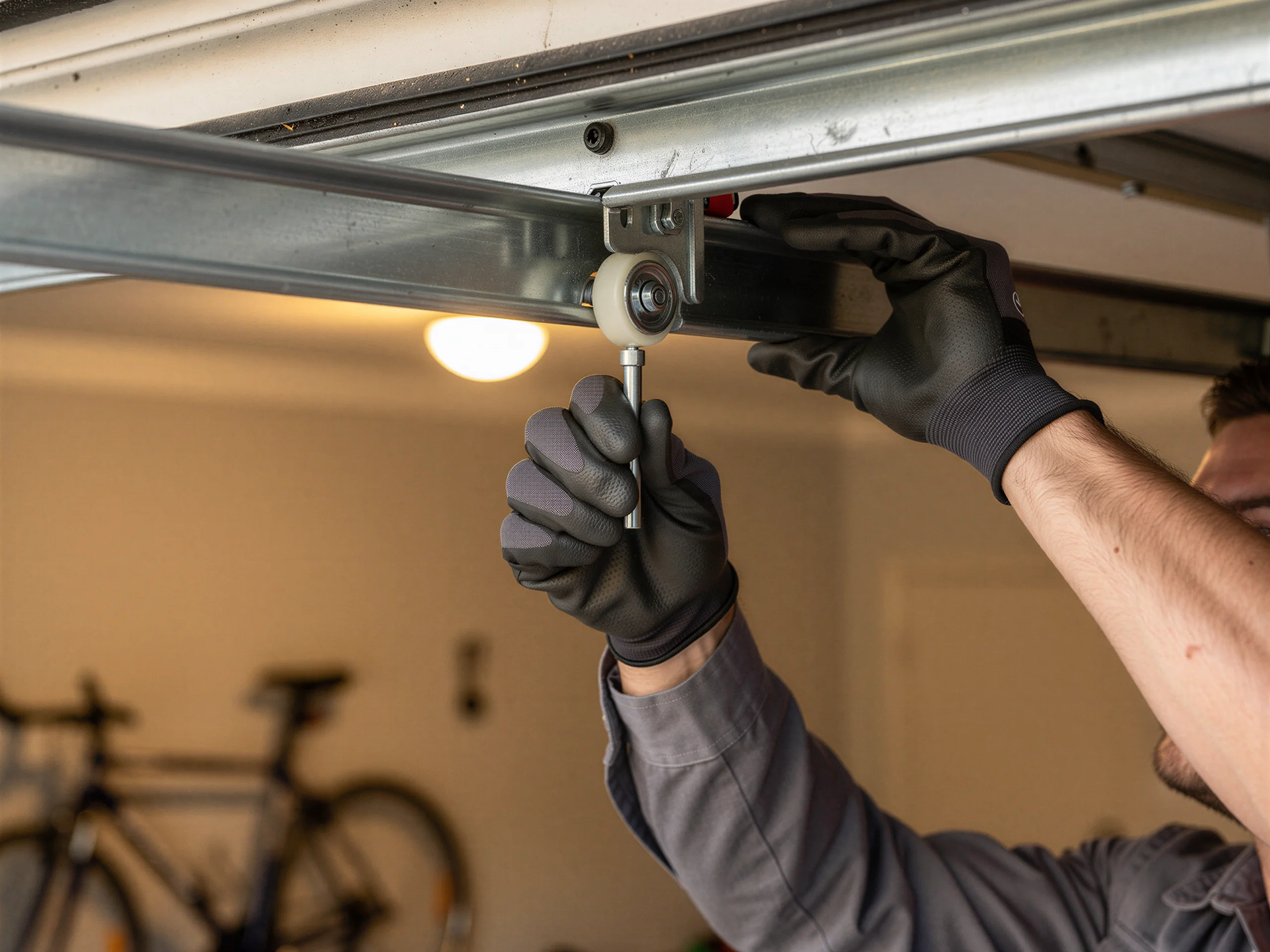
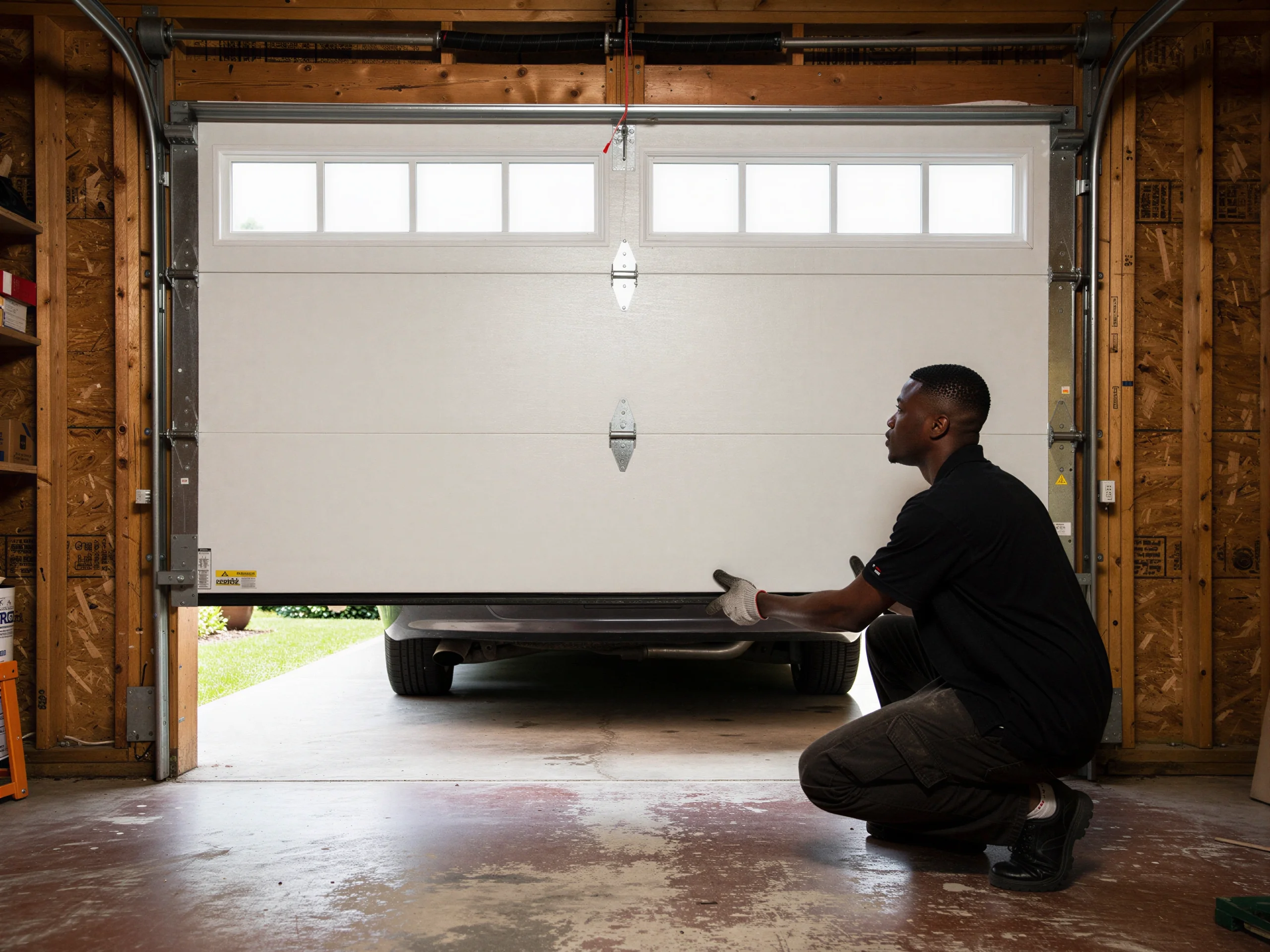
We see worn rollers and stretched cables on doors that have never been touched since installation, because nobody budgets for a part that isn't visibly broken yet. Steel panels from the early '90s also dent and rust at the bottom section faster than the rest of the door ages, which is a cosmetic problem until the track starts binding against a warped panel.
Partial fixes can mislead
One honest limitation: if a door from this era has an opener with a dead main board and a spring that's also gone, replacing just one part is often false economy - we'll tell you when a full door-and-opener swap costs less over time than chasing two failures separately.
What Causes It Around Here
The climate here is mild with occasional freezes rather than hard winters, but that swing still matters for 30-year-old hardware. Metal contracts in a cold snap and expands back out once temperatures climb, and that cycle fatigues a spring faster than steady heat alone would. Garage doors built in the early '90s weren't engineered with that freeze-thaw cycling as a design input the way current hardware is, so older springs and cable ends show their age here sooner than you'd expect in a milder, steadier climate. Lubrication also breaks down differently across that swing - grease that's fine in summer stiffens up enough in an occasional freeze to put extra load on a chain or belt drive. None of this is dramatic weather; it's the slow kind of wear that adds up over three decades without anyone noticing until the day the door won't move.
The Cost of This Job
We don't have a posted price list for this area and won't invent one here. What we can say is that West University Place's income profile runs well above the broader service area, and in practice that shows up in which jobs homeowners choose: more full door-and-opener replacements instead of patched repairs, and less tolerance for a door that technically works but looks or sounds wrong. A spring swap on an early-90s door is usually the smaller job; a full replacement of door, track, and opener becomes the bigger one once the hardware's original parts start failing together instead of one at a time. We'll always quote the repair first if it's the honest option, and tell you plainly when the parts and labor of patching an old setup start adding up to more than a new door would cost.
Talk to a local pro
Garage door service in Pasadena?
Same-day service with honest, upfront quotes.