Getting It Booked In
We run this job out of Pasadena, which puts West University Place about 17 miles out on the route. That distance doesn't change what we bring to the truck, but it does mean we're not swinging by on a whim - the visit gets scheduled, not improvised.
Lower volume, paired stops
With only 5,218 households in this suburb compared to the larger numbers we see closer to the shop, call volume here tends to be lower, so a West University Place stop often gets paired with other jobs already planned along that corridor rather than run as a one-off.
Brand, drive type, symptom
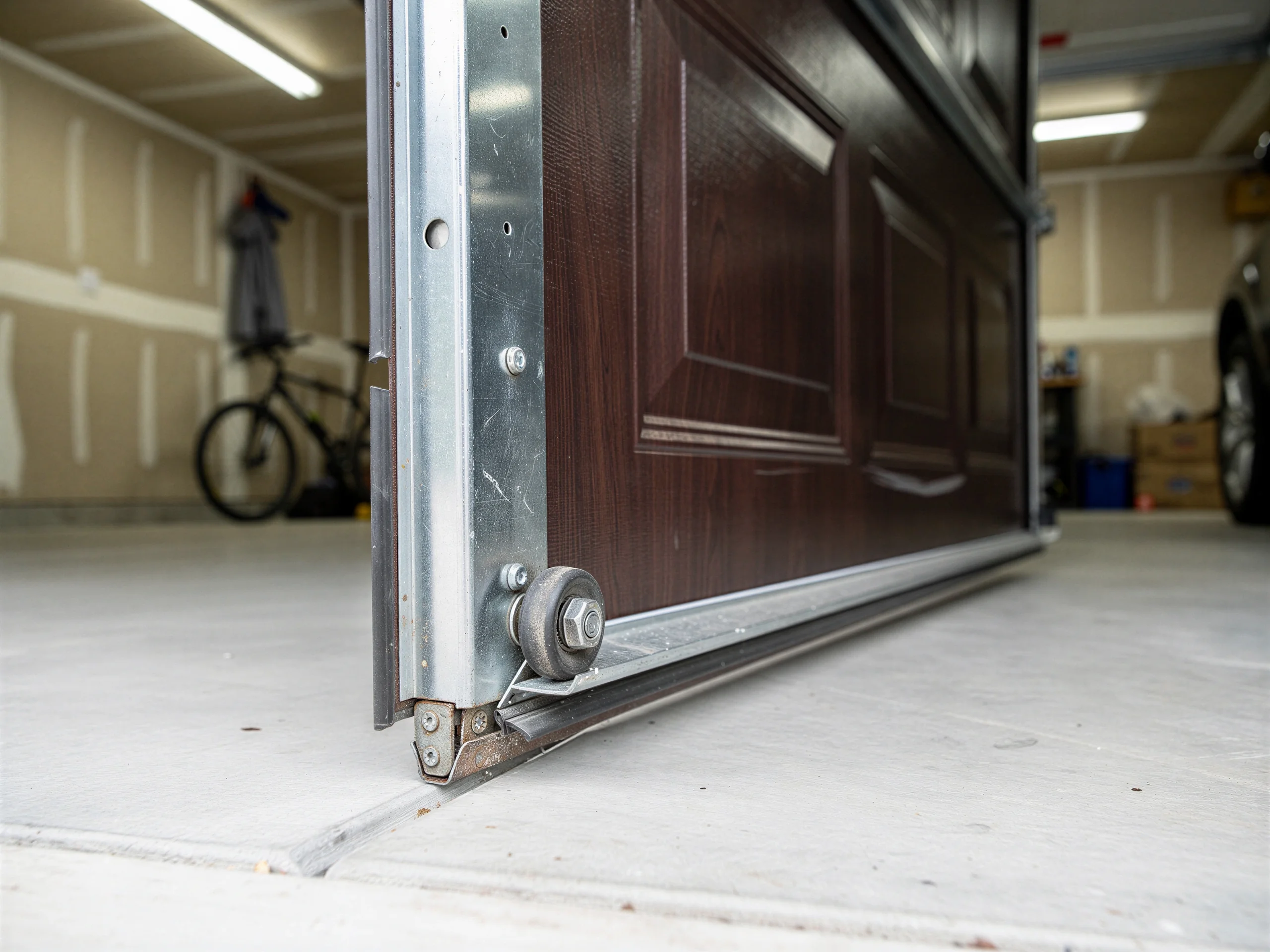
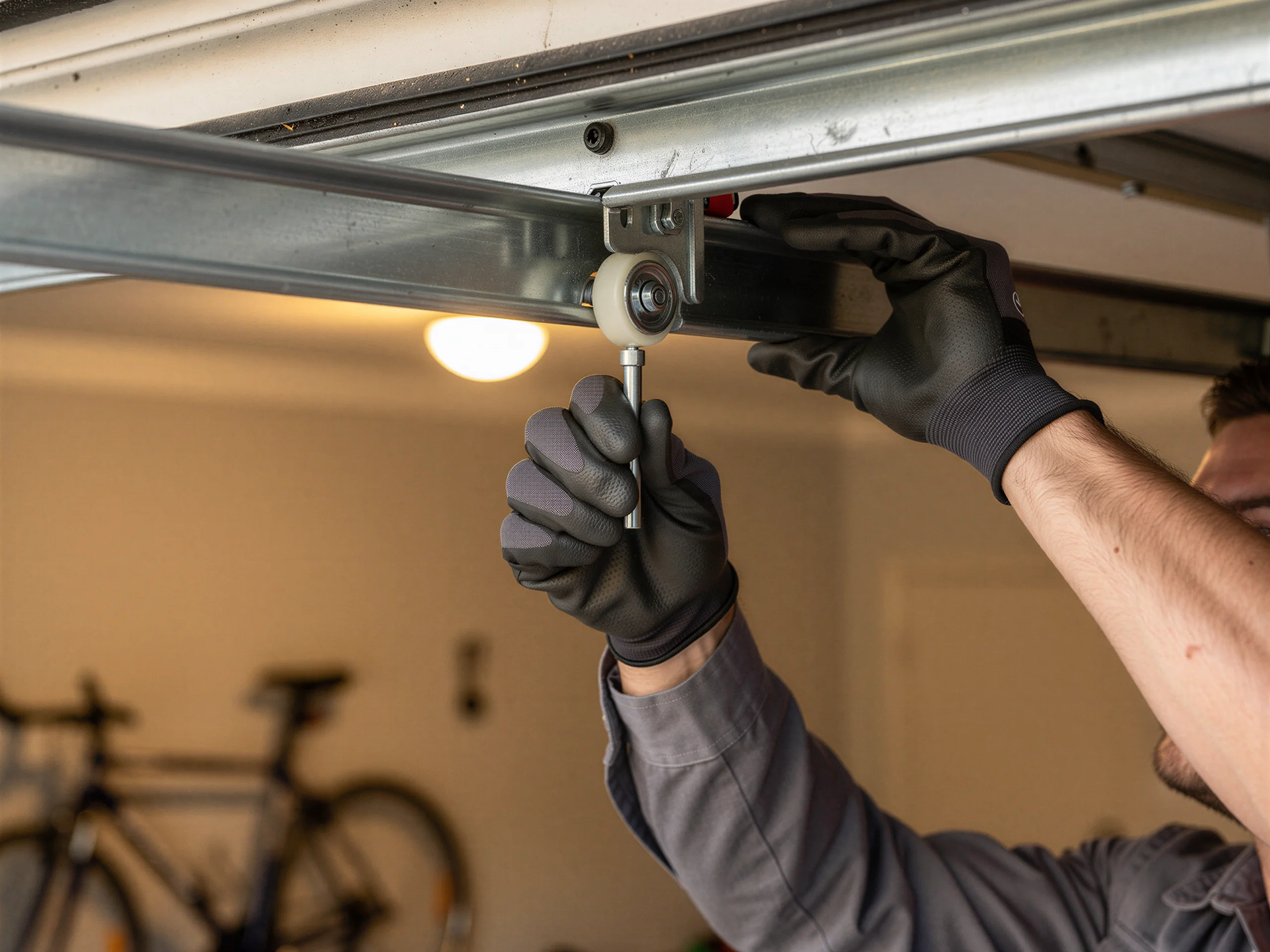
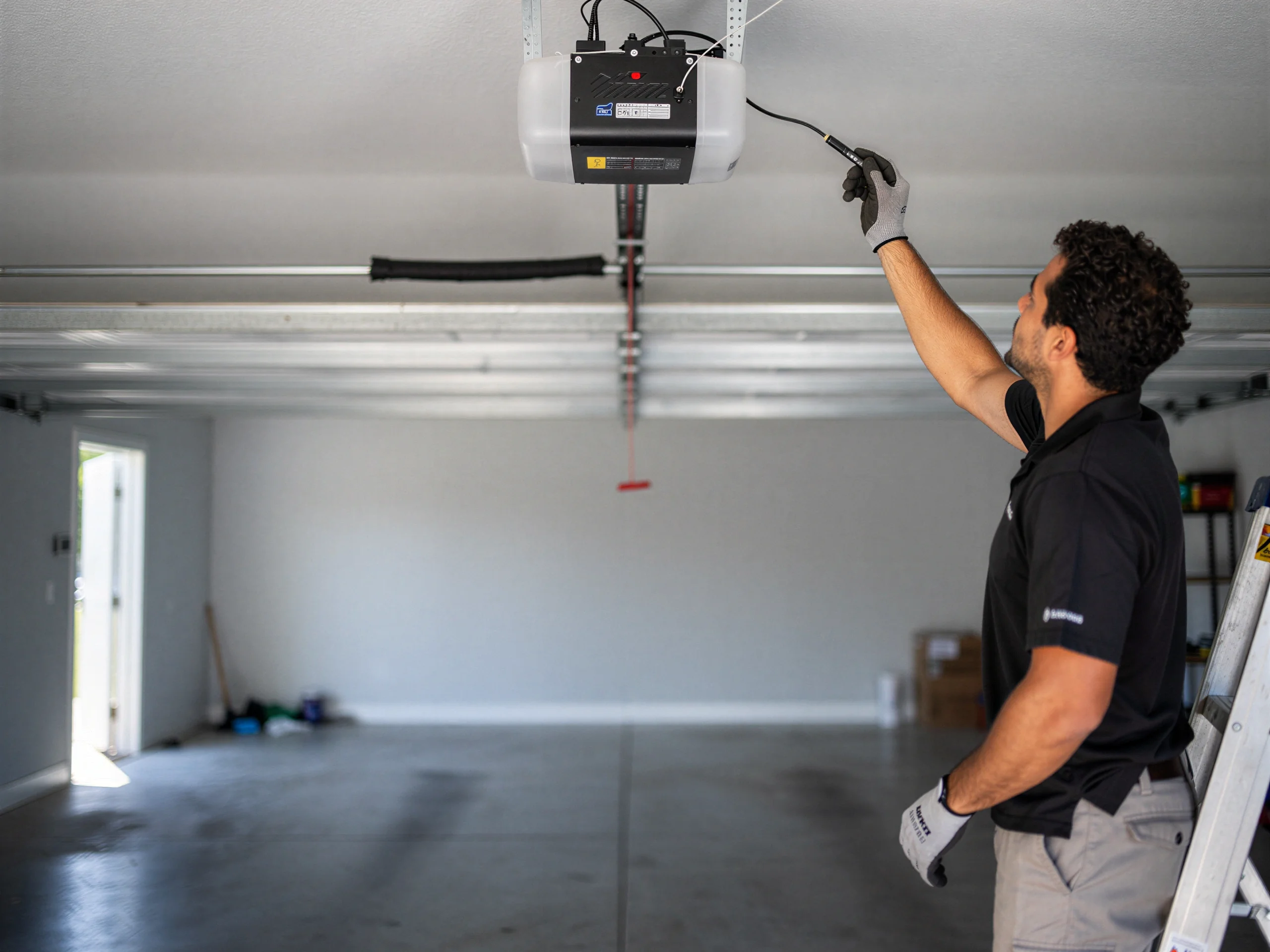
Tell us the opener brand if you know it, whether it's chain or belt, and whether the problem is the motor, the remote, or the safety sensors at the bottom of the track - that sorts out on the phone whether we're bringing a logic board, a full unit, or just a sensor kit.
No same-day promise
We don't keep a branch in West University Place itself, so same-day isn't something we promise here the way we might closer to home. If the job turns out to need a part we don't carry on the truck, we'll say so up front instead of guessing.
What Can Go Wrong
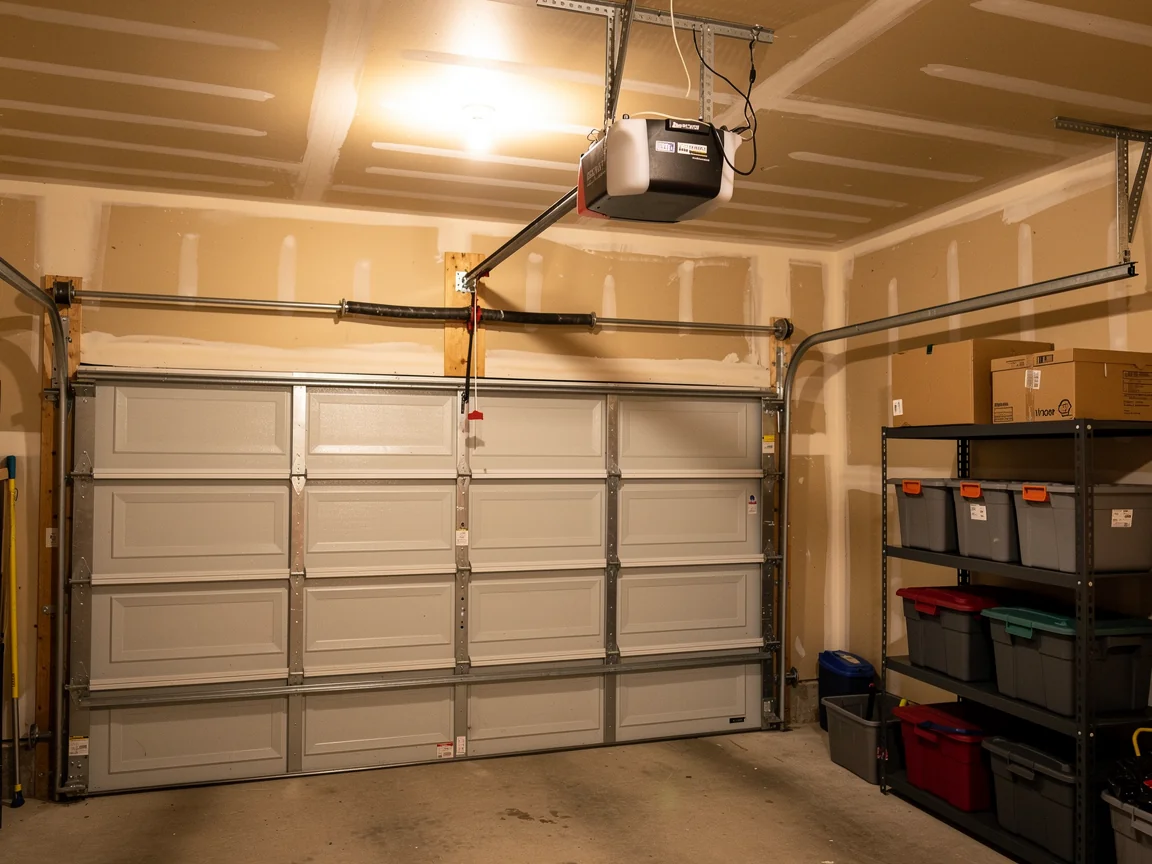
Houses in West University Place went up mostly around 1991, and a lot of original openers from that era are still hanging on, which means the failure point is usually the drive gear, the circuit board, or the safety reversal sensors - not the door itself.
Hums but trolley stalls
A stripped plastic gear inside the housing is common on a unit that's run 30-plus years without ever being serviced; the opener hums, the motor turns, but the trolley doesn't move.
Quiet board failure sequence
Circuit boards fail quieter: the remote stops working first, then the wall button, and eventually the whole unit won't respond at all. We also see misaligned or corroded photo-eye sensors causing an opener to reverse for no visible reason, which homeowners usually blame on the door when it's really a $20 sensor.
Unsourceable boards on old units
One limitation worth saying plainly: if the opener is original to a 1991 build and the logic board is dead, we often can't source an exact replacement board for a unit that old - at that point we're talking about swapping the whole opener, not patching the one you have.
What Causes It Around Here
This part of the Gulf Coast sits in a mild climate with occasional freeze swings, and that kind of temperature cycling is hard on the small components inside an opener housing - capacitors and circuit boards don't love going from humid warmth to a cold snap and back. On a home built in 1991, that's three decades of those cycles working on the same board. Add in that garages here often sit unconditioned, and heat buildup in summer accelerates the same wear. The other factor is simply age matched against income: West University Place carries a median household income over $250,000, well above the roughly $80,037 median across the wider service area, and homeowners here are more likely to replace a failing opener outright than keep nursing a stripped gear or a flickering sensor along for another year. That shows up in the jobs we get called for - fewer small sensor fixes, more full-unit swaps.
The Cost of This Job
We don't have a posted price list for opener repair in West University Place, and we're not going to guess at one here - what it costs depends on whether the fix is a sensor, a circuit board, a gear kit, or a full replacement unit, and that's a call we make after we've looked at it. What we can tell you is the direction most West University Place jobs go: given the age of openers tied to the 1991-era housing stock here, and given that most owners in this income bracket choose a new unit over a rebuilt one, full opener replacement comes up more often than a parts repair. If your opener is newer or was already replaced once, a targeted fix is still very much on the table - we're not going to sell you a new unit when a sensor realignment solves it.
Talk to a local pro
Garage door service in Pasadena?
Same-day service with honest, upfront quotes.